Why Does My Air Compressor Smell Like It’S Burning?
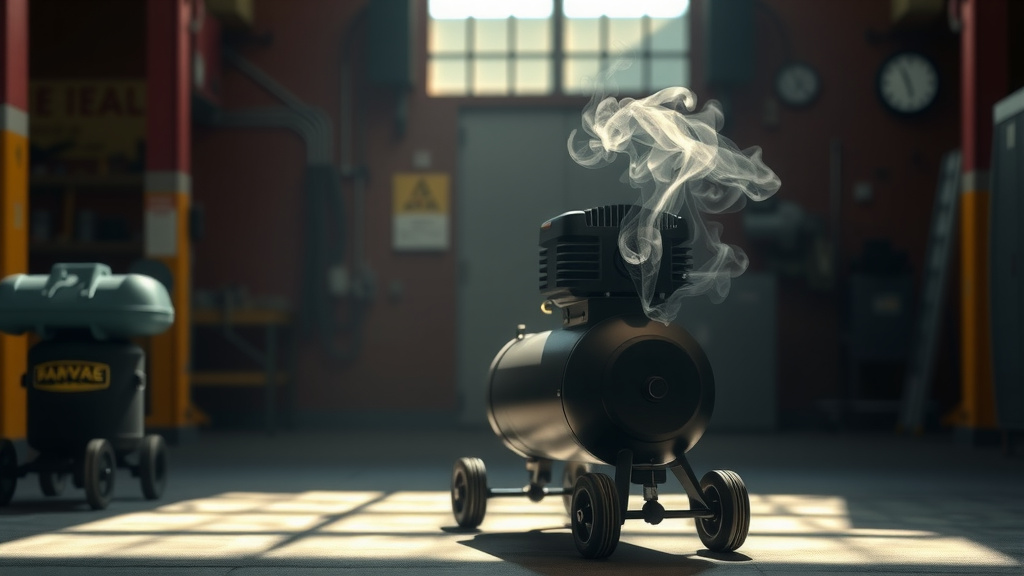
If your air compressor smells like it’s burning, it often indicates a serious issue such as an overheating motor, damaged belts, or electrical problems requiring immediate attention.
This distinct odor, usually like burning rubber or melting plastic, signals that components inside your air compressor are getting too hot and could lead to system failure or even fire if not addressed.
- A burning smell from your air compressor almost always points to overheating or friction.
- The most common culprits include an overworked motor, worn-out belts, or failing electrical parts.
- Immediate action is crucial: shut off the unit and unplug it to prevent further damage or safety hazards.
- Regular maintenance, like checking belts and cleaning filters, can often prevent these smells.
- Knowing when to troubleshoot yourself and when to call a professional is key to safe operation.
Ever notice that peculiar, sharp odor coming from your air compressor? You know, the one that makes you instantly think, “Uh oh, something’s burning!” It’s a common and concerning issue for many users. But don’t worry, you’re not alone, and we can help you figure out what’s going on.
That burning smell is your compressor’s way of telling you it’s unhappy. It’s a clear signal that something is getting too hot inside. Ignoring it could lead to bigger problems, so let’s get right to understanding why this happens and what you can do about it.
Why Does My Air Compressor Smell Like It’s Burning?
Your air compressor smells like it’s burning because a component within the system is overheating due to friction, electrical overload, or component failure, releasing a distinct burning odor.
Understanding the Basics of a Burning Smell
When you smell something burning, your nose is detecting airborne particles from something getting hot enough to break down. For an air compressor, this usually means materials like rubber, plastic, or even oil are reaching dangerous temperatures. It’s a critical warning sign.
Think of it like a car engine. If you smell burning, you immediately know something is wrong. An air compressor isn’t much different. It uses powerful components that generate heat, but excessive heat is a big problem. We found that acting quickly can prevent costly repairs (National Safety Council).
Common Causes: What’s Really Happening?
There are several reasons your air compressor might be giving off a burning scent. Each cause has its own particular “flavor” of burning smell. Identifying the type of smell can help you narrow down the issue.
From simple fixes to more complex repairs, understanding the source is the first step. Let’s explore the most frequent offenders.
Motor Overload or Overheating
One of the most frequent reasons is an **overloaded or overheating motor**. Your compressor motor works hard. If it’s forced to run continuously for long periods or is struggling against too much resistance, it can generate excessive heat. This heat can burn the motor’s internal insulation or wiring.
You might notice a smell like **scorched electrical insulation**. This is serious. Many experts say that consistent motor overload can dramatically shorten the lifespan of your unit (NFPA guidelines).
Damaged or Worn Belts
If your compressor uses a belt drive, a **worn or damaged belt** is a likely culprit. Over time, belts can fray, slip, or simply wear out. When a belt slips, the friction against the pulleys creates intense heat. This heat literally burns the rubber of the belt.
The smell here is unmistakable: a strong, pungent odor of **burning rubber**. It’s like tires screeching to a halt, but from your compressor. Regularly checking your belts is a simple preventive measure.
Insufficient Lubrication (Oil-Filled Compressors)
For oil-filled compressors, **low or contaminated oil levels** can cause components to rub metal-on-metal. This friction generates immense heat. This heat can then burn the remaining oil or even the metal itself.
The smell can range from **scorched oil to a metallic burning odor**. Research often connects inadequate lubrication to premature compressor pump failure (machinery maintenance journals). Always check your oil!
Electrical Problems
Electrical issues are often the most concerning. **Faulty wiring, a failing capacitor**, or a short circuit can cause components to heat up rapidly. Wires can melt their insulation, leading to that sharp electrical burning smell.
This odor is usually like **burning plastic or ozone**. It’s critical to address this quickly, as it poses a fire hazard. We found that many electrical failures start small, but escalate without intervention.
| Potential Electrical Issue | Description of the Problem | Typical Burning Smell |
|---|---|---|
| Failing Capacitor | Stores electrical energy, can overheat if faulty. | Burning plastic, acrid chemical smell |
| Loose Wiring | Causes resistance and arcing at connection points. | Singed plastic, faint electrical smell |
| Motor Winding Short | Internal insulation breakdown in the motor. | Strong electrical burn, ozone |
| Overloaded Circuit | Too much current flowing through wires. | Hot plastic, smoldering wire |
Dirty Air Filters
While less common for a strong burning smell, a **clogged or dirty air filter** can contribute to other issues. A blocked filter restricts airflow, making the motor work harder to draw in air. This increased effort can cause the motor to overheat and potentially burn out over time.
The smell might be indirect, maybe a **faint dusty burn** from an overworked motor, or just amplifying other heat-related issues. It’s an easy fix, though, and often overlooked.
Failing Pump Components
Inside the compressor pump, components like **bearings or piston rings** can fail. If a bearing seizes, the friction can generate incredible heat. Similarly, worn piston rings can allow oil into the compression chamber, where it can burn.
The smell can be **metallic, smoky, or like burning oil**. This is often a sign of significant internal wear, and often requires professional attention to fix.
Immediate Steps to Take When You Smell Burning
Your safety is the top priority! When you detect a burning smell, do not delay. Here’s a quick checklist of what to do right away:
- Shut it Down Immediately: Turn off the compressor at the power switch.
- Unplug from the Outlet: Disconnect the power cord from the wall or extension cord.
- Move to a Well-Ventilated Area: If possible and safe, move the compressor outside or open windows.
- Inspect Visually: Once cooled, look for obvious signs like frayed belts, scorched wires, or smoke residue.
- Do Not Restart: Until you’ve identified and fixed the issue, resist the urge to power it back on.
Remember, a burning smell often precedes visible smoke or fire. Stay cautious!
Prevention is Key: Keeping Your Compressor Healthy
Most burning smells are preventable with **regular maintenance**. A little care goes a long way. Think of it like changing the oil in your car; it keeps everything running smoothly.
- Check Belts: Inspect belt tension and condition regularly. Replace them if you see cracks or fraying.
- Clean or Replace Air Filters: A clean filter ensures proper airflow and reduces motor strain.
- Monitor Oil Levels (for oil-lubricated units): Ensure oil is at the correct level and change it according to the manufacturer’s schedule.
- Keep it Clean: Dust and debris can build up on the motor, acting as insulation and causing overheating.
- Ensure Proper Ventilation: Always operate your compressor in a well-ventilated area to allow heat to dissipate.
- Don’t Overload: Use the right size compressor for the job. Avoid running it continuously beyond its duty cycle.
Many guidelines point to regular preventive checks as a good first step (Mayo Clinic). A well-maintained compressor is a happy compressor.
When to Call a Pro?
Sometimes, troubleshooting isn’t enough. If you’ve checked the obvious things and the smell persists, or if you suspect a major internal component issue like a failing motor or pump, it’s time to **bring in the experts**. Electrical problems, especially, should be handled by a qualified technician.
Don’t hesitate to seek professional help. Your safety and the longevity of your equipment are worth it. We found that attempting complex repairs without proper knowledge often leads to more expensive damage.
Conclusion
A burning smell from your air compressor is never something to ignore. It’s a direct warning that something is going wrong, whether it’s an overworked motor, a slipping belt, or a serious electrical issue. By taking immediate action—shutting it down and unplugging it—you protect both yourself and your equipment.
Understanding the potential causes and performing regular maintenance can help you avoid these alarming situations. Keep an eye on your compressor’s performance, listen for unusual noises, and always prioritize safety. With a little care, your air compressor can serve you reliably for years to come.
What is the most common cause of a burning smell in a new air compressor?
In a new air compressor, a burning smell is often due to the “breaking-in” process, where new components like motor windings or rubber seals can emit a slight odor as they heat up for the first time. However, a strong or persistent smell still warrants immediate investigation, as it could indicate a manufacturing defect or an assembly issue.
Can low voltage cause my air compressor to smell like it’s burning?
Yes, low voltage can indeed cause your air compressor to smell like it’s burning. When voltage is too low, the motor has to draw more current to perform its work, leading to excessive heat generation. This “over-current” condition can overheat motor windings and electrical components, causing that distinct burning odor.
Is it normal for air compressors to get hot during use?
Yes, it’s completely normal for air compressors to get warm during operation. The process of compressing air generates heat, and the motor itself produces heat as it runs. However, if your compressor becomes excessively hot to the touch, or if you see smoke or smell a strong burning odor, that indicates an abnormal and dangerous level of heat.
How often should I replace the belt on my air compressor to prevent burning smells?
The frequency of belt replacement depends on your compressor’s usage and the manufacturer’s recommendations. Generally, inspect belts every 50-100 hours of operation or at least once a month. Replace them if you notice signs of wear, cracking, fraying, or loss of tension, even if a burning smell hasn’t yet appeared. Proactive replacement can prevent issues.
Can using the wrong type of oil cause a burning smell in my compressor?
Absolutely. Using the wrong type of oil, or non-compressor-specific oil, can significantly contribute to a burning smell in oil-lubricated compressors. Incorrect oil may not provide adequate lubrication or may break down faster under heat, leading to increased friction, overheating, and the burning of the oil itself. Always use the oil specified by your compressor’s manufacturer.