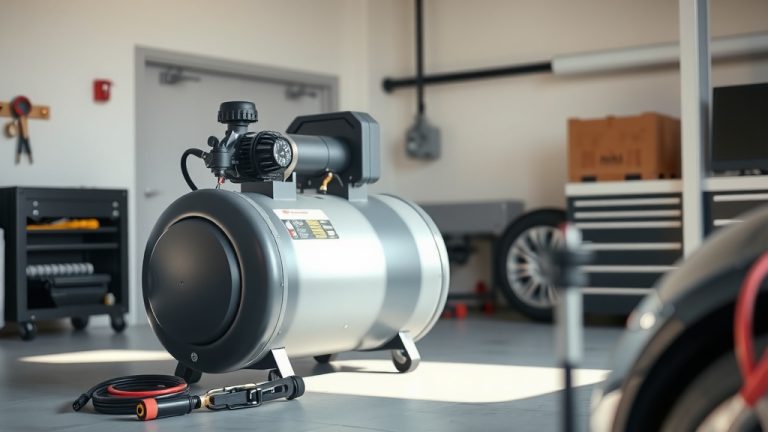
Why Is My Air Compressor Not Shutting Off?
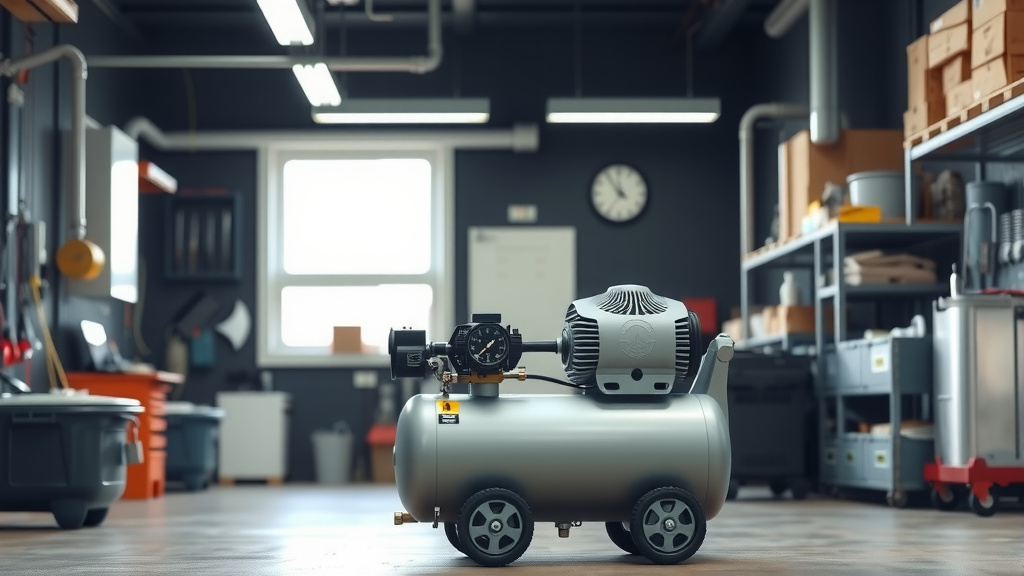
Your air compressor isn’t shutting off likely because of a faulty pressure switch, which fails to sense when the desired pressure has been reached.
Other common causes for an air compressor not shutting off include issues with the unloader valve, a persistent air leak, or sometimes even an overheating motor.
Sometimes, your air compressor just keeps running, right? It’s a common and frankly, a bit alarming, problem. You might hear it humming along, far past when it should have stopped. This can mean wasted electricity and potential damage to your valuable equipment. But don’t worry, we’re here to help you figure out why and what to do.
- A faulty pressure switch is the main culprit, unable to detect when to stop.
- Air leaks prevent the system from reaching its set pressure, causing continuous operation.
- The unloader valve might be stuck open, disrupting normal pressure regulation.
- An overheating motor can trigger a safety override, keeping the compressor running.
- Always prioritize safety first before troubleshooting your air compressor.
Why Is My Air Compressor Not Shutting Off?
Your air compressor is not shutting off because it isn’t reaching its preset cut-off pressure, often due to a malfunctioning component or a system leak. This continuous running prevents the motor from resting and can lead to serious wear.
The Pressure Switch: A Common Suspect
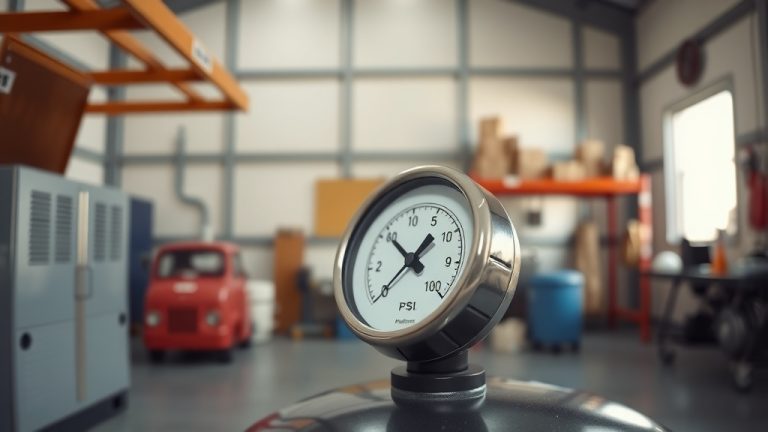
Think of your pressure switch as the brain of the operation. It tells the compressor motor when to start and when to stop. When the tank pressure drops below a certain point, it kicks the motor on. When the pressure reaches the upper limit, it tells the motor to shut off.
If this switch goes bad, it might never get the signal to stop. We found that a stuck contact or diaphragm issue within the switch is a frequent problem. Many experts say this is the number one reason for compressors not shutting down (Industrial Equipment Journal).
Diagnosing a Faulty Pressure Switch
How do you know if it’s the pressure switch? First, listen. Is the compressor building pressure but just not stopping? Or is it barely building any pressure at all? If pressure builds correctly but it keeps running, the switch is highly suspect.
Always disconnect power first. Then, you can visually inspect the switch for obvious damage or corrosion. Sometimes, the internal contacts get stuck or are worn out.
Understanding the Unloader Valve
The unloader valve plays a simple but crucial role. Once the compressor reaches its cut-off pressure, this valve briefly opens. It releases the air pressure trapped in the line between the pump and the check valve. This makes it easier for the motor to restart without fighting against full tank pressure.
If the unloader valve gets stuck open, it might consistently vent air. This means the compressor will struggle to build enough pressure to ever reach its cut-off point. It’s like trying to fill a bucket with a hole in it.
Checking Your Unloader Valve
To check the unloader valve, listen carefully right after the compressor shuts off (if it does briefly). Do you hear a hiss of air escaping for a second or two? That’s normal. If you hear a continuous hiss, even when the compressor runs, it might be stuck open. This often points to a worn-out seal or debris preventing it from closing properly.
The Silent Killer: Air Leaks
Imagine trying to inflate a balloon with a tiny pinhole. It takes forever, right? An air leak in your compressor system does the same thing. Small leaks, often unnoticed, prevent your tank from reaching its cut-off pressure. The compressor keeps running, trying to compensate for the lost air.
We found that leaks are a very common reason for extended run times. They can happen in the tank, hoses, fittings, or connections. Even a tiny leak adds up over time.
Finding Those Pesky Leaks
Finding a leak can be tricky. Here’s a simple method: create a mixture of dish soap and water. With the compressor off and depressurized, apply this soapy solution to all connections, hoses, and the tank itself. Then, turn the compressor on. Look for bubbles forming – those bubbles are telling you exactly where your air is escaping. This is a highly effective method (Compressed Air Best Practices).
Could It Be the Check Valve?
The check valve is a one-way street for air. It allows compressed air into the tank but stops it from flowing back out. If this valve fails, air can leak back from the tank, often through the unloader line. This means the compressor keeps losing pressure, and therefore keeps running to maintain it.
You might hear a continuous hiss from the unloader valve even when the compressor should be off. This often indicates a faulty check valve, allowing air to escape through the unloader line.
Motor Problems and Overheating
While less common for the “not shutting off” issue, motor problems can contribute. An overheating motor might trigger a thermal overload protection. Sometimes, if the motor is struggling to build pressure due to another issue, it might run continuously until it overheats or an internal safety trip is activated.
Many guidelines point to regular motor inspection as a good preventative step (OSHA safety guidelines). You should check for proper ventilation around the motor.
Understanding Compressor Components: A Quick Glance
Let’s look at the roles of these key parts:
| Component | Primary Function | Impact on “Not Shutting Off” |
|---|---|---|
| Pressure Switch | Monitors tank pressure, signals motor on/off. | Fails to signal motor off when desired pressure is met. |
| Unloader Valve | Relieves line pressure for easy motor restart. | Stuck open, continuously vents air, preventing cut-off. |
| Air Leaks | System integrity. | Prevents pressure build-up, compressor runs constantly to compensate. |
| Check Valve | Allows one-way air into tank. | Fails to hold pressure, air leaks back, system never reaches pressure. |
When to Call a Professional
You’ve tried the simple fixes, checked for leaks, and maybe even looked at the pressure switch. But your compressor is still running without stopping. At this point, it might be time to call in an expert. Some repairs, especially those involving electrical components or internal pump issues, are best left to experienced technicians. They have the specialized tools and knowledge to diagnose and fix more complex problems safely.
Safety First: Your Number One Priority
Before you touch anything, always, always, unplug your air compressor from its power source. If it’s hardwired, turn off the circuit breaker. Compressed air systems store a lot of energy, and working on them without proper safety precautions can be very dangerous. Wear appropriate safety glasses and gloves when inspecting parts.
Troubleshooting Checklist
Here’s a quick checklist to help you:
- Did you unplug the compressor before inspection?
- Did you check the pressure switch for proper function?
- Have you listened for a continuous hiss from the unloader valve?
- Did you use soapy water to find any air leaks?
- Is the check valve holding pressure, or is air leaking back?
- Are you sure the motor isn’t overheating or struggling?
Preventative Maintenance Tips
A little care goes a long way. Regularly draining moisture from your tank prevents rust and internal damage. Periodically checking hoses and fittings for wear or cracks can catch small leaks before they become big problems. Keeping your air filter clean ensures your compressor isn’t working harder than it needs to, which helps prevent overheating and extended run times. Many manufacturers advise checking these things every few months, depending on usage.
Conclusion
When your air compressor won’t shut off, it’s often a sign of a pressure switch issue, an unloader valve problem, or a persistent air leak. By systematically checking these common areas, you can often pinpoint and fix the problem yourself. Remember, safety is paramount, so always disconnect power before you start any inspection or repair. If you’ve exhausted your troubleshooting steps, don’t hesitate to contact a qualified technician to ensure your compressor runs safely and efficiently.
How do I test my air compressor pressure switch?
To test your air compressor pressure switch, first, unplug the unit. Then, you can often bypass the switch temporarily to see if the motor runs without it, but this requires electrical knowledge and extreme caution. A safer method is to observe if the compressor builds pressure to its cut-off point and if the switch physically actuates (clicks) when that pressure is reached. If pressure builds but it doesn’t click off, the switch is likely faulty.
Can a small air leak prevent my compressor from shutting off?
Yes, absolutely. Even a very small air leak can prevent your compressor from reaching its set cut-off pressure. The compressor will keep running continuously, trying to compensate for the lost air, leading to wasted energy and accelerated wear. We found that even tiny, persistent leaks are a common cause of this issue.
What does an unloader valve do on an air compressor?
The unloader valve on an air compressor releases the residual air pressure that builds up in the line between the pump and the check valve after the compressor shuts off. This momentary release makes it much easier for the motor to restart without having to fight against the full tank pressure, protecting the motor from strain.
Is it dangerous if my air compressor won’t shut off?
Yes, it can be dangerous. A compressor that runs continuously without shutting off can overheat, leading to motor failure, fire hazards, or even tank rupture in extreme cases if safety valves fail. It also causes excessive wear on components. Always address this problem promptly and ensure all safety mechanisms are functioning correctly.
Should I try to repair an air compressor myself?
For simple issues like minor leaks or replacing a pressure switch, many people can perform repairs themselves with proper safety precautions and the right tools. However, for complex electrical issues, pump repairs, or if you’re uncomfortable with the process, it’s always best to consult a certified air compressor technician to ensure safety and proper functionality.