
What Causes Air Compressor To Fail?
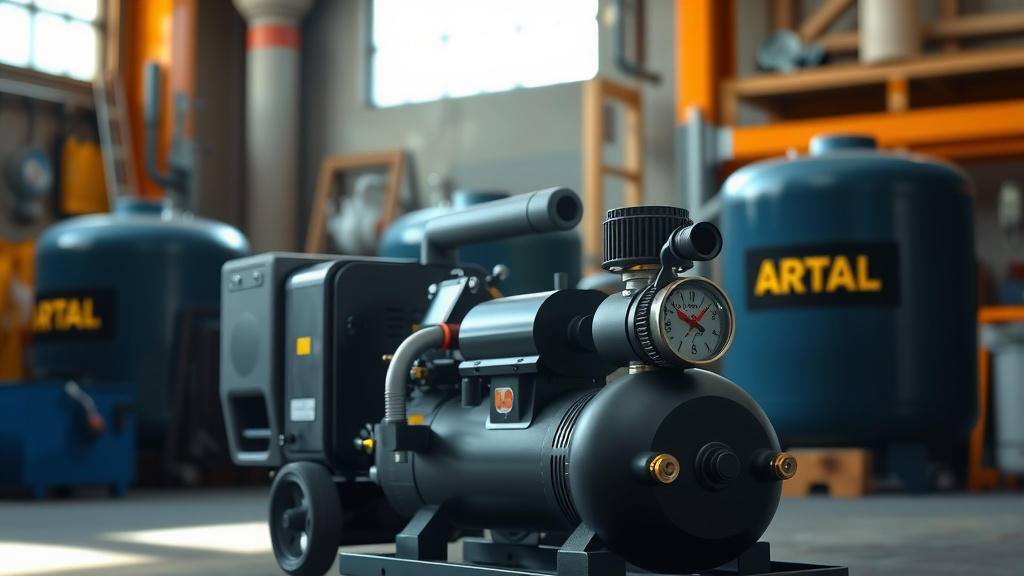
Air compressor failures often stem from a few core issues like poor maintenance, overheating, electrical problems, or internal component wear. Understanding these common culprits helps you prevent unexpected breakdowns and keep your system running smoothly.
Many compressor breakdowns can be traced back to neglected components such as dirty air filters, low oil levels, or faulty pressure switches. Regular inspections and timely repairs are crucial for a healthy air compressor system.
TL;DR: Quick Compressor Failure Fixes
- Most air compressor issues arise from lack of regular maintenance and inspections.
- Overheating is a common enemy, often due to low oil or poor ventilation.
- Electrical problems, like motor failure or bad wiring, can shut down your unit fast.
- Worn-out parts, such as bearings, valves, or belts, cause gradual performance drops.
- Preventative care, like checking oil and filters, is your best defense against unexpected downtime.
What Causes Air Compressor To Fail?
Air compressors often fail because of simple, preventable issues like poor maintenance or overheating. Keeping an eye on your unit and doing regular check-ups can prevent most breakdowns.
When your air compressor stops working, it can feel frustrating, right? You rely on it for so many tasks, from powering tools to inflating tires. Many people wonder why their trusty machine suddenly quits. Let’s look at the main reasons these essential pieces of equipment stop doing their job, so you can keep yours running longer. We’ll break down the common culprits and discuss how to keep your compressor happy.
The Silent Killer: Lack of Maintenance
Perhaps the biggest reason for air compressor failure is neglected maintenance. Think of your compressor like a car; it needs regular tune-ups. Skipping oil changes or filter replacements can lead to major problems down the road. It’s easy to forget these simple tasks, but they truly are the lifesavers for your machine.
Dirty Air Filters Block the Breath
Imagine trying to run a marathon while breathing through a clogged mask. That’s how your compressor feels with a dirty air filter. These filters keep dust and debris out of the internal parts. When they get clogged, your compressor has to work much harder, leading to overheating and premature wear (Research often links clogged filters to reduced efficiency (Industrial Compressor Research)).
Low Oil Levels Lead to Friction
Just like your car engine, an air compressor needs enough oil to lubricate moving parts. Low oil levels create excessive friction and heat, which can quickly damage pistons, bearings, and cylinders. Many experts say checking your oil regularly is one of the easiest ways to extend compressor life.
The Heat is On: Overheating Issues
Overheating is a serious problem for air compressors. It often shortens the lifespan of components and can cause sudden shutdowns. When your unit gets too hot, it struggles to perform its job. This can be due to a few different factors you might overlook.
Poor Ventilation Can Suffocate Your Compressor
Does your compressor live in a tiny, cramped closet? That might be why it’s getting too hot. Air compressors need space to breathe. Proper ventilation allows heat to escape, keeping the internal temperature in check. We found that giving your compressor some breathing room can make a world of difference.
Continuous Running Wears it Out
Running your compressor non-stop, without breaks, is like asking yourself to run a marathon every single day. Eventually, you’d crash! Continuous operation generates a lot of heat and puts immense stress on the motor and pump. Allowing your unit to rest helps it cool down and reduces wear.
Electrical Gremlins: Power and Motor Problems
Many times, the problem isn’t with the air compression itself, but with the electrical system powering it. These issues can be trickier to diagnose but are just as important.
Motor Burnout Brings Everything to a Halt
The motor is the heart of your air compressor. If it burns out, everything stops. This can happen due to overheating, voltage fluctuations, or constant overloading. A failing motor often makes unusual noises or smells before it completely gives up. If you hear a strange humming or smell burning, it’s time to investigate.
Faulty Pressure Switches Cause Headaches
The pressure switch tells your compressor when to turn on and off based on air pressure. A faulty switch can cause erratic behavior, like the compressor running continuously or not turning on at all. It’s a small but mighty component that controls the entire operation.
Wear and Tear: The Inevitable Breakdown
Even with perfect maintenance, parts wear out over time. It’s just the nature of machines. Understanding which parts commonly fail can help you anticipate repairs.
| Common Worn Part | What It Does | Failure Sign |
|---|---|---|
| Piston Rings | Seals piston, maintains pressure. | Reduced air pressure, slow tank fill. |
| Bearings | Reduces friction in moving parts. | Loud grinding or squealing noises. |
| Valves (Inlet/Outlet) | Controls air flow into and out of pump. | Loss of pressure, compressor runs constantly. |
| Belts | Transfers power from motor to pump. | Squealing, slipping, reduced performance. |
This table offers a quick guide to some common wear and tear points. Keeping an eye (and ear!) out for these signs can save you from a complete breakdown.
Leakage and Pressure Problems
If your compressor is running constantly but not building enough pressure, you might have a leak. These can be sneaky and hard to find.
Air Leaks Waste Energy and Pressure
Imagine trying to fill a bucket with a hole in it. That’s what an air leak does to your compressor. Leaks in hoses, fittings, or connections force your compressor to work harder and longer. This wastes energy and reduces the usable air pressure. Sometimes, you can hear a hiss; other times, you might need a soapy water test.
Pressure Relief Valve Malfunctions
The pressure relief valve is a safety device. It opens if the pressure gets too high, preventing dangerous over-pressurization. If this valve malfunctions and sticks open, your compressor will struggle to build pressure (Many guidelines point to regular testing of safety valves (OSHA)).
Moisture Mayhem: Water Damage
Water in your air lines and tank is a big problem. Air contains moisture, and as it’s compressed, that moisture turns into liquid water. If not managed, it can cause rust and damage.
Water in the Tank Causes Rust
Leaving water in the tank can lead to internal rust and corrosion. This weakens the tank over time, which can be very dangerous. Draining your tank regularly is a simple but vital step. We found that many users forget this critical maintenance task.
Damaged Air Lines and Tools
Moisture can also cause rust and damage to your air lines and the tools you connect. This leads to inefficient operation and costly repairs down the line. A good air dryer or water trap can help mitigate this problem.
Checklist: Keep Your Compressor Healthy
Want to prevent those frustrating failures? Here’s a quick checklist to keep your air compressor in top shape:
- Regularly check and replace air filters.
- Always maintain proper oil levels and change it as recommended.
- Ensure your compressor has adequate ventilation.
- Drain the air tank daily to prevent rust.
- Inspect hoses and fittings for any signs of air leaks.
- Listen for unusual noises; they are often early warning signs.
Conclusion
Understanding what causes air compressor failure isn’t just about fixing problems; it’s about preventing them from happening. By paying attention to regular maintenance, managing heat, checking electrical components, and being aware of wear and tear, you can extend the life of your compressor significantly. Your diligence today can save you time, money, and headaches tomorrow. So, give your compressor the care it deserves!
Frequently Asked Questions About Air Compressor Failure
How often should I drain my air compressor tank?
You should drain your air compressor tank daily or after each use, especially if you live in a humid climate. This prevents moisture buildup and rust, which can severely damage the tank’s integrity over time.
What are the signs of a failing air compressor motor?
Signs of a failing motor often include unusual noises like grinding or humming, a burning smell, excessive heat from the motor housing, or the compressor struggling to start or maintain pressure. Immediate investigation can prevent a complete breakdown.
Can I use any type of oil in my air compressor?
No, you should only use oil specifically designed for air compressors, as recommended by your manufacturer. Using automotive oil or other lubricants can cause carbon buildup, damage components, and void your warranty (Manufacturers’ guidelines consistently specify compressor-specific oil).
Why is my air compressor constantly running and not shutting off?
A compressor that runs constantly without shutting off usually indicates an air leak somewhere in the system (hoses, fittings, or tank) or a faulty pressure switch. The compressor keeps trying to reach its set pressure but can’t due to the leak or miscommunication from the switch.
Is it normal for water to come out of my air tools?
No, it’s not normal for water to consistently come out of your air tools. This indicates excessive moisture in your air lines, often due to not draining the tank regularly or lacking a proper air dryer/water separator. This can damage your tools and cause rust.
