
Is An Air Compressor A Pump?
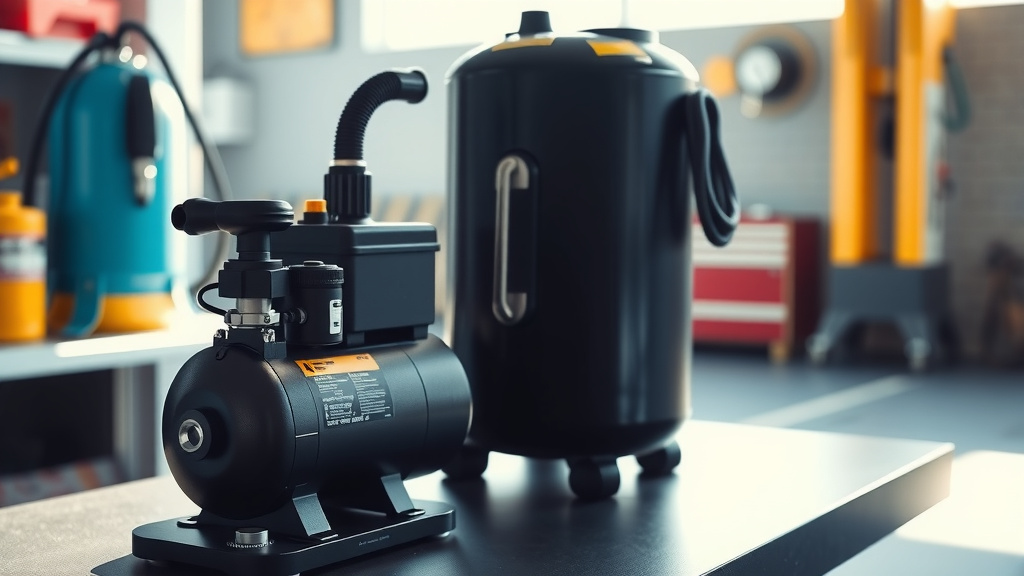
An air compressor is not a pump in the traditional sense, though both devices move substances. While a pump moves liquids or gases through a system, an air compressor specifically focuses on increasing the pressure of air.
Think of it this way: a pump is about transfer, but an air compressor is about force and storage. It squeezes air into a smaller volume, creating potential energy.
-
An air compressor pressurizes air, while a pump moves liquids or gases without always significantly increasing their pressure.
-
Air compressors store energy in compressed air for various tools and applications.
-
Pumps typically transfer fluids from one point to another, like water from a well.
-
While both involve fluid dynamics, their primary functions and how they achieve them are distinct.
Have you ever looked at an air compressor and wondered what makes it tick? Perhaps you’ve seen a water pump and thought, “Are these two things related?” It’s a common question, and you’re not alone in puzzling over it. Let’s break down the differences and help you understand each machine better.
Is An Air Compressor A Pump?
No, an air compressor is not a pump, despite some functional similarities. A pump primarily moves liquids or gases, whereas an air compressor specifically pressurizes air.
You might use a pump to get water from a basement after a flood. On the other hand, an air compressor helps you inflate your tires or power impact wrenches. Their core jobs are quite different, even if both manipulate fluids.
Understanding What an Air Compressor Does
An air compressor is a powerhouse for many projects. It takes in ambient air, then compresses it into a smaller volume. This process increases the air’s pressure dramatically.
Think of blowing up a balloon. The air inside becomes pressurized. An air compressor does this on a much larger, more powerful scale. It then stores this high-pressure air in a tank.
This stored energy can then be released to power tools or perform tasks. It’s like charging a battery, but with air! Many experts confirm that this energy conversion is a key difference.
How Air is Pressurized
So, how does an air compressor achieve this magic? Most models use one of two main methods. Piston compressors use a reciprocating piston to squeeze air.
Rotary screw compressors use two interlocking helical rotors. Both methods reduce the volume of air, thereby increasing its kinetic energy. We found this process is essential for creating usable power.
Understanding What a Pump Does
Now, let’s talk about pumps. Their job is simpler in concept: they move a fluid. This fluid can be a liquid, like water or oil, or even a gas. They create a flow.
Imagine a well pump bringing water to your home. Or a heart pump circulating blood through your body. Pumps transfer fluids, typically without a primary goal of extreme pressure increase for storage.
They might generate some pressure to overcome resistance. However, their main function is displacement and transport. Many guidelines point to this fluid transfer as their defining characteristic (National Institutes of Health).
Types of Pumps You Might Encounter
Pumps come in many shapes and sizes, each designed for a specific task. You have submersible pumps, centrifugal pumps, and diaphragm pumps, to name a few. Each type excels at moving different fluids or handling various flow rates.
For instance, a sump pump moves water away from your basement. A fuel pump moves gasoline to your car’s engine. We found that the common thread is always fluid movement, not just compression.
Air Compressor vs. Pump: Key Distinctions
Let’s lay out the key differences clearly. It helps to visualize them side-by-side. An air compressor is like a power generator for air tools. A pump is more like a delivery service for fluids.
One builds up a powerful reserve, the other ensures a steady flow. You wouldn’t use a water pump to power a nail gun, would you? That thought alone highlights their distinct purposes.
| Feature | Air Compressor | Pump |
|---|---|---|
| Primary Function | Pressurizes and stores air | Moves liquids or gases |
| Output Medium | Compressed air | Liquid (e.g., water, oil) or gas |
| Energy Storage | Yes (in compressed air) | No (primarily kinetic energy of flow) |
| Typical Applications | Powering air tools, tire inflation, painting | Water supply, drainage, chemical transfer |
| Key Characteristic | High pressure generation | Fluid displacement |
When Does the Distinction Matter to You?
Understanding this difference is really important when buying equipment. You wouldn’t want to buy the wrong tool for your project, right? Choosing correctly saves you time, money, and frustration.
If you need to power pneumatic tools, you need an air compressor. If you need to drain a flooded area, you need a pump. Knowing the distinction helps you make informed decisions every time.
Choosing the Right Tool for the Job
Imagine you’re painting your fence with a spray gun. You’ll need compressed air, meaning an air compressor. If you’re irrigating your garden, you’ll need a water pump.
It sounds obvious when stated plainly, yet the terms can be confusing. We always recommend clarifying your exact need first. Matching the tool to the task ensures efficiency and safety.
Can a Pump Act Like an Air Compressor?
This is where things get a little tricky. Some specialized pumps, particularly those designed for gases, can increase pressure. However, they typically don’t store that pressure in a tank like an air compressor does.
Their design focuses on moving the gas through a system. They might increase the gas’s pressure in the process. But the primary goal remains flow, not stored, usable energy (Fluid Power Association).
The Role of Vacuum Pumps
What about vacuum pumps? They do the opposite of an air compressor, right? A vacuum pump removes air or gas from an enclosed space. This creates a partial vacuum, or reduced pressure.
While they manipulate air pressure, their function is to *remove* rather than *compress and store*. This is another example of a machine with a distinct air-related function.
Here’s a quick checklist to help you decide:
- Do you need to power air-driven tools?
- Are you looking to inflate something quickly?
- Will you need stored, high-pressure air?
- Is your main goal to move a liquid or gas from one place to another?
- Do you need to increase the pressure of air to generate force?
- Is consistent flow more important than extreme pressure?
Looking at the Bigger Picture
Both air compressors and pumps are vital machines in our modern world. They serve countless purposes in homes, industries, and even in our bodies. You interact with their effects daily.
Understanding their differences isn’t just academic. It gives you a better grasp of the technology around you. It helps you become a smarter consumer and DIY enthusiast.
We found that people who grasp these basic mechanical distinctions often make better purchases. You’ll avoid potential pitfalls and get the equipment that truly helps you. Isn’t that what you want?
Conclusion
So, is an air compressor a pump? The clear answer is no. While both deal with fluid dynamics, an air compressor’s main purpose is to pressurize and store air for power applications. A pump’s primary role is to move liquids or gases from one location to another.
Thinking about them as distinct tools for distinct jobs will serve you well. Knowing the difference ensures you select the correct equipment for your needs. It helps you understand the underlying mechanics that make our modern world run.
Can an air compressor move water?
No, an air compressor is not designed to move water directly. While some specialized air systems might use compressed air to push water out of tanks, the compressor itself doesn’t pump water. Its function is to create pressurized air.
What is the main difference between air flow and air pressure?
Air flow refers to the volume of air moving over a period, often measured in Cubic Feet per Minute (CFM). Air pressure is the force exerted by the air, typically measured in Pounds per Square Inch (PSI). An air compressor creates high pressure, which can then be used to generate specific air flow for tools.
Are vacuum pumps considered a type of air compressor?
No, vacuum pumps are not considered a type of air compressor. They work in opposition. An air compressor increases air pressure, while a vacuum pump reduces air pressure to create a partial or full vacuum by removing air from an enclosed space.
Why do some people confuse compressors and pumps?
People often confuse them because both machines interact with fluids (air is a fluid) and involve pressure changes. Both have motors and can be noisy. The distinction lies in their primary goal: compression and storage for air compressors, versus movement and displacement for pumps.
Can I use an air compressor for inflating pool toys?
Yes, you can use an air compressor to inflate pool toys, but with caution. You’ll need an appropriate inflation nozzle and must carefully monitor the pressure to avoid over-inflating and damaging the toy. Many smaller, dedicated inflators are designed specifically for this task, offering more control.
