
What Causes An Air Compressor To Lock Up?
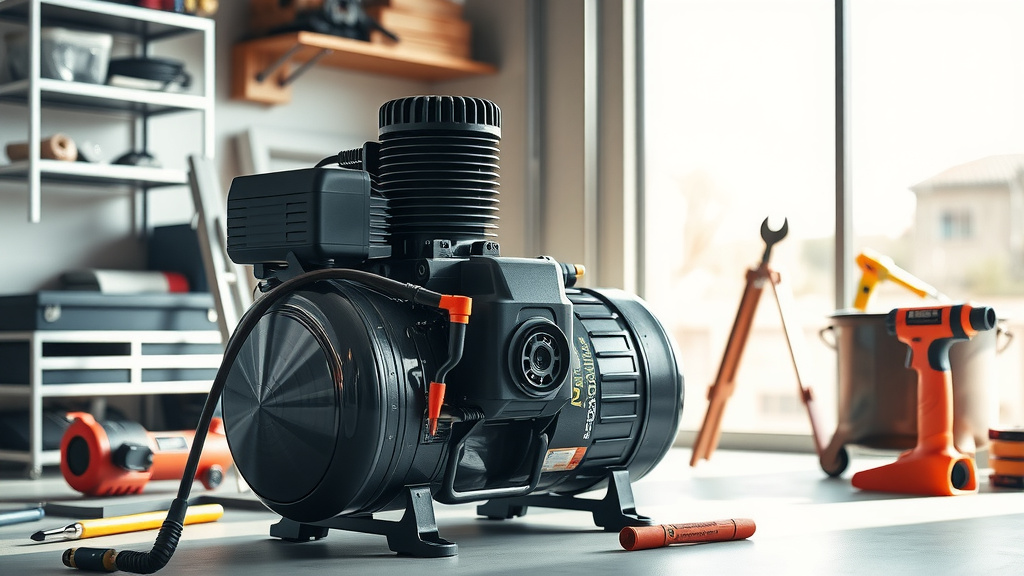
An air compressor can lock up primarily due to mechanical binding from a lack of lubrication, component wear, or electrical issues. This often means something inside prevents the motor from turning freely.
When your air compressor won’t start and feels seized, it’s usually a sign of serious internal friction, overheating, or a problem with the motor itself.
- A locked-up air compressor typically points to a severe internal issue.
- Lack of proper lubrication is a very common culprit, causing parts to seize.
- Overheating can damage components and lead to the compressor locking up.
- Electrical problems, like a faulty motor, might also prevent it from starting.
- Regular maintenance is your best defense against such frustrating breakdowns.
What Causes An Air Compressor To Lock Up?
An air compressor locks up because an internal mechanical part seizes or the motor cannot turn. This often signals a significant problem with your unit’s inner workings.
Understanding the Basics of Your Air Compressor
Your air compressor is a hardworking machine. It takes air from the outside and compresses it, storing it under pressure. Think of it as a strong heart for your tools.
It has many moving parts that must work together smoothly. When one part struggles, the whole system can stop. This is often what happens when it locks up.
The Role of Lubrication
Just like your car engine, an air compressor needs oil. This oil reduces friction between moving metal parts. Without enough oil, or with bad oil, parts will rub harshly.
When metal grinds against metal, heat builds up fast. This friction can cause components to weld together or simply get stuck. A well-lubricated system is a happy system.
Common Reasons Your Compressor Locks Up
There are several specific reasons an air compressor might seize. Many of these issues connect back to friction and heat. Let’s look at the most frequent culprits.
Insufficient Oil Levels
Running your compressor with low oil is asking for trouble. Without proper lubrication, pistons and cylinders can overheat. This causes them to expand and bind.
The motor then tries to turn these stuck parts but can’t. This leads to the compressor locking up. Always check your oil levels regularly, we found this to be a key preventative step.
Contaminated Oil
Oil can get dirty over time. Dust, moisture, and metal shavings can mix with it. This dirty oil loses its ability to lubricate effectively.
Instead of helping parts glide, contaminated oil creates grit. This grit acts like sandpaper, causing wear and friction. Many experts say replacing your oil on schedule is vital (Air Compressor Manufacturer Guidelines).
Overheating Issues
An air compressor can get too hot for several reasons. Poor ventilation around the unit is one common cause. Working it too hard for too long also generates excess heat.
When temperatures rise too high, metal components expand. This expansion can cause parts to fit too tightly. The result is often a complete lock-up of the system.
| Cause of Lock-Up | Common Symptoms | Potential Solution |
|---|---|---|
| Low Oil Level | Grinding noises, unit struggles to start | Add correct oil, check for leaks |
| Contaminated Oil | Dark, thick oil; reduced performance | Change oil and filter |
| Overheating | Hot to the touch, thermal overload trips | Improve ventilation, reduce duty cycle |
| Motor Failure | Humming sound but no movement | Professional motor inspection/repair |
| Bearing Failure | Loud squealing or knocking | Bearing replacement by a technician |
Motor Problems
Sometimes, the compressor itself isn’t mechanically locked. Instead, the electric motor driving it might be the issue. A burnt-out or faulty motor won’t turn the compressor.
You might hear a humming sound, but no movement from the pump. This indicates the motor is receiving power but cannot rotate. It’s essentially “locked” electrically.
Bearing Failure
Bearings allow shafts and moving parts to rotate smoothly. If a bearing wears out or breaks, it can seize. This stops the connected part from moving.
A failed bearing creates immense friction and heat. This directly leads to the compressor locking up. You might hear loud squealing or grinding before it finally gives out.
Piston or Cylinder Issues
Inside many compressors are pistons moving within cylinders. If carbon builds up, or if these parts are misaligned, they can jam. This effectively locks the piston in place.
Damage to the piston rings or cylinder walls also causes serious problems. These internal components are critical for compressing air. Any binding here means the compressor can’t function.
Electrical Glitches and Safety
Beyond mechanical issues, your air compressor relies on a steady electrical supply. Problems here can mimic a locked-up unit or prevent it from starting at all.
Power Supply Problems
Is your compressor getting enough power? An insufficient power supply can cause the motor to struggle. It might try to start but fail, seeming locked.
Always check your breaker and connections. Research often connects power issues with apparent compressor failures (Electrical Safety Foundation International).
Pressure Switch Malfunctions
The pressure switch tells your compressor when to start and stop. If this switch goes bad, it might not signal the motor to turn on. The compressor then appears unresponsive.
While not a “lock-up” in the mechanical sense, it prevents operation. Many units feature a reset button on the pressure switch. Sometimes a simple reset is all it needs.
Prevention is Key: Keeping Your Compressor Healthy
Wouldn’t it be great to avoid a locked-up compressor entirely? Regular, simple maintenance can make a huge difference. Think of it as a routine check-up for your machine.
Regular Maintenance Checks
Following your manufacturer’s maintenance schedule is paramount. This includes oil changes, filter replacements, and checking for leaks. These small steps save big headaches.
A clean compressor performs better and lasts longer. We found that users who maintain their units rarely experience sudden lock-ups. It’s an investment in your tools’ longevity.
- Check oil levels before each use.
- Drain condensation from the tank daily.
- Inspect air filters for dirt or blockage.
- Listen for unusual noises during operation.
- Keep the compressor and its surroundings clean.
- Review the manufacturer’s manual for specific guidelines.
What To Do If Your Compressor Locks Up (Troubleshooting Steps)
So, your compressor is locked. What should you do? Panic is not a strategy. Instead, follow a few safety steps and consider your options.
Safety First
Always disconnect power to the unit immediately. An attempt to force a locked compressor can be dangerous. It could cause further damage or pose an electrical hazard.
Never try to manually spin the flywheel when power is connected. Safety should always be your top concern. You want to protect yourself and your equipment.
Professional Help
If you’ve checked the basics and it’s still locked, it’s often time for a professional. Air compressors have complex internal mechanisms. A qualified technician can diagnose the problem safely.
They have the tools and expertise to repair or replace seized components. Attempting complex repairs yourself might void warranties or cause more harm. Don’t hesitate to call for help.
Conclusion
A locked-up air compressor is a sign of a significant problem, often stemming from insufficient lubrication, overheating, or a mechanical failure within the pump or motor. Regular maintenance, including checking oil levels, changing filters, and ensuring proper ventilation, is your best defense against such issues. When your unit seizes, always prioritize safety by disconnecting power and consider calling a professional for a thorough diagnosis and repair. Keeping an eye on your compressor’s health can save you from costly downtime and repairs down the line.
What are the immediate steps when my air compressor locks up?
First, immediately unplug the compressor from its power source to prevent further damage or electrical hazards. Then, check the oil level and look for any visible signs of obvious damage or leaks around the pump. Do not attempt to force it to start.
Can I prevent my air compressor from locking up with better oil?
Using the correct type and viscosity of oil recommended by the manufacturer is crucial. High-quality oil, changed according to the schedule, greatly reduces friction and wear. This significantly lowers the risk of internal components seizing due to poor lubrication.
How often should I check my air compressor’s oil?
For most piston-driven compressors, checking the oil level before each use is a good practice. Changing the oil typically occurs every 50-100 operating hours or every few months, depending on usage. Always refer to your specific model’s manual for precise recommendations.
Is a locked air compressor always irreparable?
Not necessarily. While a locked-up compressor indicates a serious issue, many problems are repairable. Component replacement, such as bearings, pistons, or even the motor, can often restore functionality. The cost-effectiveness of repair versus replacement depends on the unit’s age and the extent of the damage.
Can a faulty pressure switch cause the compressor to “lock up”?
A faulty pressure switch won’t mechanically lock up the compressor pump itself. Instead, it might prevent the motor from starting. This makes the unit appear unresponsive or “locked” because it won’t operate. Often, replacing the pressure switch can fix this particular issue.
