
Can I Use PVC Pipe For Air Compressor Lines?
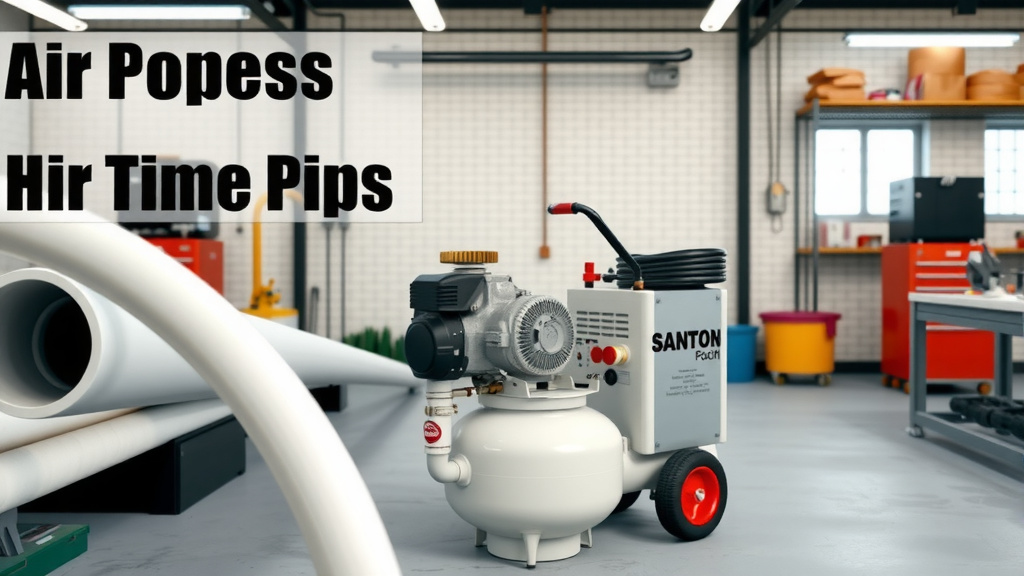
No, you absolutely should not use PVC pipe for air compressor lines.
PVC is not rated for the high pressure and sudden temperature changes found in compressed air systems, posing a significant safety risk that can lead to catastrophic failure.
Here’s the straightforward answer to your burning question about air compressor lines:
- Using PVC pipe for compressed air is extremely dangerous and widely discouraged by safety experts.
- PVC can become brittle and shatter under pressure, creating dangerous flying shrapnel.
- Operating temperatures within air compressor systems can soften PVC, further weakening it.
- Always choose materials like steel, copper, or PEX that are specifically designed for compressed air.
- Prioritizing safety with proper piping will protect you and your workspace.
Can I Use PVC Pipe For Air Compressor Lines?
In short, the answer is a resounding “no.” Using PVC pipe for air compressor lines is incredibly unsafe, and it’s a practice you should always avoid.
It’s vital to understand the serious risks involved before making any decisions about your air system.
Why PVC is a Dangerous Choice for Compressed Air
When you think about piping for fluids, PVC often comes to mind. However, compressed air is a very different beast than water.
Air compressors generate a lot of pressure, and that pressure, combined with temperature changes, creates a hazardous environment for PVC.
The Hazard of Sudden Rupture
Imagine a balloon. When it pops, it makes a sound, but it doesn’t usually cause injury. Now, imagine a PVC pipe under significant pressure.
If that pipe fails, it won’t just leak; it will likely shatter violently, sending sharp plastic fragments flying in every direction.
Pressure and Temperature: A Destructive Duo
Air compressor systems operate under high pressure. This pressure alone can stress PVC beyond its limits.
What makes it even worse is the heat. Compressed air gets hot, and that heat significantly weakens PVC, making it brittle and prone to sudden failure (OSHA guidelines emphasize this).
What Happens When PVC Air Lines Fail?
The consequences of a PVC air line failure can be dire. This isn’t just about a leak or a minor repair; it’s about potential injuries or worse.
We found that accidents involving PVC pipe in compressed air systems are often severe, creating hazards in workshops and industrial settings.
Explosion and Shrapnel Risk
A PVC pipe under pressure can effectively become a bomb. When it fails, it doesn’t just split open; it can explode with remarkable force.
This explosion propels pieces of plastic shrapnel at high speeds, posing a serious risk to anyone nearby.
Significant Injury Potential
Flying plastic pieces can cause deep cuts, eye injuries, and even severe blunt force trauma. Think of it like a fragmentation grenade.
Many experts emphasize that preventing such incidents should always be your top priority in any compressed air setup.
Common Misconceptions About PVC and Air
It’s easy to misunderstand PVC’s capabilities. Many people see it holding water and assume it’s fine for air.
Let’s clear up a couple of common thoughts that could lead to a dangerous mistake.
“But It Holds Water Pressure Just Fine!”
You’re right, PVC is great for water lines! Water is incompressible, meaning it doesn’t expand much when released.
Air, however, is highly compressible. When a pipe containing compressed air fails, the sudden expansion of air releases a tremendous amount of stored energy, unlike a water leak.
“Low Pressure Air is Safe, Right?”
Even at lower pressures, PVC can still be problematic. Temperature fluctuations, impacts, or even small defects can compromise its integrity.
Why take the risk when safer, affordable alternatives are readily available for any air compressor pressure?
Safe Alternatives for Air Compressor Piping
Alright, so PVC is out. What materials should you use instead? Thankfully, there are several reliable options built for the job.
Choosing the correct material from the start will give you peace of mind and a much safer working environment.
Steel Piping: The Robust Choice
Black steel or galvanized steel pipes are classic choices for compressed air systems. They are incredibly strong and can handle high pressures and temperatures.
Steel piping offers excellent durability and a long service life when installed correctly.
Copper Piping: Corrosion Resistant and Clean
Copper tubing is another superb option. It’s resistant to corrosion, which is great for keeping your air supply clean and free of rust particles.
While often a bit pricier, its longevity and ease of installation make it a popular professional choice.
PEX Tubing: Modern and Flexible
Cross-linked polyethylene, or PEX, is gaining popularity for air lines. Specific PEX types are rated for compressed air (always check the rating!).
It’s flexible, easy to work with, and won’t corrode over time, making it a good modern solution.
Other Material Considerations
Aluminum piping systems are also an option, particularly for larger industrial setups. They are lightweight, corrosion-resistant, and have smooth internal surfaces for better airflow.
Always ensure any material you choose is specifically rated for compressed air applications.
Choosing the Right Air Line Material: A Quick Guide
To help you decide, here’s a brief comparison of common piping materials for air compressors.
This table highlights key aspects to consider for your specific needs.
| Pipe Material | Pressure Rating | Temperature Range | Key Benefit | Safety for Air |
|---|---|---|---|---|
| PVC | Low (Not for Air) | Narrow, Softens with Heat | Low Cost (for water) | Extremely Unsafe |
| Black Steel | High | Wide | Very Strong, Durable | Safe and Reliable |
| Galvanized Steel | High | Wide | Strong, Corrosion Resistant | Safe and Reliable |
| Copper | High | Wide | Corrosion Resistant, Clean Air | Safe and Reliable |
| PEX (Air Rated) | Medium to High | Moderate to High | Flexible, Easy to Install | Safe (if rated) |
| Aluminum | High | Wide | Lightweight, Corrosion Resistant | Safe and Reliable |
Installation Tips for Safe Air Lines
Even with the right material, proper installation is paramount. A poorly installed system can still lead to problems, regardless of the pipe type.
Always follow manufacturer guidelines and general safety practices for any air compressor setup.
Proper Fittings Matter
Use fittings that are also rated for compressed air and compatible with your chosen piping material. Don’t mix and match unless explicitly stated.
Proper threading, sealing, and secure connections prevent leaks and maintain system integrity, a common concern in industry reports.
Draining Moisture is Key
Compressed air contains moisture, which can cause rust in steel pipes or damage tools. Install drip legs and automatic drains at low points in your system.
This practice helps maintain air quality and prolongs the life of your equipment.
Regular Inspection Checklist
Safety is an ongoing commitment. Regularly checking your air lines can prevent minor issues from becoming major problems.
Here’s a quick checklist to guide your routine maintenance:
- Check for any visible cracks or signs of wear on pipes and hoses.
- Listen for any hissing sounds indicating air leaks.
- Inspect fittings for tightness and corrosion.
- Ensure all support brackets are secure and prevent excessive movement.
- Verify that pressure gauges are working correctly.
- Drain moisture traps regularly to prevent water buildup.
Understanding Air Compressor Pressure Ratings
Every air compressor and every pipe material has a specific pressure rating. It’s like knowing your car’s top speed; exceeding it is dangerous.
Always ensure your piping system’s working pressure rating exceeds your compressor’s maximum output pressure.
Why Professional Advice is Smart
If you’re unsure about the best setup for your air compressor system, don’t hesitate to seek professional advice.
An expert can help you design a safe, efficient, and compliant system, ensuring your peace of mind and safety.
Conclusion
The message is clear: using PVC pipe for air compressor lines is a critical safety hazard you must avoid. The potential for catastrophic failure and serious injury simply isn’t worth the risk, no matter the perceived cost savings.
Always opt for materials specifically designed for compressed air, such as steel, copper, or air-rated PEX. Prioritize safety, use the right components, and perform regular inspections. Your well-being and the safety of your workspace depend on it.
Can PVC be used for vacuum lines?
While PVC is generally safer for vacuum lines than pressure lines because it’s not holding expansive energy, many experts still recommend against it for industrial vacuums. The material can still become brittle over time and may not withstand impacts or temperature changes, potentially leading to cracks and leaks that reduce vacuum efficiency. Always check specifications for appropriate vacuum piping.
What is the typical lifespan of proper air compressor piping?
Properly installed air compressor piping made from materials like steel, copper, or aluminum can last for many decades, often 20 to 50 years or more. Factors like environmental conditions, humidity levels, and how well moisture is managed within the system can influence the exact lifespan. Regular maintenance and inspections help maximize longevity.
Are there specific color codes for air compressor lines?
While there isn’t one universal legal standard color code for compressed air lines globally, many industries and companies adopt their own internal standards or follow recommended practices. For instance, in some settings, blue might be used for compressed air, while green could be for water. Always check your facility’s specific safety protocols and markings.
How do I check for leaks in my air compressor lines?
To check for leaks, first ensure your system is pressurized. Then, you can use a soapy water solution (dish soap mixed with water in a spray bottle) and spray it onto fittings, joints, and along the pipe sections. If you see bubbles forming, that indicates an air leak. You might also hear a distinct hissing sound in larger leaks.
Is it okay to use rubber hoses instead of rigid piping for air lines?
Yes, flexible rubber or synthetic hoses are perfectly acceptable and often preferred for short connections, tools, and areas where movement is needed. However, these hoses must be specifically rated for compressed air and the appropriate pressure. For main distribution lines over longer distances, rigid piping like steel or copper is generally more efficient and durable due to less pressure drop and better support.
