
Can I Use Regular Motor Oil In My Air Compressor?
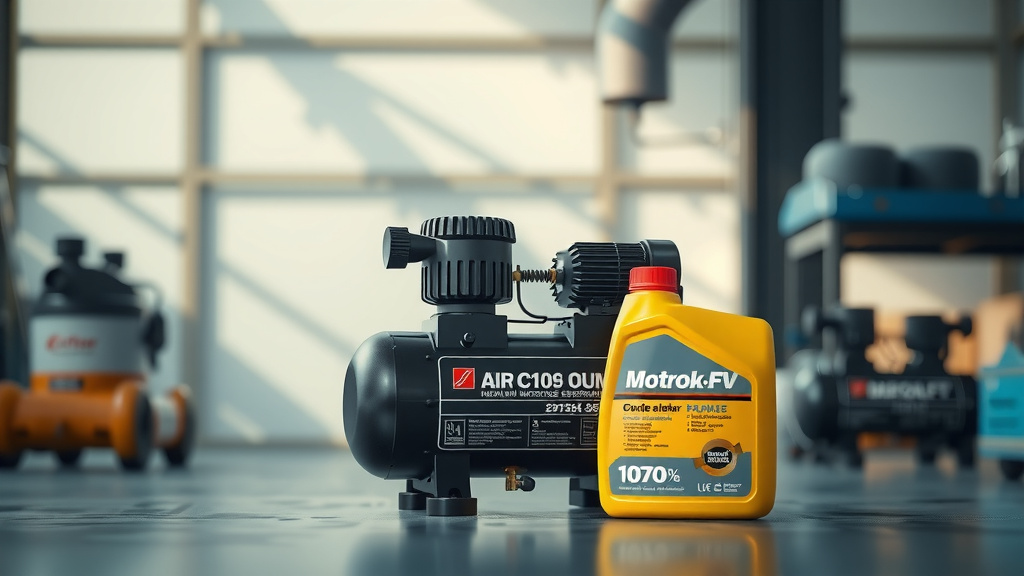
No, you absolutely should not use regular motor oil in your air compressor. Using regular motor oil in your air compressor can cause severe damage, reduce its lifespan, and even pose significant safety risks.
Air compressors require specific compressor oil designed to handle their unique operating conditions, unlike the additives found in automotive engine oils.
TL;DR
- Regular motor oil is not suitable for air compressors.
- Compressors need special oil due to different operating pressures and temperatures.
- Using the wrong oil causes carbon build-up, reduces efficiency, and can damage internal parts.
- Always check your compressor’s manual for the correct oil type and viscosity.
- Investing in the right compressor oil saves money and extends the life of your machine.
Can I Use Regular Motor Oil In My Air Compressor?
The short, direct answer is no, you should not use regular motor oil in your air compressor. Your air compressor needs specialized oil that handles its unique operating environment, which is very different from an car engine.
Why Regular Motor Oil Just Won’t Cut It
It’s easy to think oil is just oil, right? Many people assume that if it lubricates a car engine, it can lubricate an air compressor. This is a common but dangerous misconception.
Regular motor oil and compressor oil are formulated for entirely different jobs. They have distinct chemical makeups and additive packages.
The Viscosity Mismatch
Viscosity is a fancy word for how thick or thin a fluid is. Think of honey versus water. Motor oils are designed to perform across a wide range of temperatures in an engine, but they break down differently under the high pressure and continuous heat of an air compressor.
Compressor oil maintains its viscosity better under these specific conditions. It ensures proper lubrication without becoming too thin and failing to protect parts, or too thick and causing drag.
Heat and Carbon Build-Up
Air compressors generate a lot of heat as they compress air. Regular motor oils contain detergents and other additives that can break down under this constant heat. When they break down, they often leave behind harmful carbon deposits.
This carbon build-up can clog valves, restrict airflow, and severely reduce your compressor’s efficiency. It’s like gunking up the inside of your machine over time.
Understanding Air Compressor Oil
So, what makes compressor oil so special? It’s all about its specific formulation. Compressor oil is engineered to handle high temperatures and pressures without breaking down.
It usually lacks the detergents found in motor oil, which can cause foaming in a compressor. Foaming reduces lubrication and can introduce air into the oil, which is counterproductive.
Why Compressor Oil is Different
Compressor oils are built to resist oxidation and carbon formation. They often have higher flash points, meaning they can withstand higher temperatures before igniting. This is a crucial safety feature for any high-pressure machinery.
Many experts say that choosing the right oil is one of the most important maintenance decisions for your compressor. We found that manufacturers spend significant research on these specialized formulations.
| Feature | Regular Motor Oil | Air Compressor Oil |
|---|---|---|
| Operating Environment | Automotive engines (combustion, varied temps) | High-pressure air compression (continuous heat) |
| Additives | Detergents, dispersants, anti-wear | Anti-foam, rust inhibitors, oxidation resistance |
| Carbon Build-up | Can cause high build-up in compressors | Formulated to minimize carbon |
| Flash Point | Lower | Higher (safer at high temperatures) |
| Expected Lifespan | Shorter in compressor applications | Longer, optimized for compressor cycles |
The Real Risks of Using Wrong Oil
Thinking about saving a few bucks by using engine oil? We understand wanting to be cost-effective. However, the potential damage and costs far outweigh any initial savings. You might be setting yourself up for expensive repairs.
Damage to Internal Components
The wrong oil simply can’t provide the necessary lubrication. This leads to increased friction and wear on critical parts like pistons, cylinders, and valves. Research often connects improper lubrication with premature equipment failure (Industrial Lubrication and Tribology).
Over time, this wear can seize up your compressor entirely. Imagine your car engine without the right oil – it’s a similar catastrophic outcome for your air compressor.
Reduced Performance and Efficiency
As carbon builds up and parts wear, your compressor has to work much harder to achieve the same output. This means it uses more electricity, takes longer to fill the tank, and delivers less consistent airflow. You’ll notice a drop in power.
Poor lubrication also increases heat, which makes the compressor even less efficient. It becomes a vicious cycle that reduces your productivity.
Safety Concerns: Fire Hazards
This is perhaps the most serious risk. Regular motor oil has a lower flash point than compressor oil. When subjected to the high temperatures and pressures inside an air compressor, it can reach its flash point and ignite.
This risk is especially high in piston compressors where oil mist can be present. A fire in your workshop or garage is a serious threat that is easily avoided with the correct oil.
Voiding Your Warranty
Almost every air compressor manufacturer specifies the type of oil required for their machines. Using any other type of oil, especially regular motor oil, will almost certainly void your warranty. If your compressor breaks down due to improper lubrication, the manufacturer won’t cover the repair costs.
Always check your owner’s manual. It’s your ultimate guide to proper care and maintenance.
Choosing the Right Oil for Your Compressor
The best place to start is always your compressor’s owner’s manual. It will specify the exact type and weight of oil recommended by the manufacturer. Follow their guidelines precisely.
Generally, you will choose between a conventional (mineral-based) or synthetic compressor oil. Synthetic oils often offer better performance in extreme temperatures and longer change intervals, but they cost a bit more upfront.
Synthetic vs. Conventional Compressor Oil
- Synthetic Oil: Offers superior performance in extreme cold or hot conditions. Resists carbon build-up better and lasts longer between changes. Great for compressors used frequently or in harsh environments.
- Conventional Oil: A good, cost-effective choice for general-purpose compressors used in moderate conditions. Requires more frequent oil changes than synthetic types.
How Often Should You Change Compressor Oil?
The frequency of oil changes depends on several factors: the type of compressor, the type of oil you’re using, and how often you use your machine. Your owner’s manual will provide a specific schedule. Many guidelines point to checking the oil level frequently and changing it based on hours of operation (Equipment Maintenance Guide).
For light home use, you might change it annually. For heavy-duty commercial use, it could be every few hundred hours. Regular oil changes are critical for compressor health.
A Simple Checklist for Oil Care
- Consult your compressor’s owner’s manual for specific oil requirements.
- Only use dedicated air compressor oil – never motor oil.
- Check the oil level regularly before each use or a large project.
- Change the oil according to the manufacturer’s recommended schedule.
- Keep the area around your compressor clean to avoid dust contaminating the oil.
- Dispose of used oil responsibly at a designated recycling center.
Conclusion
While it might seem convenient, using regular motor oil in your air compressor is a practice fraught with risks. You’re not just risking poor performance; you’re risking costly damage, a voided warranty, and even serious safety hazards. Air compressors are precision machines, and they thrive on the right lubrication. Investing in the correct compressor oil is a small expense that provides major protection and longevity for your equipment.
Frequently Asked Questions About Air Compressor Oil
What happens if I accidentally put motor oil in my air compressor?
If you’ve already used motor oil, stop using the compressor immediately. Drain the motor oil completely and refill it with the correct compressor oil specified by your manufacturer. Monitor its performance closely for any signs of reduced power or unusual noises.
Can I mix different types of air compressor oil?
Generally, it’s not a good idea to mix different types of compressor oil. Each oil has specific additives that might react poorly when combined, reducing their effectiveness and potentially causing damage or accelerated wear. Stick to one type of oil consistent with your manufacturer’s recommendation.
Is synthetic compressor oil always better than conventional?
Synthetic compressor oil often offers superior performance, especially in extreme temperatures or for heavy use, due to its enhanced stability and longer lifespan. However, for light-duty or intermittent use in moderate conditions, conventional compressor oil can be perfectly adequate and more cost-effective. Always check your manual.
How do I check the oil level in my air compressor?
Most air compressors have a dipstick or an oil sight glass on the crankcase. Ensure the compressor is turned off and depressurized. For a dipstick, remove, wipe clean, reinsert fully, then remove again to read the level. For a sight glass, the oil level should typically be within the marked range.
Are there “oil-free” air compressors, and how do they work?
Yes, many smaller and some larger air compressors are designed to be “oil-free.” These compressors use permanently lubricated parts, such as Teflon-coated pistons or sealed bearings, that do not require liquid oil lubrication. This design eliminates the need for oil changes and reduces the risk of oil contamination in the compressed air.
