
Can I Use SAE 30 Oil In My Air Compressor?
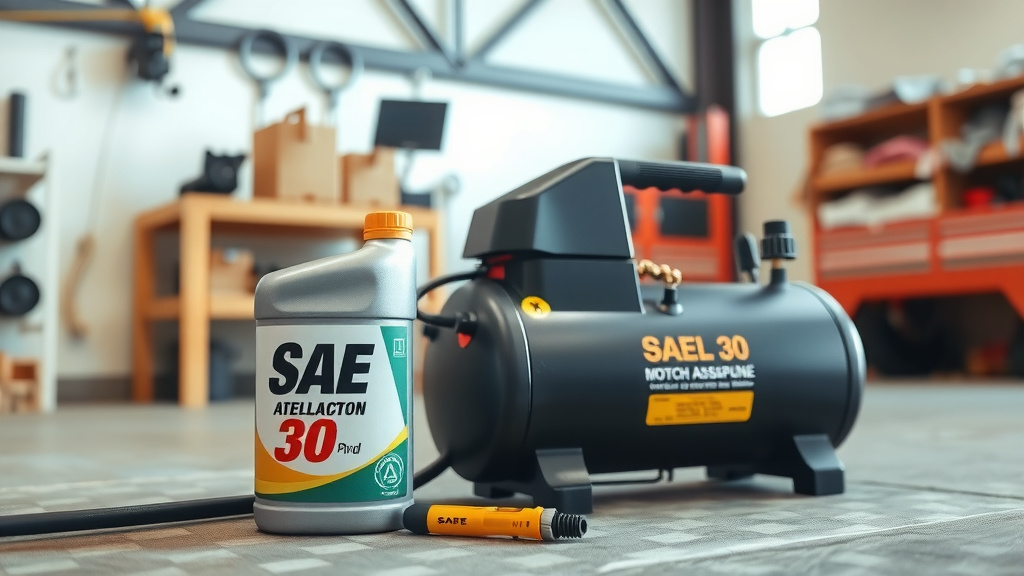
No, you generally should not use SAE 30 motor oil in your air compressor. Air compressors require specific compressor oil, which is formulated differently than motor oil for vehicle engines.
Using the wrong oil, like SAE 30, can cause significant damage to your air compressor, reduce its lifespan, and void your warranty.
- You should avoid using SAE 30 motor oil in your air compressor.
- Motor oil contains detergents that can harm your compressor’s internal components.
- Always refer to your compressor’s owner’s manual for the correct oil type.
- Using the proper compressor-specific oil ensures optimal performance and longevity.
Can I Use SAE 30 Oil In My Air Compressor?
In short, no, you should not use SAE 30 oil in your air compressor. Air compressors need specialized oils designed for their unique operating conditions.
Why Your Air Compressor Needs Specific Oil
Your air compressor works hard. It compresses air, which generates a lot of heat and pressure. The oil inside plays a few critical roles.
It lubricates moving parts, cools the system, and helps seal components. Think of it as the lifeblood of your machine, keeping everything running smoothly.
Understanding Motor Oil (SAE 30)
SAE 30 is a single-viscosity motor oil. It’s primarily designed for internal combustion engines, like those in your car or lawnmower. These engines have different needs than an air compressor.
Motor oils contain additives that are beneficial for engines. However, these same additives can be quite harmful to an air compressor.
The Big Differences: Compressor Oil vs. Motor Oil
You might think oil is just oil, right? Not at all! Compressor oil and motor oil are engineered for very different purposes. Their formulations vary significantly, especially regarding additives, viscosity, and thermal stability.
We found that these differences are key to understanding why you need specialized oil. Many experts say that selecting the right lubricant is one of the most important maintenance choices (Compressed Air Best Practices magazine).
| Feature | Compressor Oil | SAE 30 Motor Oil |
|---|---|---|
| Primary Function | Lubrication, cooling, sealing, rust prevention | Lubrication, cleaning (detergents), wear protection |
| Additives | Anti-foaming, anti-rust, anti-wear, oxidation inhibitors | Detergents, dispersants, anti-wear, friction modifiers |
| Thermal Stability | High, designed for continuous high heat | Good, but optimized for engine combustion cycles |
| Foaming Tendency | Very low | Higher (due to detergents) |
| Carbon Formation | Very low | Higher (residue from detergents) |
Additives: A Major Concern
Motor oil often includes detergents and dispersants. These additives are great for keeping engine parts clean. They suspend dirt and carbon so they can be filtered out.
However, in an air compressor, these detergents can cause serious issues. They can create foam, which reduces lubrication. They also leave behind carbon deposits that build up inside your compressor’s valves and lines.
Viscosity: Not Just a Number
Viscosity describes how thick an oil is. While SAE 30 might seem similar to some compressor oils, its viscosity behavior under pressure and temperature is different. Compressor oils maintain their stability better under the extreme conditions inside a compressor.
This stability ensures proper lubrication throughout its operation cycle. Your compressor’s efficiency relies on the correct oil viscosity.
Thermal Stability: Staying Cool Under Pressure
Air compressors generate substantial heat during operation. Compressor oil is formulated to withstand these high temperatures without breaking down. It resists oxidation and prevents sludge formation better than motor oil.
Research often connects proper oil selection with extended component life in high-temperature environments (ISO Standards for Lubricants).
What Happens If You Use SAE 30 Oil?
Imagine putting diesel into a gasoline car. It might run for a bit, but it won’t run well, and it will eventually break down. Using SAE 30 in your air compressor is a similar situation.
You risk several negative consequences, from reduced performance to costly repairs. It simply isn’t worth the gamble.
Carbon Buildup: A Silent Killer
The detergents in motor oil burn off and leave behind carbon deposits. These deposits clog valves, restrict air passages, and can even cause components to seize. This significantly reduces your compressor’s efficiency and air output.
Over time, this buildup can be extremely destructive. It’s like plaque in an artery, slowly suffocating the system.
Reduced Efficiency and Lifespan
When parts aren’t properly lubricated, they experience more friction and wear. Your compressor will work harder, draw more power, and deliver less air. This increased strain means components wear out faster, leading to a much shorter lifespan for your machine.
You’ll also notice it runs hotter and perhaps sounds different. Many guidelines point to correct lubricant usage as a key factor in equipment longevity (Manufacturer’s Association data).
Finding the Right Oil for Your Compressor
The best way to know which oil to use is always to consult your air compressor’s owner’s manual. Manufacturers specify the exact type and viscosity required for your specific model.
They often recommend either a mineral-based or synthetic compressor oil, depending on the compressor design and intended use.
Mineral vs. Synthetic Compressor Oil
You’ll typically find two main types: mineral and synthetic. Mineral oils are more traditional and often sufficient for lighter use. Synthetic oils offer superior performance, especially in extreme temperatures, and often provide longer change intervals.
They can extend your compressor’s life, but they generally cost more upfront. We found that synthetic options are popular for heavy-duty applications.
Checking Your Owner’s Manual
Seriously, this is your best friend. Your manual contains all the vital information about your compressor. It lists the correct oil type, viscosity (like ISO 100 or ISO 68), and the required oil change schedule.
Following these guidelines ensures your warranty remains valid too. Don’t guess; always check the book.
Signs Your Compressor Needs an Oil Change (or the Wrong Oil)
Pay attention to your compressor. It often tells you when something is wrong. Unusual noises, a noticeable drop in performance, or even a strange smell can indicate oil issues.
If the oil looks dark, cloudy, or has a burnt odor, it’s definitely time for a change or inspection.
Oil Change Checklist
- Check your owner’s manual for the recommended oil type and schedule.
- Ensure you have the correct amount of compressor-specific oil.
- Locate the drain plug and oil fill cap on your unit.
- Carefully drain all the old oil into a suitable container.
- Replace the drain plug securely.
- Refill with the new, correct oil to the specified level.
- Dispose of used oil responsibly at a local recycling center.
Conclusion
While it might seem convenient or cost-effective to use SAE 30 motor oil, it’s a decision that will likely lead to bigger problems down the road. Air compressors need special lubrication formulated to handle their unique operating environment.
Always use a dedicated compressor oil recommended by your manufacturer. This simple step protects your investment, ensures reliable performance, and keeps your compressor running efficiently for years to come. Your compressor deserves the right care, so give it the oil it was designed for.
Frequently Asked Questions
What kind of oil should I use in my air compressor?
You should always use an oil specifically formulated for air compressors, as recommended in your owner’s manual. This will typically be a mineral or synthetic compressor oil, often specified by an ISO viscosity grade like ISO 68 or ISO 100.
Can I mix different types of oil in my air compressor?
No, mixing different types of oil is generally not recommended. It can lead to unpredictable chemical reactions, reduce lubrication effectiveness, and potentially damage your compressor. Stick to one type and brand if possible, and always fully drain old oil before refilling.
How often should I change the oil in my air compressor?
The oil change frequency depends on your compressor model, how often you use it, and the type of oil. Refer to your owner’s manual for the precise schedule. Some heavy-duty units might need changes every 200-500 hours, while others might go longer.
What if I accidentally put the wrong oil in my air compressor?
If you’ve used the wrong oil, do not operate the compressor. Immediately drain all the incorrect oil from the system. Then, refill with the correct, manufacturer-recommended compressor oil. Running it with the wrong oil, even for a short time, can cause damage.
Are all compressor oils the same?
No, not all compressor oils are the same. They come in different viscosities (e.g., ISO 32, 68, 100) and base types (mineral or synthetic). Each is formulated for specific compressor types and operating conditions. Always match the oil to your compressor’s requirements.
