
Why Is My Air Compressor Overheating?
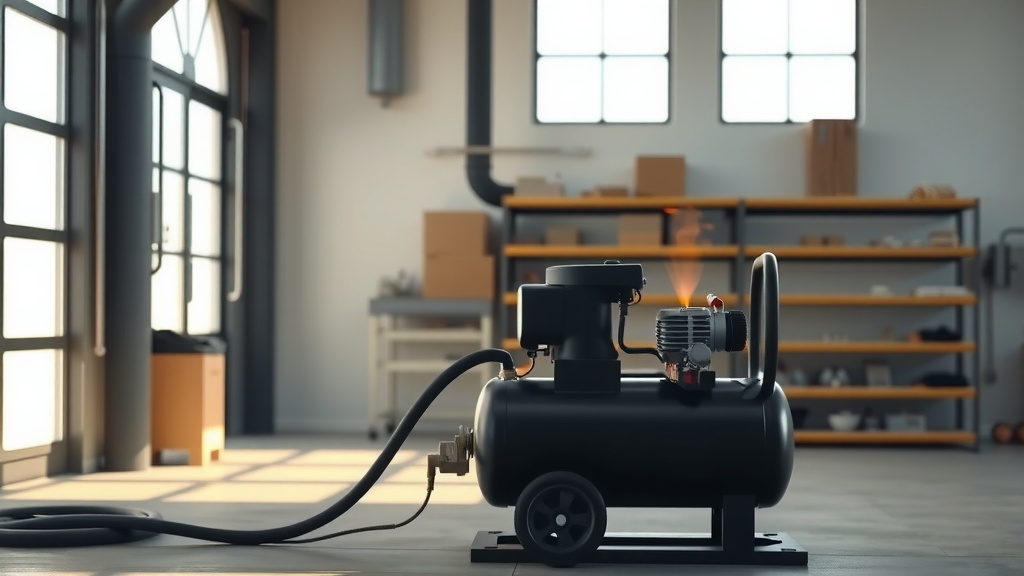
Your air compressor overheats primarily due to restricted airflow, low oil, dirty filters, or continuous, heavy operation beyond its design limits. Ignoring this can lead to serious damage.
Addressing these common issues, like ensuring proper ventilation and regular maintenance, is key to preventing your air compressor from overheating and extending its lifespan.
TL;DR: Here’s a quick overview of why your air compressor might be running hot:
- Lack of proper ventilation around the unit is a major cause.
- Low or incorrect oil levels create harmful friction and heat.
- A dirty or clogged air filter restricts vital air intake.
- Overworking the compressor beyond its designed duty cycle causes strain.
- Worn-out components like belts or bearings can generate excessive heat.
Why Is My Air Compressor Overheating?
Your air compressor overheats because it’s struggling to operate efficiently, often due to a combination of internal and external factors creating excessive heat that can’t dissipate properly.
It’s like your body getting a fever; it’s a sign that something isn’t right. For a compressor, overheating reduces its efficiency and can lead to costly breakdowns. Let’s explore the main reasons why your machine might be running hot.
Poor Ventilation: Choking Your Machine
Just like you need to breathe, your air compressor needs cool air to function. If it’s tucked away in a small, unventilated space, heat builds up quickly. There’s simply nowhere for the hot air to go (Compressed Air & Gas Institute).
We found that proper airflow is critical for cooling the motor and pump. Without it, the internal components struggle to dissipate heat, leading to rising temperatures.
Low or Incorrect Oil: The Friction Factor
Oil in your compressor does more than just lubricate; it also helps cool moving parts. If the oil level is too low, or if you’re using the wrong type of oil, friction increases dramatically. This friction generates a lot of heat.
Using the wrong oil can also cause issues. Many experts recommend specific compressor oils designed for high-temperature stability. We found that motor oil, for instance, often isn’t suitable for air compressors and can cause premature wear and overheating.
Checking Your Oil Levels
Always consult your compressor’s manual for the correct oil type and capacity. Regularly checking the oil level is a simple yet effective preventative step. Think of it like checking your car’s engine oil; it’s fundamental to its health.
Clogged Air Filter: The Breath Blocker
Imagine trying to run a marathon while breathing through a straw. That’s what a dirty air filter does to your compressor. It restricts the amount of air the pump can pull in, forcing the motor to work harder. This extra effort generates more heat.
A clean air filter ensures optimal airflow, allowing the compressor to operate as intended. Regular inspection and replacement are straightforward tasks that yield big benefits.
Overworking Your Compressor: Beyond Its Limits
Every air compressor has a “duty cycle,” which is how long it can run continuously before needing a break. If you run your compressor for extended periods, especially on demanding tasks, it might overheat. It’s simply being pushed beyond its design limits.
Many experts advise against running a compressor non-stop for too long. If your tasks require continuous air, you might need a compressor with a higher duty cycle or a larger tank capacity to manage the demand better.
Understanding Duty Cycles
Your compressor’s manual will specify its duty cycle. Ignoring this can lead to not only overheating but also significant wear and tear on the pump and motor. Giving your machine proper rest periods is vital.
Worn Components: Friction’s Folly
Over time, internal components like bearings, belts, and pistons can wear out. Worn bearings can create excessive friction and resistance, leading to increased heat. Loose or overly tight belts can also cause issues.
A common sign of worn components is unusual noises, perhaps a grinding or squealing sound. Regular inspection of belts for cracks or fraying, and checking for smooth operation of pulleys, can help catch problems early.
Belts, Bearings, and Pulleys
We found that keeping an eye on these moving parts is essential. Replacing worn components prevents not only overheating but also more extensive damage down the line. It’s often a small fix that averts a large repair bill.
High Ambient Temperatures: Environmental Impact
If your shop or garage is already hot, your air compressor has a tougher time staying cool. The surrounding air temperature directly impacts its ability to dissipate heat. This is especially true during hot summer months.
Keeping your compressor in a cooler environment, if possible, can make a significant difference. Even small fans directed at the unit can assist in heat dissipation.
Electrical Issues: A Less Obvious Culprit
Sometimes, the issue lies in the electrical system. A faulty motor, loose wiring, or an overloaded circuit can cause the motor to draw too much current. This excess current generates heat within the motor itself.
If you suspect an electrical problem, it’s often best to consult a qualified technician. Messing with electrical components without expertise can be dangerous and cause further damage.
What Can You Do About Overheating? Practical Steps
Don’t just watch your compressor struggle; take action! Preventing overheating is often simpler than you think and can save you money and headaches. Here are some key strategies:
Ensure Proper Airflow
Make sure your compressor has plenty of space around it – at least 12-18 inches from walls or other equipment. Consider adding a fan to help circulate air in confined spaces. Better ventilation means cooler operation.
Regular Oil Checks and Changes
Check your oil levels weekly and change the oil according to the manufacturer’s recommendations. Always use the specified type and viscosity of oil. This keeps friction at bay and helps with cooling.
Clean or Replace Air Filters
Inspect your air filter regularly, especially in dusty environments. Clean it if possible, or replace it every few months, or as recommended by the manufacturer. A clean filter is a happy filter.
Give Your Compressor a Break
Respect the duty cycle of your machine. If you’ve been working it hard, give it time to cool down. Sometimes a 15-20 minute pause can make a world of difference. Your compressor will thank you.
Inspect for Worn Parts
Periodically check belts for tension and wear. Listen for unusual noises. Addressing worn bearings or other components early can prevent overheating and costly repairs. We found that proactive checks are vital.
Here’s a quick troubleshooting guide for common overheating scenarios:
| Symptom | Likely Cause | Quick Fix |
|---|---|---|
| Compressor runs hot, low output | Clogged air filter | Clean/replace air filter |
| Compressor runs hot, motor strains | Low oil, worn bearings | Check oil, inspect bearings |
| Compressor runs hot in small room | Poor ventilation | Improve airflow, add fan |
| Compressor hot after long use | Exceeded duty cycle | Give it a break to cool down |
| Compressor hot, loud squeal | Worn belt or pulley | Inspect/replace belt |
To keep your compressor cool and efficient, consider this quick checklist:
-
Is the area around the compressor clear of obstructions?
-
Have you checked the oil level and quality recently?
-
When was the last time you cleaned or replaced the air filter?
-
Are you respecting the compressor’s duty cycle during operation?
-
Are there any unusual noises coming from the motor or pump?
-
Is the ambient temperature in its location excessively high?
Conclusion
An overheating air compressor is more than just an annoyance; it’s a clear warning sign that your machine is under stress and risks damage. By understanding the common causes – from poor ventilation and low oil to clogged filters and overwork – you can take proactive steps to prevent issues.
Regular maintenance, attentive observation, and respecting your compressor’s operational limits are your best defenses. Remember, a little care goes a long way in ensuring your air compressor enjoys a long, productive, and cool life. Keep it breathing, lubricated, and rested, and it will serve you well for years to come.
How often should I check my air compressor’s oil?
You should check your air compressor’s oil level at least once a week, and change it according to the manufacturer’s recommendations, typically every 3-6 months or after a certain number of operating hours (e.g., 200-500 hours).
Can I use regular motor oil in my air compressor?
No, generally you should not use regular motor oil. Air compressors require specific compressor oil, which is designed to withstand high temperatures and pressures, and provide proper lubrication without creating harmful deposits. Always consult your owner’s manual for the correct oil type.
What is an air compressor’s duty cycle?
The duty cycle of an air compressor refers to the percentage of time it can run continuously within a given period before needing to rest and cool down. For example, a 50% duty cycle means it can run for 5 minutes and then needs 5 minutes to cool down.
How can I improve ventilation for my air compressor?
To improve ventilation, ensure at least 12-18 inches of clear space around the compressor on all sides. If it’s in a small room, consider adding a fan to help circulate air or opening a door or window to allow heat to escape. Avoid placing it in direct sunlight.
What are the immediate dangers of an overheating air compressor?
The immediate dangers include premature wear and tear on internal components like bearings and seals, potential motor failure, reduced air output efficiency, and in extreme cases, a fire hazard due to electrical component failure from excessive heat. It always shortens the machine’s lifespan.
