
Where Is The Air Compressor?
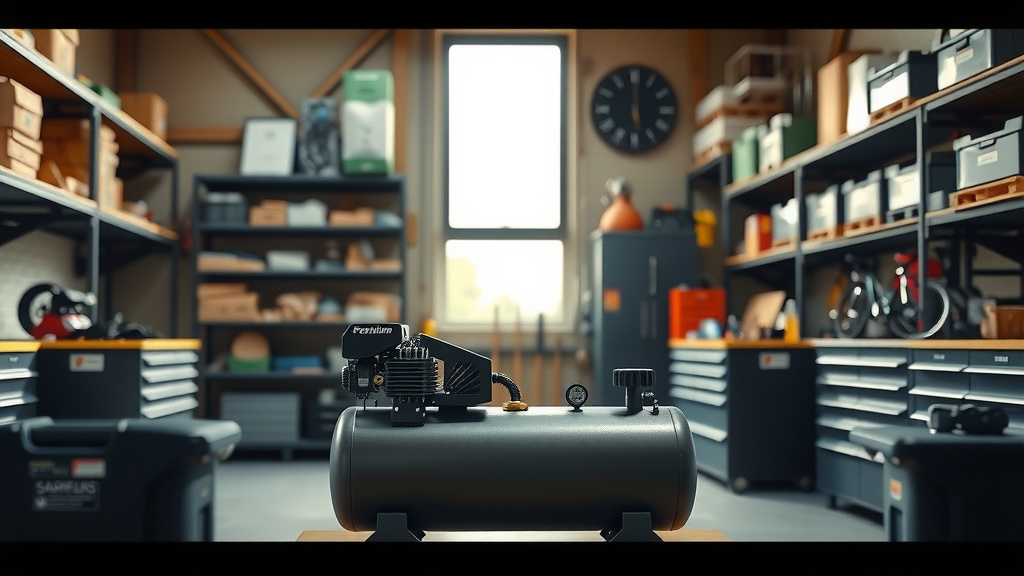
An air compressor can be found in various locations, depending on its type and intended use.
You’ll often find a stationary air compressor in workshops and industrial settings, while portable units are common in garages and job sites.
- Air compressors are everywhere, from your garage to massive factories.
- Their location depends on whether they’re portable or stationary, and what job they do.
- You’ll find smaller units near tools, while larger ones might have their own dedicated room.
- Safety and proper ventilation are key no matter where your compressor is placed.
- Understanding where it belongs helps you use it safely and efficiently.
Where Is The Air Compressor?
An air compressor, at its heart, is a machine that takes in air and compresses it into a smaller volume. This stored, pressurized air then becomes a source of power for countless tools and applications. So, where you find it really depends on what it’s powering.
Think of it like a hidden superhero in many workplaces and homes. You might not always see it, but its power is often essential. Its location is often a carefully chosen spot for efficiency and safety.
The Two Main Types: Stationary vs. Portable
When searching for an air compressor, the first thing to consider is its mobility. Air compressors come in two main types: stationary and portable. Each has distinct characteristics that dictate where it will likely be found.
Understanding this difference is like knowing if you’re looking for a bicycle or a car. Both move, but their typical parking spots are very different. This fundamental distinction guides our search.
Where Do Portable Air Compressors Live?
Portable air compressors are designed for movement. They are typically lighter, often have wheels, and can be easily transported from one place to another. You’ll find these units wherever tasks need to move.
Picture a busy construction site, for instance. A portable unit goes where the work is. It might follow a crew from one room to the next or even to different job sites entirely. They offer incredible flexibility.
Common Spots for Stationary Air Compressors
Stationary air compressors, in contrast, are meant to stay put. These are often larger, heavier machines, frequently bolted to the floor. They deliver a consistent, powerful supply of compressed air to a fixed location.
You’ll usually find these compressors in a dedicated space, like a machine room or a corner of a large workshop. They are the silent workhorses, powering systems that don’t move around.
Beyond the Obvious: Specialized Locations
While the type of compressor helps narrow down the search, the specific industry or application also plays a huge role. An air compressor for dental work is very different from one powering a factory line. Their homes reflect their purpose.
In Your Home Garage or Workshop
For many DIY enthusiasts, the air compressor lives in the garage or a home workshop. It’s often a smaller, portable unit, but sometimes a compact stationary model. It’s usually placed near the workbench or where air tools are stored.
We’ve found that people often keep them on a shelf, in a corner, or even under a workbench. They need to be close enough to easily connect air hoses to power nail guns, impact wrenches, or inflate tires.
Industrial Powerhouses and Factories
In large industrial settings, air compressors are mission-critical equipment. You’ll often find them in a dedicated compressor room. This room is typically separate from the main production floor for noise reduction and safety.
These industrial giants provide air for manufacturing processes, pneumatic machinery, and control systems. Many experts say they are the “lungs” of the factory. Their location is chosen for optimal airflow and maintenance access.
Automotive Shops and Service Centers
Visit any auto repair shop, and you’ll definitely find an air compressor. These are typically medium to large stationary units. They power everything from tire changers and lifts to air wrenches and paint sprayers.
They are usually located in the back of the shop, often against an exterior wall or in a utility area. This placement helps to keep the noise away from customer areas. It also makes it easier to run air lines throughout the service bays.
Construction Sites and Outdoor Projects
On construction sites, portable air compressors are king. They need to be moved frequently to different areas of the site. You’ll see them near the crew using pneumatic tools, like jackhammers or framing nailers.
These rugged units are built to withstand tough outdoor conditions. They might be positioned on solid ground, away from heavy traffic. Their mobility means their “home” changes daily, or even hourly, as the project progresses.
Why Location Matters: More Than Just Space
Simply finding a spot for your air compressor is not enough. The chosen location directly impacts its performance, longevity, and, most importantly, your safety. It’s not just about fitting it in; it’s about smart placement.
Safety First: Picking the Right Spot
Safety is paramount when operating any machinery, especially an air compressor. Improper placement can lead to accidents or equipment damage. Always consider the surroundings when setting it up.
For example, avoid placing it near flammable materials (OSHA guidelines). It produces heat and can create sparks. Also, ensure there’s enough space around it for safe operation and maintenance. We found that giving your compressor room to breathe is crucial.
| Good Location | Bad Location |
|---|---|
| Well-ventilated area | Confined, unventilated space |
| Dry, level surface | Uneven or damp ground |
| Away from flammable items | Near paint, gas, or chemicals |
| Accessible for maintenance | Cramped, hard-to-reach spot |
| Protected from extreme weather | Exposed to direct rain or sun |
Noise and Ventilation Considerations
Air compressors can be noisy. Placing them in a location that dampens sound or is away from frequently occupied areas is a good idea. This protects hearing and creates a more comfortable environment.
Ventilation is also vital. Compressors generate heat during operation. A well-ventilated space prevents overheating, which can shorten the lifespan of your unit. Many guidelines suggest ample airflow for optimal function (ISO standards).
Climate and Environment Are Key
The operating environment significantly affects a compressor. Extreme temperatures, high humidity, or dusty conditions can all cause problems. An ideal location offers protection from these elements.
Research often connects clean, dry air intake with better compressor performance (Compressed Air & Gas Institute). Keeping your compressor in a cool, dry, and relatively clean area helps it run smoothly.
Power Supply Access
Every air compressor needs a power source. Whether it’s an electrical outlet or a fuel source, it needs to be readily accessible. The location often depends on where you can safely plug it in or refuel it.
We found that planning the power connection first can save you headaches later. Avoid using long extension cords for larger units, as they can cause voltage drops and overheating. A direct connection is always best.
Making the Most of Your Compressor’s Home
Once you’ve found the perfect spot for your air compressor, there are a few simple steps to ensure it serves you well. Proper setup and ongoing care make a big difference.
- Check the Manual: Always read your compressor’s specific manual for placement recommendations.
- Level Surface: Ensure it’s on a firm, level surface to prevent vibration and tipping.
- Clear Surroundings: Keep the area around it free of clutter to allow for proper airflow.
- Secure Connections: Double-check all air hoses and power cords are securely connected.
- Regular Draining: If it’s a tank model, remember to drain condensation regularly from the tank.
Conclusion
Finding “where is the air compressor” is less about a single answer and more about understanding its purpose. Whether it’s a compact portable unit in your garage or a massive stationary system in an industrial complex, its location is intentionally chosen. It’s about optimizing performance, ensuring safety, and meeting the specific demands of the work it powers.
By considering factors like mobility, environment, safety, and ventilation, you can smartly locate your compressor. This ensures it’s not just a machine but a reliable, efficient partner in your tasks. A little thought goes a long way in giving your air compressor the best home.
Where are air compressors typically used?
Air compressors are widely used in various settings, including home garages for DIY projects, automotive repair shops for vehicle maintenance, construction sites for powering pneumatic tools, and large factories for manufacturing and operating machinery.
Can I place an air compressor outdoors?
Yes, some air compressors, particularly portable and industrial-grade models, are designed for outdoor use. However, it’s crucial to ensure they are protected from direct rain, extreme temperatures, and excessive dust to prevent damage and extend their lifespan.
What kind of maintenance is needed based on its location?
Regardless of location, regular maintenance such as draining condensation, checking air filters, and inspecting hoses is essential. If placed in a dusty environment, more frequent filter cleaning or replacement might be needed. Humid locations require more diligent moisture draining.
How far can an air hose reach from the compressor?
The practical reach of an air hose from the compressor depends on the hose length and the pressure loss over that distance. While hoses can be extended, longer hoses can cause a noticeable drop in air pressure and volume, affecting tool performance. It’s often better to move a portable compressor closer to the work if possible.
Do all air compressors need ventilation?
Yes, all air compressors generate heat during operation and require adequate ventilation. Proper airflow prevents the unit from overheating, which can lead to reduced efficiency, premature wear, and potential failure. Even small units benefit from open space around them.
