Can An Air Compressor Be Stored Outside?
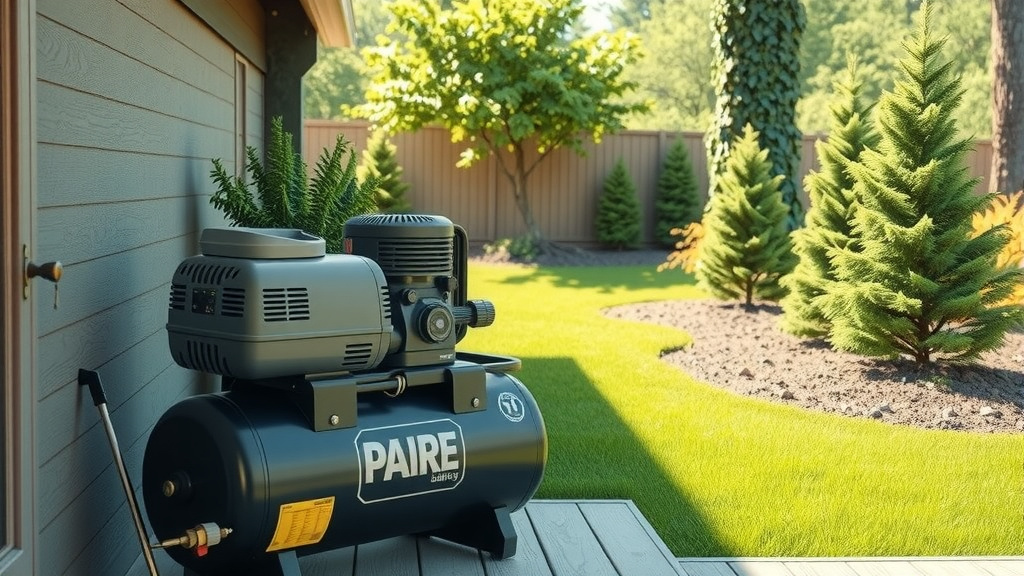
Generally, an air compressor should not be stored outside due to risks from extreme temperatures, moisture, theft, and dust that can severely damage its components and reduce its lifespan. Prolonged outdoor exposure can lead to costly repairs and safety hazards for your equipment.
While you might think about storing your air compressor outdoors for convenience or space, our research consistently shows this is not a recommended long-term solution for most models. Environmental factors can quickly degrade even robust units.
Here’s a quick overview of why storing your air compressor outside is generally a bad idea and what to consider if you absolutely must:
- Weather Damage: Extreme cold, heat, and moisture can cause rust, seize moving parts, and degrade lubricants.
- Security Risks: Outdoor storage makes your valuable equipment a prime target for theft.
- Pest and Debris: Dust, dirt, and critters can clog filters and interfere with internal workings.
- Efficiency Loss: Temperature fluctuations can make your compressor work harder, reducing efficiency.
- Safety Concerns: Electrical components exposed to moisture pose significant shock and fire risks.
Can An Air Compressor Be Stored Outside?
No, an air compressor should generally not be stored outside unless it’s specifically designed for outdoor, industrial use with appropriate weatherproofing. Most consumer and commercial compressors are built for indoor, protected environments.
Imagine your air compressor is like a delicate instrument. Would you leave a guitar out in the rain or scorching sun? Probably not. An air compressor, with its motor, tank, and sensitive components, needs similar protection to stay healthy.
The Risks of Outdoor Air Compressor Storage
Leaving your air compressor outdoors exposes it to a gauntlet of environmental challenges. Each factor chips away at its integrity, potentially leading to premature failure and expensive repairs.
How Cold Weather Hurts Your Compressor
When temperatures drop, the oil in your compressor can thicken. This makes the motor work harder to start, which can strain the electrical system and reduce motor life. Freezing temperatures can also cause condensation inside the air tank to freeze, potentially damaging the tank or valves (many experts warn against this, according to industry guidelines).
Think of it like trying to start your car on a frigid morning. The engine groans, right? Your compressor experiences similar stress. Very cold conditions also make hoses brittle, leading to cracks and air leaks.
The Dangers of Heat and Sunlight
High heat is just as detrimental as extreme cold. Direct sunlight can cause the air tank to expand and contract, potentially weakening its structure over time. Heat also degrades rubber seals and plastic components faster, leading to cracking and leaks.
The motor and pump can overheat more easily in hot ambient temperatures, forcing them to work less efficiently and shortening their overall lifespan. We found that sustained high temperatures are a common cause of compressor breakdowns.
Moisture is the Enemy
Rain, snow, humidity, and even morning dew are incredibly damaging. Water can seep into electrical components, causing short circuits and rust. It also promotes condensation inside the air tank, leading to rust on the interior surfaces.
Many guidelines point to regular draining of the tank as a good first step, but even then, outdoor moisture significantly increases internal corrosion risks (OSHA standards on compressed air systems emphasize dryness).
Rust and Corrosion Issues
Water and moisture are primary culprits for rust. Rust on the tank can compromise its structural integrity, leading to dangerous failures. Rust can also affect valves, fittings, and other metal parts, making them seize or leak.
Even small amounts of moisture can start a corrosion process that, left unchecked, can quickly turn into a major problem. Rust is a silent destroyer for metal equipment stored outside.
Protecting Your Investment from Theft
An air compressor isn’t a small investment. Leaving it outside, even in a seemingly secure yard, makes it an easy target for thieves. A quick grab-and-go is much simpler than trying to break into a locked shed or garage.
We found that many instances of outdoor equipment loss are due to insufficient security. It’s not just about weather; it’s about keeping your property safe from opportunists.
Impact on Performance and Lifespan
An air compressor isn’t built to tough out the elements. When forced to, its performance suffers, and its life expectancy plummets. It’s like asking a marathon runner to compete with a broken leg.
Reduced Efficiency and Power
Compressors stored in fluctuating temperatures often need to work harder to maintain optimal pressure. This means they consume more energy, leading to higher electricity bills and reduced airflow for your tools.
The thicker oil in cold weather, or the stressed motor in hot conditions, directly impacts how efficiently the unit operates. You’ll notice slower tool performance and longer recovery times.
Wear and Tear on Components
Exposure to dirt, dust, and debris common in outdoor environments can clog filters and get into moving parts, causing excessive wear and tear. This accelerates the degradation of bearings, pistons, and other critical components.
Every little bit of grit acts like sandpaper inside your machine. Over time, these small abrasions add up to significant internal damage that could have been avoided with proper indoor storage.
When Temporary Outdoor Storage is Unavoidable
Sometimes, despite your best efforts, you might need to store your air compressor outside for a short period. Maybe you’re moving, or space is extremely limited for a day or two. If so, taking strict protective measures is essential.
Essential Protective Measures
If you absolutely must store it outside, consider these steps for short-term protection:
- Elevate the compressor off the ground to prevent moisture wicking.
- Place it under a sturdy overhang or in a temporary shelter.
- Use a waterproof, heavy-duty cover designed for outdoor equipment.
- Lock it down or secure it to prevent theft.
- Drain the air tank completely after each use to prevent internal rust.
These steps don’t eliminate risks, but they can mitigate some of the damage during brief outdoor stints.
Choosing the Right Cover
Not all covers are created equal. A tarp might seem okay, but a form-fitting, breathable, waterproof cover designed for outdoor equipment offers far better protection. Look for UV-resistant materials.
A good cover will protect against rain and direct sunlight while allowing some air circulation to prevent moisture buildup underneath. Avoid simply wrapping it in plastic, which can trap condensation.
Best Practices for Indoor Storage
The ideal scenario for your air compressor is indoor storage. A garage, workshop, or shed provides the necessary protection from the elements and often better security.
Ideal Storage Conditions
Aim for a dry, temperature-controlled environment. This means avoiding areas with extreme heat, cold, or high humidity. A stable temperature helps maintain oil viscosity and prevents material degradation.
Keep the area clean and free of excessive dust. This prevents particles from entering the air intake, which can damage internal components (research often connects clean environments with extended equipment life, per industry studies).
Regular Maintenance Checks
Even indoors, your compressor needs attention. Regularly drain the air tank to remove condensation. Check for leaks in hoses and fittings, and keep the air filter clean.
These routine checks ensure your compressor remains in top working condition, regardless of where it’s stored. Prevention is always better than having to deal with a breakdown.
Indoor vs. Outdoor Air Compressor Storage: A Quick Comparison
Here’s a snapshot to help you weigh your options:
| Factor | Indoor Storage | Outdoor Storage |
|---|---|---|
| Temperature Control | Stable, mild | Extreme fluctuations |
| Moisture Protection | Excellent | Minimal to none |
| Security Risk | Low | High |
| Dust/Debris | Low exposure | High exposure |
| Component Lifespan | Maximized | Significantly reduced |
| Efficiency | Maintained | Reduced |
Checklist for Outdoor Storage (If You Have No Other Choice)
If you find yourself in a bind and must store your air compressor outside, here’s a quick checklist to minimize damage:
- Drain the Tank: Completely drain all air and moisture from the tank.
- Elevate: Place it on a pallet or blocks to keep it off the wet ground.
- Cover Properly: Use a heavy-duty, waterproof, and UV-resistant cover.
- Secure Against Theft: Chain it to something immovable or use a lock.
- Choose a Spot: Find a sheltered location, like under a porch or an overhang.
- Regular Checks: Inspect for rust, leaks, and pests frequently.
Conclusion
While the idea of storing an air compressor outside might seem convenient, the truth is it’s generally a recipe for trouble and premature failure. Most air compressors are simply not built to withstand the relentless assault of weather, pests, and potential theft.
Prioritizing indoor storage in a dry, stable environment will protect your investment, ensure its longevity, and keep it performing at its best. If outdoor storage is unavoidable for a very short term, take every precaution possible to shield your valuable equipment. Your air compressor will thank you with years of reliable service.
Frequently Asked Questions About Air Compressor Storage
Can I store my air compressor in an unheated garage during winter?
An unheated garage is generally better than being fully exposed outdoors, but you should still take precautions. Ensure the air tank is completely drained of moisture to prevent freezing and rust. If the temperature drops below freezing regularly, consider storing it in a warmer spot or using a tank heater if available, as very cold oil can make starting difficult and strain the motor.
How does humidity affect an air compressor stored outside?
High humidity is extremely detrimental to an air compressor stored outside. It promotes rapid condensation inside the air tank, leading to accelerated rust and corrosion. Furthermore, moisture can infiltrate electrical components, causing short circuits or degrading wiring, significantly shortening the compressor’s lifespan and creating safety risks.
What kind of cover is best if I have to store my compressor outside?
If outdoor storage is unavoidable, opt for a heavy-duty, waterproof, and UV-resistant cover specifically designed for outdoor equipment. Look for covers made from durable materials like reinforced vinyl or polyester with a breathable lining to prevent moisture buildup underneath. Avoid simply using a tarp, which can trap condensation and offer inadequate protection.
Will storing an air compressor outside void its warranty?
Many manufacturers’ warranties include clauses that specify proper storage conditions. Damage resulting from improper outdoor storage, such as rust from moisture exposure or issues caused by extreme temperatures, could potentially void your warranty. Always check your specific compressor’s warranty documentation for exact terms and conditions.
How often should I drain the air tank if it’s stored outside?
If your air compressor is stored outside, you should drain its air tank after every single use, without exception. This is crucial to prevent the accumulation of moisture, which leads to rust and potential tank failure. Even if not used, if stored outdoors, it’s wise to drain it weekly or bi-weekly, especially in humid conditions, to mitigate condensation risks.