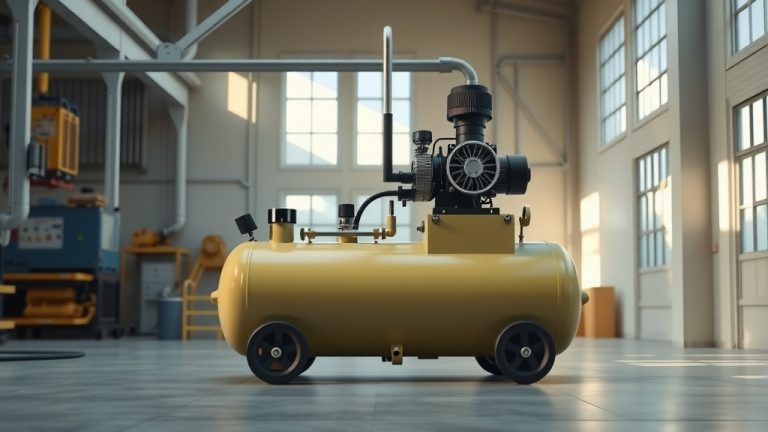
Can An Air Compressor Get Rained On?
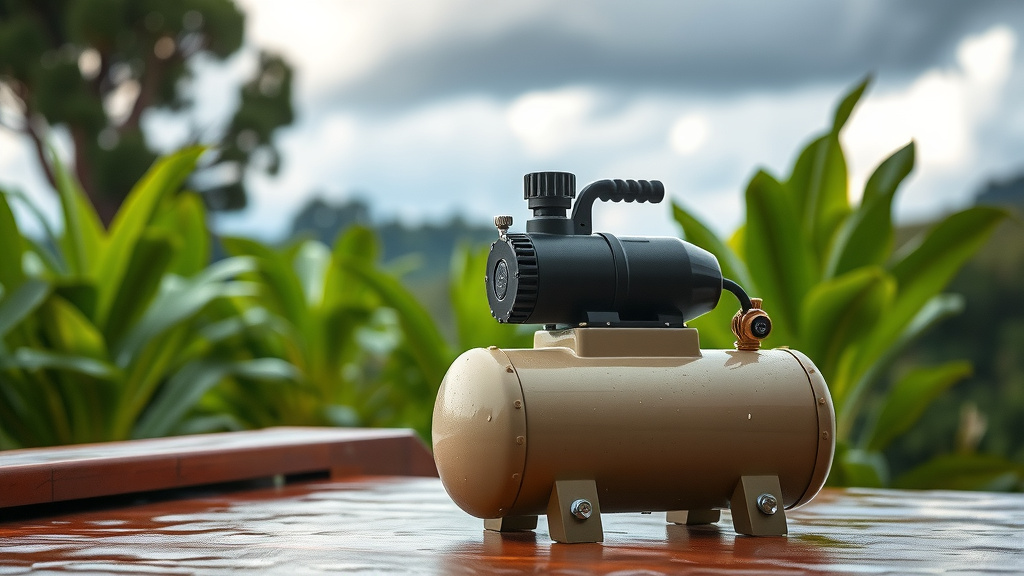
No, an air compressor should generally not get rained on. Direct exposure to rain can cause significant damage to your air compressor, leading to potential electrical hazards, rust, and operational failure.
Protecting your air compressor from moisture is vital for its longevity and safe operation, as water can corrode internal components and short-circuit electrical systems.
- Rain is very harmful to most air compressors, especially standard models.
- It causes rust, creates serious electrical risks, and can damage internal parts.
- Always keep your air compressor indoors or under proper, sturdy shelter.
- Check the IP rating if you have an air compressor designed for outdoor use.
- If your compressor gets wet, always disconnect power immediately and dry it thoroughly.
Can An Air Compressor Get Rained On?
You might be wondering if your air compressor can handle a little rain. The straightforward answer is almost always no, you should keep your air compressor dry.
Most air compressors are designed for indoor use. This means they are not built to withstand outdoor elements like rain, snow, or even heavy humidity.
Why is Rain Bad for Your Air Compressor?
Think of your air compressor like any other sensitive piece of machinery. When water gets into it, problems start to multiply quickly.
Rainwater can cause internal components to rust. This rust can seize up moving parts, reducing efficiency or causing complete failure. We found that rust is a common cause of compressor breakdown.
The moisture also mixes with the oil in the compressor. This creates a sludge that can clog lines and reduce lubrication. Imagine trying to run an engine with dirty, watery oil – it just won’t work well.
Electrical Dangers Are Real
Beyond rust, there’s a serious electrical risk. Most air compressors use electricity to power their motors.
Water and electricity are a dangerous mix. If rain gets into the electrical motor or wiring, it can cause a short circuit. This could lead to a sudden power outage or even an electrical fire.
Electrical safety experts warn that any exposure to water can be extremely hazardous. Your safety and the safety of your property should always be your top concern.
Understanding Your Compressor’s IP Rating
Some air compressors are made for outdoor conditions. These usually have an “IP rating,” which stands for Ingress Protection. This rating tells you how well the equipment is protected against solids and liquids.
For example, an IP44 rating means it’s protected against splashes of water. An IP65 rating means it’s protected against low-pressure water jets. However, even these ratings don’t mean they can handle heavy, sustained rain without a proper cover.
Always check your compressor’s manual for its specific IP rating. Most common garage or workshop compressors have no IP rating for water.
Is Any Exposure Okay?
What if it’s just a light sprinkle for a minute? Even a small amount of rain can find its way into vulnerable spots. While a tiny splash might not immediately destroy your unit, it creates a risk. Over time, even small amounts of moisture can lead to corrosion and damage. It’s simply not worth the gamble.
What About Outdoor Air Compressors?
Some air compressors are indeed designed for outdoor placement. These are often much larger, industrial units. They usually come with specific enclosures and weather-resistant features.
However, even these heavy-duty models need some protection. Many manufacturers advise that you still place them under a roof or a sturdy shelter. Think of it like a picnic in the rain; you still want a gazebo, right?
Protecting Your Air Compressor from the Elements
The best defense is good prevention. Keeping your air compressor dry is easier than fixing a water-damaged one.
Where to Store Your Compressor
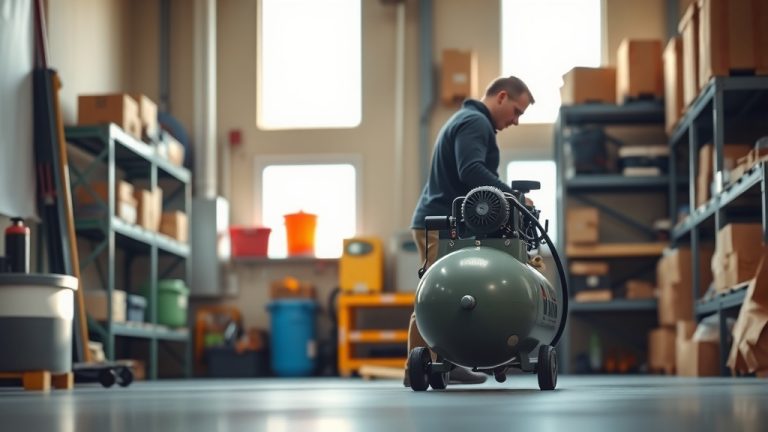
The ideal spot for most air compressors is indoors. A garage, workshop, or shed provides the best protection from rain and humidity.
Make sure the area is dry and has good airflow. This helps prevent moisture buildup around the unit, even if it’s not directly raining. A dry, stable environment is what your compressor loves.
Using Covers and Enclosures
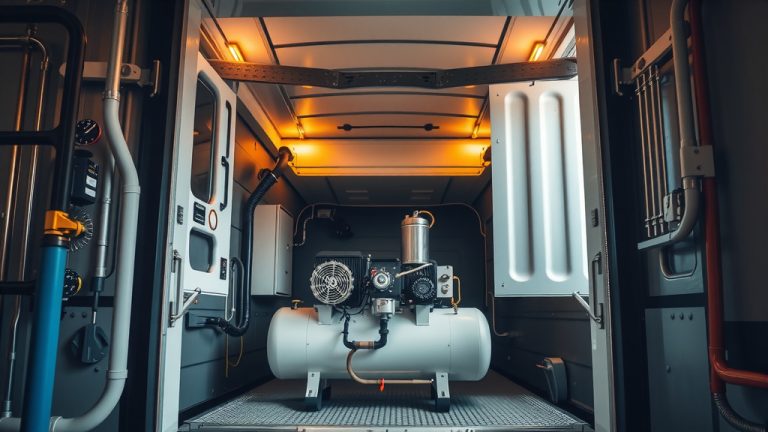
If you absolutely must keep your compressor outdoors, invest in a proper protective cover. These are often made from heavy-duty, waterproof materials.
Alternatively, you could build a small enclosure. Ensure the enclosure allows for good ventilation to prevent overheating. Overheating is another enemy of your compressor!
Checking for Water Damage
After any accidental exposure to rain, you need to check your compressor thoroughly. Look for any signs of water inside the unit, around electrical components, or on the air intake.
A simple visual check can save you a lot of trouble. We found that regular visual inspections are key for compressor health.
What If Your Compressor Does Get Wet?
Accidents happen. If your air compressor unexpectedly gets rained on, don’t panic, but act quickly and safely.
Safety First: Disconnect Power
This is the most critical step. Immediately turn off and unplug the air compressor from its power source. Do not touch it if you suspect the area around it is also wet or if you are standing in water. Your safety is paramount.
Inspecting for Damage
Once it’s safe, carefully inspect the compressor. Look for water inside the motor housing, control panel, or any electrical connections. Check for rust starting to form on metal parts. Many experts suggest looking for standing water or dampness.
Drying It Out
Use clean, dry rags to wipe down the exterior. For internal drying, you might use a hairdryer on a cool setting. Direct airflow into openings, but avoid excessive heat. Allow ample time for it to air dry completely, often a day or two in a warm, dry spot.
When to Call a Pro
If you see significant water intrusion, electrical damage, or if the compressor doesn’t start or runs strangely after drying, call a qualified technician. Don’t try to force it. A professional can properly assess and repair the damage. Trying to fix it yourself could void warranties or cause further harm.
Preventative Measures Are Key
Taking a few moments now can save you headaches and expense later. Proactive care ensures your compressor runs efficiently and lasts longer.
Think of it like taking care of your car; a little maintenance goes a long way. Good care extends the life of your equipment dramatically.
Checklist: Keeping Your Compressor Dry
- Store your air compressor indoors, always.
- Use a waterproof cover if outdoor storage is unavoidable.
- Regularly check for leaks or condensation.
- Ensure power is disconnected before any cleaning or inspection.
- Clean and dry any wet components immediately and thoroughly.
- Consider a small roof or shelter for any outdoor units.
Here’s a quick comparison of care for indoor versus outdoor compressors:
| Feature | Indoor Compressor Care | Outdoor Compressor Care |
|---|---|---|
| Rain Protection | Primary concern; avoid all exposure | Designed for some exposure, but still needs shelter |
| Storage Location | Dry, climate-controlled garage or workshop | Covered area, well-ventilated, sturdy roof |
| Electrical Outlets | Standard indoor outlets | Often require weather-resistant, GFCI-protected outlets |
| Maintenance Focus | Regular internal checks, oil changes | More frequent checks for external corrosion and moisture intrusion |
Conclusion
To sum it up, letting your air compressor get rained on is a recipe for trouble. Most models are not built for it and will suffer damage, from rust to dangerous electrical shorts. Prioritize keeping your unit in a dry, protected environment.
If you have an outdoor-rated compressor, still give it shelter. If an accident happens, disconnect power immediately and dry it thoroughly. Your air compressor is a valuable tool; treating it with care ensures it will serve you well for years to come.
Can a portable air compressor be stored outside?
Generally, no. Most portable air compressors are designed for indoor use in dry conditions. Storing them outside exposes them to rain, humidity, and temperature changes, which can lead to rust, electrical issues, and reduced lifespan. Always store your portable unit in a garage, shed, or indoors.
What kind of weather can an air compressor withstand?
Most standard air compressors can withstand typical indoor climate conditions, meaning stable temperatures and low humidity. They are not built for extreme cold, heat, direct sunlight, heavy humidity, or any precipitation like rain or snow. Only specially designed industrial outdoor compressors can handle specific weather, and even those usually need some form of shelter.
How do I protect my air compressor from moisture and humidity?
To protect your compressor, store it in a dry, climate-controlled area. Use a high-quality water separator and drain your air tank regularly to remove condensed moisture. If it’s in a humid environment, consider using a dehumidifier in the storage area. Keeping it covered also helps prevent dust and moisture from settling on it.
What are the signs of water damage in an air compressor?
Signs of water damage include visible rust on metal parts, discoloration or cloudy appearance of the compressor oil, unusual noises during operation (like grinding or knocking), tripping circuit breakers, or the unit failing to start. You might also notice water coming out of the air lines or drain valve when it shouldn’t.
Is it safe to use an air compressor after it has gotten wet?
It is not safe to use an air compressor immediately after it has gotten wet. You must first ensure the unit is completely dry, especially all electrical components. If there’s any doubt about internal water intrusion or electrical integrity, it’s best to have a qualified technician inspect it before powering it on again. Prioritize safety above all else.