
How To Cool Down Air Compressor?
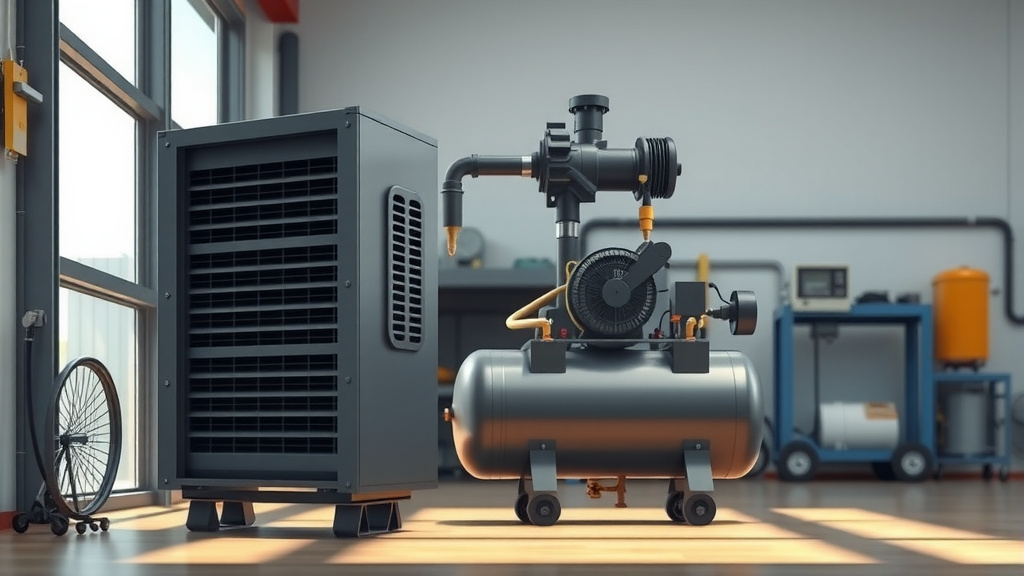
To effectively cool down an air compressor, ensure adequate ventilation around the unit and regularly clean its air filters and cooling fins.
Additionally, managing ambient temperature and ensuring proper lubricant levels are vital steps in preventing your air compressor from overheating.
- Keep your air compressor cool by checking its location for good airflow.
- Clean filters and cooling components often to stop heat build-up.
- Monitor oil levels and use the right type of lubricant to reduce friction.
- Consider adding extra fans or even aftercoolers for demanding use.
- Regular maintenance truly prevents most overheating issues before they start.
How To Cool Down Air Compressor?
Keeping your air compressor cool prevents damage and extends its life. The best way is to ensure good airflow, regular cleaning, and proper lubrication for optimal performance.
Ever notice your air compressor getting really warm? It’s a common thing, almost like a car engine working hard. But a compressor that gets too hot can cause big problems. We want to help you keep it cool and running smoothly. Think of it as giving your hardworking machine a nice, refreshing drink and a bit of a breeze.
Why Does Your Air Compressor Get Hot?
Just like any machine, air compressors create heat when they work. They compress air, which naturally makes it hotter. This process can quickly raise the internal temperature of your unit. Understanding this heat generation is the first step.
The Friction Factor
Inside your compressor, moving parts like pistons or rotors create friction. This constant rubbing generates heat, much like rubbing your hands together on a cold day. Proper design helps, but friction is always there.
Many experts say that friction is a primary heat source in all mechanical systems (Machinery Lubrication Magazine).
Working Hard
The harder your compressor works, the hotter it gets. If you run it continuously or demand a lot of air, it pushes itself. This strenuous activity causes internal temperatures to rise quickly. Think of it like a marathon runner; they get warm very fast.
Your Compressor’s Best Friend: Good Airflow
Adequate ventilation is perhaps the single most important factor for cooling. Imagine trying to cool a hot oven without opening a window; it just won’t work. Your compressor needs room to breathe.
Location Matters
Where you place your compressor makes a huge difference. Avoid cramming it into a corner or against a wall. Give it at least 12-18 inches of clearance on all sides. This space allows air to circulate freely around the unit.
We found that many common issues stem from poor placement. A garage corner might seem convenient, but it traps heat.
Clear the Clutter
Over time, dust, tools, or even extra parts can accumulate around your compressor. These items block airflow. Make it a habit to keep the area around your compressor clean and clear. A quick sweep can do wonders.
Keeping it Clean: Filters and Cooling Fins
Dirt and dust are enemies of efficiency, especially for cooling. They act like blankets, trapping heat where it needs to escape. Regular cleaning helps your compressor stay cool.
Air Filter’s Role
A dirty air filter restricts airflow into the compressor, forcing it to work harder. This extra effort generates more heat. Check your air filter regularly and clean or replace it as needed. It’s a small task with a big payoff.
Fin Fanatic
Many compressors have cooling fins or a radiator-like component. These are designed to dissipate heat into the air. If they’re covered in grime, they can’t do their job. Use compressed air or a soft brush to gently clean these fins. You’ll be amazed at the difference.
Lubrication: The Unsung Hero
Proper lubrication reduces friction, which directly reduces heat. It’s like oiling a squeaky door hinge; everything runs smoother and with less effort. Don’t overlook the importance of your compressor’s oil.
The Right Oil Makes a Difference
Using the correct type and viscosity of compressor oil is important. The manufacturer specifies this for a reason. Incorrect oil can lead to increased friction and heat, and even premature wear. Always refer to your compressor’s manual for oil specifications.
Research often connects improper lubrication with accelerated component degradation (National Fluid Power Association).
Check Those Levels
Just having the right oil isn’t enough; you need the right amount. Low oil levels mean parts are not adequately lubricated, increasing friction and heat. Regularly check your oil levels, just like you would in your car. It only takes a minute.
When the Heat is On: Advanced Cooling Solutions
Sometimes, basic steps aren’t enough, especially if you have a larger or heavily used compressor. There are additional solutions you can explore.
Auxiliary Fans
Adding an external fan can significantly boost cooling. Position it to blow cool air towards the compressor’s motor and cooling fins. This simple addition can drastically improve heat dissipation. It’s like putting a box fan on yourself on a hot day.
Aftercoolers and Intercoolers
For industrial or continuous-use compressors, aftercoolers and intercoolers are common. An aftercooler cools the compressed air after it leaves the compressor, before it enters your system. An intercooler cools air between compression stages. These are built-in cooling systems, a bit more complex than a simple fan.
Maintenance Checklist for a Cool Compressor
Staying on top of simple tasks can prevent most overheating problems. Here’s a quick list to keep you organized:
- Inspect the compressor’s surroundings for adequate ventilation.
- Clean the air filter regularly, either by blowing it out or replacing it.
- Brush away dust and debris from cooling fins and surfaces.
- Verify the oil level and ensure you’re using the correct type.
- Check for any unusual noises or vibrations, which could indicate wear.
- Consider adding an external fan in hot environments.
Here’s a quick overview of cooling considerations for different compressor types:
| Compressor Type | Common Cooling Method | Key Cooling Tip |
|---|---|---|
| Piston/Reciprocating | Air-cooled fins, oil lubrication | Ensure clean fins and adequate oil levels. |
| Rotary Screw | Oil-flooded, oil cooler (air or water) | Monitor oil cooler for blockage; check oil quality. |
| Portable/Small Shop | Ambient air, small fans | Place in open areas, avoid direct sunlight. |
Conclusion
Keeping your air compressor cool is not complicated, but it does require attention. By focusing on ventilation, cleanliness, and proper lubrication, you can prevent overheating and extend your unit’s lifespan. Remember, a little proactive care goes a long way. Treat your compressor well, and it will serve you reliably for years to come. Your tools depend on it, and your wallet will thank you too.
How hot is too hot for an air compressor?
Generally, an air compressor’s operating temperature should not consistently exceed 200-220°F (93-104°C). Temperatures above this range indicate a problem and can lead to component failure and reduced efficiency. Always check your specific model’s manual for its recommended temperature limits.
Can I use water to cool my air compressor?
Directly spraying water on an air compressor is generally not recommended unless it’s designed for water cooling. Most air compressors are air-cooled, and water can cause rust, short circuits, or damage to electrical components. Some industrial compressors use water-cooled heat exchangers internally, but this is a sealed system.
Does ambient temperature affect air compressor cooling?
Yes, ambient temperature plays a significant role. If your compressor operates in a very hot environment, it struggles to dissipate heat effectively. Cooling solutions like fans become less efficient. Try to place your compressor in the coolest available area or consider adding auxiliary cooling in hot conditions.
How often should I clean my air compressor’s cooling fins?
The frequency depends on your environment. If you operate in a dusty workshop, you might need to clean the fins monthly. For cleaner environments, every 3-6 months may suffice. Visually inspect them regularly; if you see visible dust or debris buildup, it’s time for a cleaning.
What are the signs that my air compressor is overheating?
Common signs of an overheating air compressor include the unit shutting down unexpectedly (thermal overload), a burning smell, excessive heat radiating from the casing, or the pressure gauge fluctuating erratically. You might also notice a drop in performance or slower air delivery. Address these signs quickly to prevent damage.
