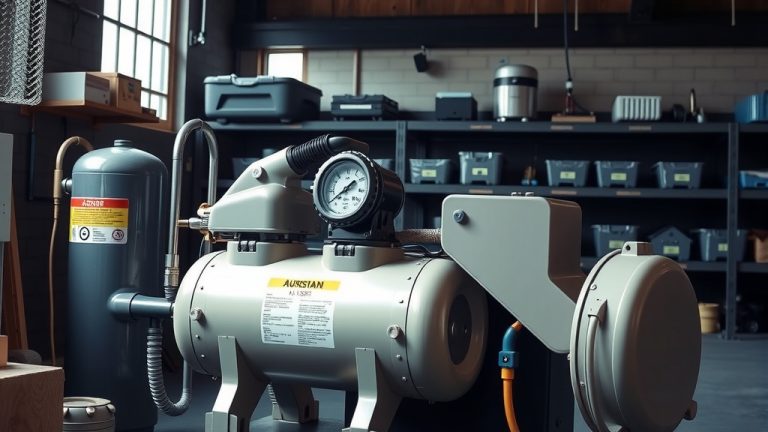
Can An Air Compressor Get Wet?
An air compressor can indeed get wet, but it’s generally a bad idea and can lead to significant problems. Protecting your air compressor from moisture is essential for its longevity and safe operation.
Exposure to water, whether from rain, humidity, or spills, can cause rust, electrical hazards, and severe internal damage to your air compressor.
- Getting your air compressor wet can lead to serious internal rust and corrosion, damaging vital components.
- Water is a major electrical hazard, risking shorts, shocks, and potential fires with an active compressor.
- Moisture can dilute or wash away lubricants, causing excessive wear and tear on moving parts.
- Performance suffers, as internal water can reduce air quality, cause pressure drops, and strain the motor.
- Proper storage and regular maintenance are key to preventing water damage and ensuring safe operation.
Can An Air Compressor Get Wet?
No, you really don’t want your air compressor to get wet. While some heavy-duty industrial models might have better sealing, most standard and portable air compressors are not designed to handle water exposure. Water is a true enemy to these machines.
Why Water is a Big Deal for Air Compressors
Think of your air compressor like a finely tuned engine. Just as you wouldn’t pour water into your car’s fuel tank, you shouldn’t let it get near your compressor’s internal workings. Water causes a cascade of issues that can render your machine useless, or worse, dangerous.
The Silent Threat: Rust and Corrosion
One of the biggest silent threats to an air compressor is rust. When metal components, especially inside the air tank and valves, come into contact with water, oxidation begins quickly. This rust can weaken parts and create leaks. We found that even small amounts of water can start this damaging process (Compressed Air Best Practices magazine).
Electrical Dangers You Can’t Ignore
Most air compressors are electrically powered. Water and electricity are a perilous combination. If water reaches the motor, switches, or wiring, it can cause electrical shorts, serious shocks, or even fires. Your safety and the machine’s safety are at risk.
Lubrication Loss: A Slippery Slope
Many air compressors use oil to lubricate moving parts, reducing friction and heat. If water gets inside, it can mix with or wash away this oil. This leads to poor lubrication, increased friction, and accelerated wear on pistons, cylinders, and bearings. It’s like trying to ride a bike with no chain grease.
Internal Water Damage: What Happens Inside?
It’s not just the visible parts you need to worry about. Water inside the air tank itself is a common issue. As air is compressed, moisture in the air condenses. This water then sits at the bottom of the tank, slowly corroding it from the inside out. We found this is a leading cause of tank failure over time (OSHA guidelines for pressure vessels).
Imagine tiny droplets of water relentlessly attacking the metal. Over months and years, this can create pinholes or even catastrophic tank ruptures. Are you regularly draining your tank? You absolutely should be!
Performance Drops: Less Power, More Problems
When water contaminates your air compressor, its performance takes a hit. Water vapor in the compressed air reduces its efficiency. You might notice your tools operating with less power or inconsistent pressure. It’s like trying to run a marathon with soggy shoes.
Water can also clog air lines, filters, and pneumatic tools, leading to downtime and costly repairs. Many experts say that maintaining dry, clean air is paramount for optimal tool function.
Where Can Your Air Compressor Get Wet?
Water can find its way into your compressor from several sources. Being aware of these helps you prevent problems.
| Source of Water | Risk Level | Common Scenario |
|---|---|---|
| Rain/Snow | High | Operating or storing outdoors without cover. |
| High Humidity | Medium | In humid environments, more condensation builds up. |
| Spills/Floods | High | Accidental spills in the workshop or basement flooding. |
| Condensation | Continuous | Natural byproduct of air compression, collects in tank. |
| Leaking Pipes | Medium | Water leaks from overhead pipes or plumbing. |
Outdoor Exposures: Rain and Humidity
If you use your air compressor outdoors, even a light drizzle can be enough to cause issues. Leaving it uncovered in the rain or snow is a recipe for disaster. High humidity environments also contribute to more internal condensation, even if no direct water hits the machine.
Indoor Risks: Leaks and Spills
Don’t assume your indoor compressor is safe. A leaking roof, a burst pipe, or even an accidental spill of a liquid nearby can splash onto critical components. It’s always wise to keep your compressor in a dry, safe location.
How to Protect Your Air Compressor from Water
Prevention is always better than cure. Protecting your air compressor is straightforward with a few key habits.
- Store it indoors: Always keep your compressor in a garage, shed, or workshop.
- Use a cover: If temporary outdoor use is necessary, use a waterproof cover.
- Drain the tank regularly: Daily for heavy use, weekly for light use (Mayo Clinic advises regular draining).
- Install air dryers: For sensitive applications, consider an inline air dryer to remove moisture.
- Check for leaks: Periodically inspect your workshop or garage for any water leaks.
Proper Storage is Key
Storing your air compressor in a dry, covered area is perhaps the most important step. A climate-controlled environment is ideal, but simply keeping it out of the elements goes a long way. Make sure it’s off the ground if there’s any flood risk.
Regular Maintenance Checks
Beyond draining the tank, regularly inspect your compressor for any signs of rust or moisture. Check the hoses, connections, and electrical components. A quick visual check can help you spot potential problems early.
Investing in Protective Gear
For operations in very humid climates or for applications requiring perfectly dry air, consider adding an air dryer or moisture separator to your system. These accessories actively remove water vapor before it reaches your tools, protecting both your compressor and your projects.
What If Your Air Compressor Does Get Wet?
Accidents happen, right? If your air compressor gets wet, don’t panic, but act quickly and cautiously.
Immediate Steps to Take
First, unplug it immediately. Do not touch the compressor while it’s still connected to power if there’s any water present. Once unplugged, assess the extent of the water exposure. If only the exterior got a light splash, you might be able to dry it thoroughly with towels and let it air dry completely before attempting to restart it. Ensure all electrical components are bone dry.
When to Call a Professional
If your air compressor was submerged, or if water entered the motor housing or control panel, it’s best to call a qualified technician. Trying to fix it yourself could be dangerous and might cause more damage. Many experts recommend professional inspection after significant water exposure to prevent safety hazards (National Electrical Code).
Conclusion
Allowing your air compressor to get wet is a recipe for disaster, risking rust, electrical shorts, and poor performance. Keeping it dry and performing routine maintenance, especially draining the tank, are critical steps for ensuring its longevity and safe operation. Remember, a little vigilance goes a long way in protecting your investment and ensuring you get reliable, powerful performance from your valuable tool.
Can I leave my air compressor outside?
No, it’s generally not recommended to leave your air compressor outside unprotected. Exposure to rain, snow, and even high humidity can cause significant internal and external damage, including rust and electrical failures. Always store it in a dry, sheltered location.
How often should I drain water from my air compressor tank?
The frequency depends on usage and humidity. For heavy daily use, drain it daily. For intermittent or light use, weekly draining is a good practice. In very humid environments, you might need to drain it more often, even if usage is light, to prevent water buildup.
What happens if I don’t drain the water from my air compressor?
If you don’t drain the water, it will accumulate in the tank, leading to rust and corrosion from the inside out. This weakens the tank, potentially causing leaks or catastrophic failure. It also introduces moisture into your air lines, affecting tool performance and potentially damaging them.
Can water in the air lines damage my pneumatic tools?
Yes, absolutely. Water in the compressed air can cause rust and corrosion in your pneumatic tools, wash away their internal lubricants, and degrade seals. This leads to premature wear, reduced efficiency, and costly repairs or replacement of your tools.
Are there “waterproof” air compressors available?
While no air compressor is truly “waterproof” for submersion, some heavy-duty industrial or specialty outdoor models are designed with better ingress protection (IP ratings) against splashes, dust, and humidity. These are typically much more expensive and built for specific tough environments, not general workshop use.