
Can I Use 10W30 In My Air Compressor?
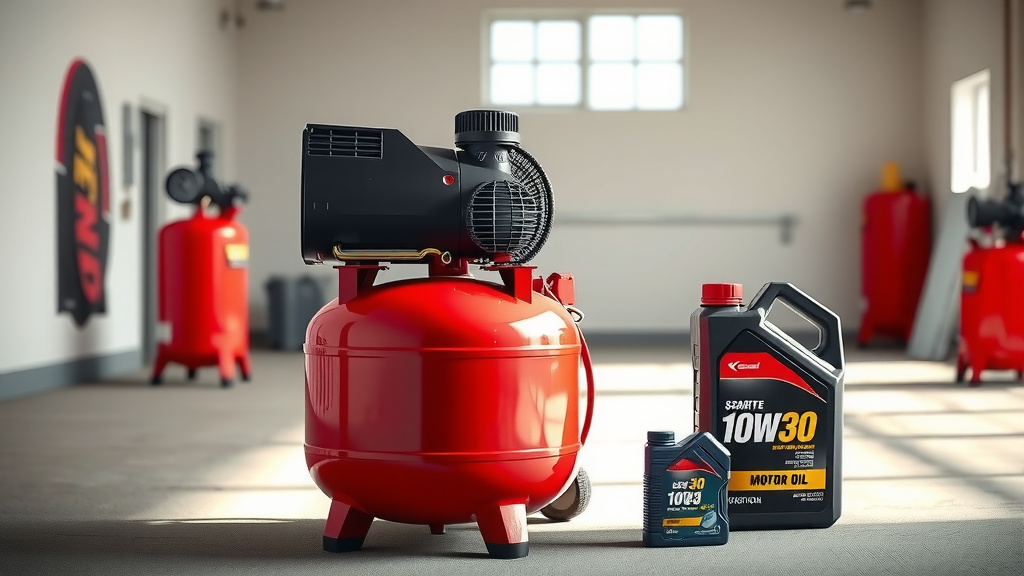
You generally should not use 10W30 oil in your air compressor. Most air compressors require a specialized, non-detergent oil designed to withstand the unique pressures and temperatures of compressor operation, which 10W30 engine oil is not formulated for.
Using 10W30 engine oil can lead to inadequate lubrication, premature wear of internal parts, and a shorter lifespan for your air compressor because it lacks crucial additives and has different viscosity characteristics.
- 10W30 engine oil is often not suitable for air compressors.
- Compressors need specific non-detergent oil with anti-foaming agents.
- Using the wrong oil can cause damage and void warranties.
- Always check your compressor’s manual for exact oil recommendations.
- The right oil ensures better performance and a longer compressor life.
Can I Use 10W30 In My Air Compressor?
In most cases, the straightforward answer is no, you cannot use 10W30 in your air compressor. While it might seem like a convenient substitute, engine oils like 10W30 are formulated for combustion engines, not for the unique demands of an air compressor.
We found that using the incorrect oil can cause significant issues. Your compressor has specific needs that general engine oil just cannot meet.
Understanding Air Compressor Oil Needs
Think of your air compressor as a finely tuned machine with its own personality. It needs specific care. The oil it uses is very different from what powers your car.
Air compressor oil is designed for high pressure, high heat, and continuous operation. It handles the constant compression and expansion cycles.
Many experts say that specialized compressor oil manages these conditions far better. It protects internal components from wear and friction.
What is 10W30 Oil, Really?
You might be familiar with 10W30 oil from your vehicle. The “W” stands for winter, indicating its cold-weather viscosity. It behaves like a 10-weight oil when cold and a 30-weight oil when hot.
This multi-viscosity property is great for engines, helping them start in cold weather and providing protection when warm. However, it also contains detergents that can cause trouble in a compressor.
Engine oils are also engineered to deal with combustion byproducts, which compressors do not produce. This is a key difference we found.
The Risks of Using 10W30
Using 10W30 in your air compressor introduces several risks. It is like giving a fish a bicycle; it just is not built for it. These issues can quickly add up to expensive problems.
- Reduced Lubrication: 10W30 often becomes too thin at the high operating temperatures inside a compressor. This leads to inadequate lubrication and increased friction.
- Overheating: Poor lubrication generates more heat. This can cause your compressor to run hotter than it should, straining the motor.
- Deposit Buildup: Engine oils contain detergents that clean engine parts. In a compressor, these detergents can cause foam and create carbon deposits on valves and cylinders.
- Voided Warranty: Most manufacturers explicitly state that using non-approved oils will void your warranty. This means no free repairs if something breaks.
- Moisture Issues: Compressor oil often includes rust and corrosion inhibitors. Engine oil might not offer the same level of protection against moisture buildup in the tank.
Impact on Compressor Lifespan
Your air compressor is an investment. You want it to last a long time, right? Using the wrong oil significantly shortens its life.
The increased wear and tear on pistons, rings, and valves means parts will degrade faster. This leads to reduced efficiency and eventual component failure, as research often connects oil quality with equipment longevity.
Checking Your Compressor Manual
When in doubt, your air compressor’s owner’s manual is your best friend. It contains the manufacturer’s exact recommendations. This guide is your ultimate resource.
It will specify the correct type, viscosity, and often a brand of oil to use. Always follow these guidelines to keep your compressor running smoothly (California Air Tools suggests following their oil specifications precisely).
The Right Oil for Your Air Compressor
So, what should you use? Most piston-driven air compressors typically call for SAE 30 non-detergent air compressor oil. Some rotary screw compressors use different specialized oils.
Many modern compressors also benefit from synthetic air compressor oils. These offer enhanced performance across a wider temperature range and longer drain intervals. They are often a great choice for heavy use.
Look for oils specifically labeled “air compressor oil.” These oils are formulated with the proper additives for anti-foaming, anti-rust, and high-pressure lubrication.
When *Might* 10W30 Seem Okay (But Still Isn’t Best)?
Some people wonder if 10W30 is acceptable in extreme cold. While multi-viscosity oils flow better when cold, it is still not the optimal choice for a compressor. Its detergents and lack of specific compressor additives remain problematic.
If you live in a very cold climate, seek out a synthetic compressor oil. These are designed to perform well in varying temperatures without the downsides of engine oil.
Table: Compressor Oil vs. Engine Oil
Here is a quick comparison to help you see the differences:
| Feature | Air Compressor Oil | 10W30 Engine Oil |
|---|---|---|
| Primary Function | Lubricates compressor pumps | Lubricates combustion engines |
| Detergents | Non-detergent | Contains detergents |
| Foaming | Anti-foaming additives | Can cause foaming in compressors |
| Carbon Deposits | Formulated to resist deposits | Can cause deposit buildup |
| Viscosity | Stable under pressure/heat | Thins significantly at compressor temps |
Checklist: Choosing the Best Compressor Oil
Feeling a little overwhelmed by oil options? No worries! Here is a simple checklist:
- Check your owner’s manual first.
- Look for oil specifically labeled “air compressor oil”.
- Confirm the correct SAE or ISO viscosity grade (e.g., SAE 30, ISO 100).
- Consider synthetic oil for better performance and cold weather.
- Ensure it is non-detergent unless your manual says otherwise.
Changing Your Compressor Oil
Using the correct oil is only half the battle. Regular oil changes are just as important. Over time, even the right oil breaks down and collects impurities. This is why you need to keep up with maintenance.
Refer to your manual for specific change intervals. Typically, oil needs changing every few months or after a certain number of operating hours. This routine maintenance will keep your compressor happy and healthy.
The Cost of “Saving” on Oil
It might seem like a way to save a few dollars now. Using 10W30 can feel like a quick win. However, the long-term costs often far outweigh any initial savings.
The price of a proper air compressor oil is minimal compared to replacing a damaged pump or even an entire unit. Invest a little more upfront to save a lot later. We found this to be a common theme in equipment maintenance.
Conclusion
So, while it is tempting to use 10W30 engine oil in your air compressor, the clear advice from experts is to avoid it. Your compressor is a hardworking piece of equipment designed for specific conditions. Giving it the right, specialized oil ensures it performs reliably and lasts for years. Always prioritize the manufacturer’s recommendations and choose oils specifically formulated for air compressors. Your compressor will thank you for it with years of dependable service.
What kind of oil can I use in my air compressor?
You should use oil specifically labeled for air compressors. This is typically an SAE 30 non-detergent oil for piston compressors or a specialized synthetic blend for other types, as recommended by your unit’s manufacturer.
What happens if I use motor oil in my air compressor?
Using motor oil can cause several problems, including inadequate lubrication, overheating, and the buildup of carbon deposits from detergents. This can lead to premature wear of parts, reduced efficiency, and potentially void your compressor’s warranty.
Is synthetic 10W30 okay for air compressors?
Even synthetic 10W30 engine oil is generally not recommended. While it offers better temperature stability than conventional 10W30, it still contains additives like detergents that are harmful to air compressor components and lacks the specific anti-foaming and anti-rust properties required.
How often should I change the oil in my air compressor?
The oil change frequency for your air compressor depends on its usage and the manufacturer’s recommendations. Many manuals suggest changing the oil every 3-6 months or after 100-200 operating hours. Always consult your owner’s manual for precise intervals.
Can I mix different types of air compressor oil?
It is generally not a good practice to mix different types or brands of air compressor oil. Mixing oils can lead to unpredictable chemical reactions, breakdown of additives, or changes in viscosity that might compromise lubrication and protection. Always stick to one type of recommended oil.
