Can I Use Air Compressor Oil In Air Tools?
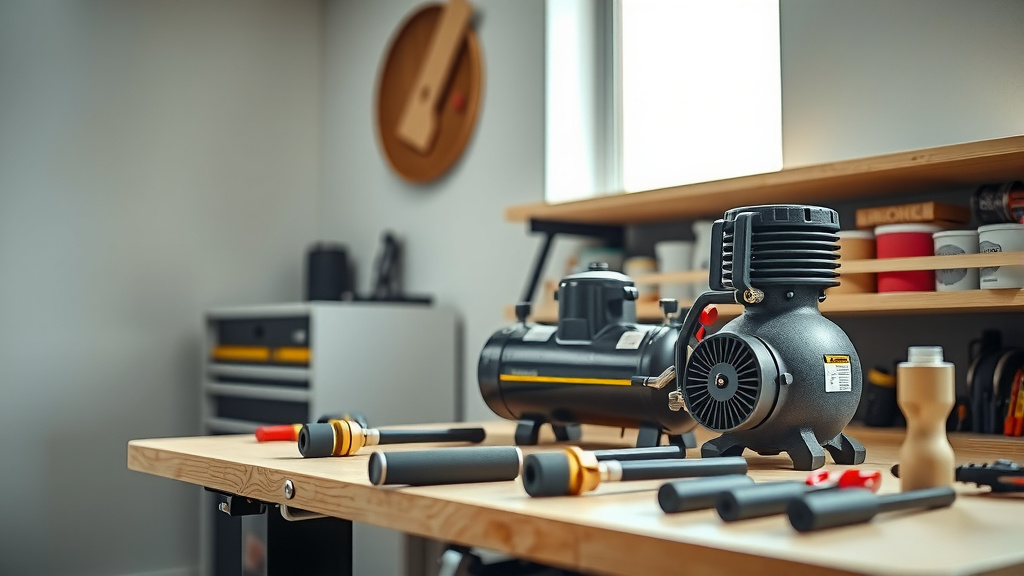
No, you absolutely should not use air compressor oil in air tools. These oils are formulated differently and using the wrong type can severely damage your air tools and void their warranty.
Air compressor oil is designed for the compressor’s internal components, while air tools require a specialized pneumatic tool oil for proper lubrication and performance.
Here’s a quick overview of what you’ll learn if you’re in a hurry:
- Compressor oil and air tool oil are vastly different.
- Using compressor oil in air tools will likely lead to damage.
- Always use a dedicated pneumatic tool oil for your air tools.
- Regular lubrication is key to extending the life of your tools.
Can I Use Air Compressor Oil In Air Tools?
No, you really can’t. This is a common question, and the short answer is a definitive no, even though both involve air and oil.
Understanding the Oil Differences
Think of it like putting diesel in a gasoline car. Both are fuels, but they are not interchangeable, right? The same goes for these oils.
Air compressor oil is specifically formulated for the high-pressure, high-temperature environment inside your compressor pump. It handles heat and pressure unique to that machine.
Pneumatic tool oil, on the other hand, is made for the unique needs of air tools. It lubricates internal parts, prevents rust, and often helps to clean components.
Why Compressor Oil Fails in Air Tools
Using compressor oil in your air tools can cause a few problems. It might be too thick for the tool’s small, quick-moving parts. We found that it can also contain detergents not suitable for air tool mechanisms (ISO 3448).
Many experts say that these detergents can break down seals and o-rings, leading to leaks and poor performance.
What Happens If You Use the Wrong Oil?
If you put compressor oil into an air tool, several bad things can happen. It’s like trying to fit a square peg in a round hole.
First, your tool might perform poorly. It won’t have the right lubrication, causing more friction and heat inside. This means less power and slower operation.
Second, you risk serious damage. The oil might gum up or cause seals to swell and break. This leads to costly repairs or even needing a new tool entirely.
Third, your warranty could be instantly voided. Manufacturers design tools to work with specific lubricants. Using anything else is a big no-no.
Consider the table below to see a quick comparison:
| Feature | Air Compressor Oil | Pneumatic Tool Oil |
|---|---|---|
| Primary Purpose | Lubricates compressor pump | Lubricates air tool motor/parts |
| Viscosity (Thickness) | Often thicker, varying grades | Lighter, specific for air tools |
| Additives | Anti-foaming, anti-wear, heat resistance | Rust inhibitors, moisture displacers |
| Impact on Seals | Can swell or degrade air tool seals | Safe for air tool seals |
The Right Way: Using Pneumatic Tool Oil
So, what should you use? Always, always use a dedicated pneumatic tool oil. This oil is specifically designed to keep your air tools running smoothly and reliably.
Many brands make this type of oil. It’s usually a lightweight, non-detergent oil that flows easily through the tool’s air motor. It lubricates the moving parts and helps to prevent rust from moisture that can build up inside.
Just a few drops before each use, or at the start of your workday, makes a huge difference. It’s like a tiny health booster for your tools.
Where Do You Apply Pneumatic Tool Oil?
It’s simpler than you might think. Most air tools have an air inlet where the air hose connects. That’s your spot!
Disconnect your tool from the air hose. Add about 2-3 drops of pneumatic tool oil directly into the air inlet. Reconnect the hose and run the tool for a few seconds. This helps distribute the oil internally.
Daily Lubrication: A Simple Habit, Big Rewards
Lubricating your air tools isn’t a chore; it’s an investment in their longevity. A little effort daily goes a long way.
Imagine forgetting to change your car’s oil. What happens? Engine trouble, right? Your air tools are similar. They need their own specific “oil change” every time you use them.
Beyond Oil: Other Air Tool Maintenance Tips
While oil is key, it’s not the only thing. Good air tool care also involves a few other simple steps.
- Drain Your Compressor Tank: Regularly drain moisture from your air compressor tank. This prevents rust in the tank and keeps water out of your air tools.
- Use an Air Filter: An air filter/regulator on your air line helps remove dirt and water from the air before it reaches your tools.
- Check Air Hoses: Inspect hoses for cracks or leaks. Leaky hoses reduce air pressure and waste energy.
- Clean Regularly: Keep the exterior of your tools clean. Dirt and grime can sometimes get into internal mechanisms.
Choosing the Right Pneumatic Tool Oil
When selecting pneumatic tool oil, look for products clearly labeled for air tools. Your tool’s manufacturer manual will often specify the recommended type or viscosity.
Many experts we found recommend non-detergent oils with rust inhibitors. These are generally the safest bet for most tools (Compressed Air and Gas Institute).
A Word on In-Line Oilers
For some users, especially those running tools frequently, an in-line oiler can be a fantastic addition. This small device connects to your air line and automatically adds a fine mist of oil to the air flowing to your tool.
It’s a set-it-and-forget-it solution for consistent lubrication, saving you time and ensuring your tools always get oil. Just remember to keep the oiler filled with the correct pneumatic tool oil.
The Cost of Neglect vs. Smart Care
It might seem like a small thing, but the choice of lubricant has big consequences. Skimping on the right oil or using the wrong type can cost you much more in the long run.
A few dollars for proper pneumatic tool oil is a minor expense compared to replacing a damaged air impact wrench or paint sprayer. Think of it as purchasing insurance for your tools.
Here’s a quick checklist for your air tools:
- Always use dedicated pneumatic tool oil.
- Apply 2-3 drops into the air inlet before each use.
- Never use air compressor oil in air tools.
- Check your tool’s manual for specific oil recommendations.
- Store tools properly in a dry environment.
Conclusion
When it comes to the question, “Can I use air compressor oil in air tools?” the answer is a firm no. These oils serve different purposes and are formulated uniquely for the specific environments they operate in. Using air compressor oil in your air tools will likely cause damage, reduce performance, and void your warranty. Instead, invest in a quality pneumatic tool oil and make a habit of regular lubrication. Your air tools will thank you with longer life and smoother, more reliable operation.
What is pneumatic tool oil made of?
Pneumatic tool oil is typically a lightweight, non-detergent mineral oil designed to lubricate the moving internal parts of air tools. It often includes special additives to prevent rust and help displace moisture, which is common in compressed air systems.
How often should I oil my air tools?
Many experts recommend oiling your air tools before each use, or at least at the beginning of every workday if you use them frequently. For occasional users, oiling before and after storage is a good practice to ensure lubrication and prevent rust.
Can I use 3-in-1 oil for my air tools?
While 3-in-1 oil is a general-purpose lubricant, it is generally not recommended for air tools. It can be too heavy and may contain detergents that are not suitable for the precision internal components and seals of pneumatic tools, potentially causing damage over time.
What are the signs that my air tool needs oil?
Signs your air tool needs oil include decreased performance or power, the tool running slower than usual, excessive heat generation, or a general “sticky” feeling in its operation. You might also notice unusual noises or sluggish movement of internal parts.
Do all air tools require oil?
Most rotary or percussive air tools (like impact wrenches, air ratchets, and grinders) require lubrication with pneumatic tool oil. However, some newer tools, especially those with composite bodies or advanced internal coatings, might be “oil-free” or “oil-less.” Always check your tool’s specific manufacturer guidelines to be sure.