
Do All Plasma Cutters Need Air Compressor?
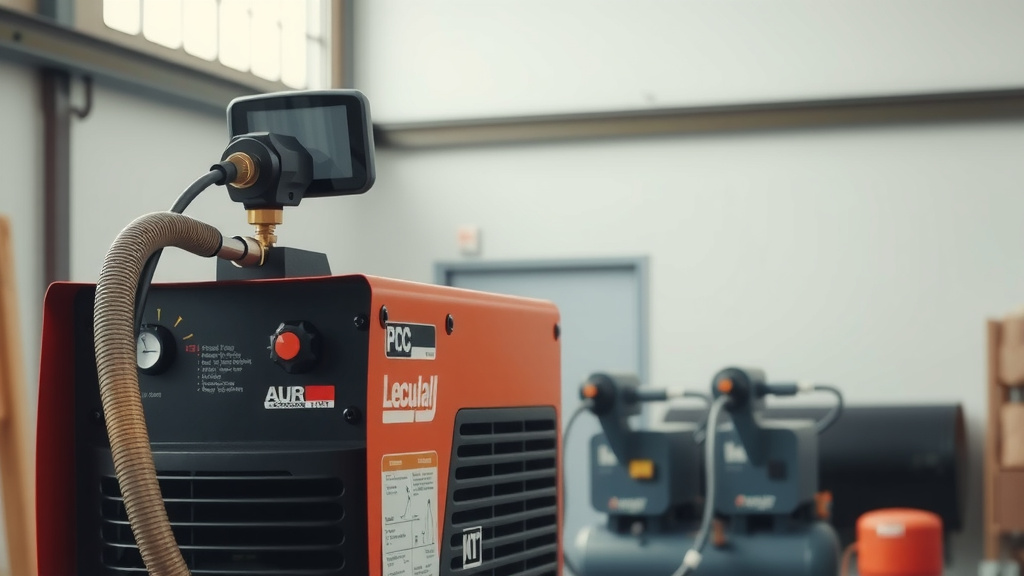
Yes, almost all traditional plasma cutters require an external air compressor to function properly, as compressed air is essential for creating the plasma arc and clearing molten metal from the cut path.
A small number of specialized, highly portable plasma cutters come with a built-in compressor, but these are less common and typically designed for lighter duty tasks.
Here’s a quick overview of what you’ll discover about plasma cutters and air compressors:
- Most plasma cutters rely on a separate air compressor for their power.
- Compressed air is vital for generating the superheated plasma stream and keeping the cut clear.
- While some portable models include a small built-in compressor, they often have limitations.
- Matching your plasma cutter’s CFM and PSI needs to your compressor is key for optimal performance.
- Clean, dry air is paramount; moisture and oil are the enemies of a good plasma cut.
Do All Plasma Cutters Need Air Compressor?
You might be wondering if your new plasma cutter will definitely need an air compressor, and for the vast majority of units, the answer is a resounding “yes.” Most plasma cutters rely heavily on an external air compressor to do their job effectively.
The Core Reason for Compressed Air
Think of it like this: a plasma cutter is a bit like a tiny, extremely hot lightning bolt. To create that bolt, you need gas. That gas is usually ordinary compressed air, which is readily available and affordable for most users.
How Air Creates Plasma
Inside your plasma torch, the compressed air is forced through a tiny nozzle. An electrical arc then heats this air to an incredibly high temperature, turning it into plasma. This superheated plasma stream then melts and cuts through conductive materials like metal.
Air Compressor vs. Built-In Plasma Cutters
When you look at the market, you’ll generally find two main categories. Most plasma cutters are designed to be hooked up to a separate air compressor. This setup gives you flexibility and power, letting you choose the compressor that best fits your work.
Understanding Integrated Units
There are indeed some smaller, more portable plasma cutters that come with a compressor built right in. These can be incredibly convenient, especially if you move your equipment often. However, we found that these integrated units often have lower duty cycles and aren’t typically suited for heavy-duty, prolonged cutting tasks.
Finding the Right Air Compressor for Your Plasma Cutter
Choosing the correct air compressor is a bit like picking the right shoes for a marathon – it has to fit just right! You wouldn’t want to run in flip-flops. Your plasma cutter needs specific air delivery, or it won’t perform as expected.
CFM and PSI – Your Key Numbers
The two most important specifications you need to match are CFM (Cubic Feet per Minute) and PSI (Pounds per Square Inch). Your plasma cutter’s manual will clearly state the required CFM at a certain PSI. Many experts say to choose a compressor that exceeds these requirements slightly to ensure consistent airflow (ESAB guidelines suggest this).
Tank Size Matters
While CFM and PSI are about how much air can be delivered, tank size influences how long that air can be supplied continuously. A larger tank provides a more consistent air supply, reducing how often the compressor motor has to kick on. This is important for smooth, uninterrupted cuts.
Air Quality is Non-Negotiable
Imagine trying to light a fire with wet wood – it’s just not going to work well, is it? The same goes for your plasma cutter and air quality. Many common issues arise from poor air quality, specifically moisture and oil.
Moisture and Oil Filters
Your air compressor draws in ambient air, which naturally contains moisture and sometimes oil, especially with oil-lubricated compressors. These contaminants can cause serious problems for your plasma cutter. Installing a good quality air filter and a water separator is a small investment that pays off big time in performance and longevity.
What Happens Without Clean Air?
Ignoring air quality is a recipe for trouble. You’ll likely encounter several frustrating issues if your compressed air isn’t clean and dry. We’ve found that these problems can quickly add up, costing you time and money:
- Poor Cut Quality: Jagged edges, dross, and incomplete cuts are common.
- Shortened Consumable Life: Electrodes and nozzles wear out much faster.
- Torch Malfunctions: The torch may not fire consistently or at all.
- Internal Damage: Moisture can corrode internal components of your plasma cutter.
- Inconsistent Arc: The plasma arc might flicker or lose power mid-cut.
Comparing Air Compressor Types for Plasma Cutting
When you’re looking for an air compressor, you’ll generally encounter two main types: piston and rotary screw. Both have their place, but one might be a better fit for your specific plasma cutting needs.
Piston vs. Rotary Screw
Piston compressors are more common for hobbyists and smaller shops due to their lower initial cost. Rotary screw compressors, while a bigger investment upfront, are designed for continuous, heavy-duty use and provide extremely consistent airflow, which is ideal for professional settings where the plasma cutter runs constantly.
| Feature | Piston Compressor | Rotary Screw Compressor |
|---|---|---|
| Initial Cost | Lower | Higher |
| Duty Cycle | Intermittent use | Continuous, heavy-duty |
| Noise Level | Generally louder | Quieter operation |
| Air Consistency | Good for short bursts | Excellent, very steady |
| Maintenance | Regular oil changes, filter checks | Generally less frequent, specialized |
Tips for Setting Up Your Air System
Once you have your plasma cutter and compressor, getting everything connected correctly is the next step. A proper setup can save you headaches and improve your cutting results. It’s about ensuring a smooth, unrestricted path for that vital compressed air.
Optimal Hose Length and Diameter
We found that using a hose that is too long or too narrow can lead to a pressure drop, meaning your plasma cutter won’t receive the required PSI. Always use a hose with an adequate internal diameter (often 3/8-inch or 1/2-inch) and keep its length reasonable to maintain optimal airflow.
When Can You Skip the External Compressor?
Are there situations where you can truly avoid an external compressor? Yes, but they are quite specific. These exceptions are typically found in highly specialized or very light-duty scenarios where portability is the absolute priority over power and continuous operation.
Specialty Portable Units
As we touched on earlier, some compact plasma cutters feature an integrated compressor. These units are fantastic for quick jobs in remote locations, or for hobbyists doing very occasional, light metal fabrication. However, for anything more demanding, you’ll still need the muscle of a separate air compressor. Many guidelines point to external compressors for professional-grade cutting (Lincoln Electric resources often mention this).
Conclusion
So, do all plasma cutters need an air compressor? For the vast majority of welding shops, fabrication businesses, and serious hobbyists, the answer is a definite yes. Your plasma cutter relies on a steady supply of clean, dry compressed air to create that powerful, precise cutting arc.
While a few portable units offer the convenience of a built-in compressor, they come with trade-offs in power and duty cycle. Investing in the right external air compressor, along with proper air filtration, is essential for achieving high-quality cuts, extending the life of your consumables, and ensuring your plasma cutting experience is as smooth and efficient as possible.
What kind of air compressor do I need for a plasma cutter?
You need an air compressor that meets or slightly exceeds your plasma cutter’s specified CFM (Cubic Feet per Minute) and PSI (Pounds per Square Inch requirements. Check your plasma cutter’s manual for these crucial numbers.
Can I use a regular shop air compressor for plasma cutting?
Yes, many regular shop air compressors can be used, provided they meet the CFM and PSI requirements of your plasma cutter. It’s also vital to ensure you have proper air filtration and a water separator installed to protect your plasma cutter.
What is the minimum tank size for a plasma cutter air compressor?
There isn’t a strict minimum, as it depends on your plasma cutter’s consumption and how long you plan to cut continuously. However, for consistent performance and to prevent the compressor from running constantly, a tank size of at least 20-30 gallons is often recommended for many common plasma cutters.
How important is an air dryer or filter for a plasma cutter?
An air dryer or filter is extremely important. Moisture and oil in compressed air can significantly reduce cut quality, shorten consumable life, and potentially damage your plasma cutter’s internal components. Always use a high-quality water separator and filter.
Do plasma cutters with built-in compressors cut as well as those with external ones?
Plasma cutters with built-in compressors offer great portability but often have lower power output and a limited duty cycle compared to units powered by external compressors. They are generally better suited for lighter, intermittent cutting tasks rather than heavy-duty, prolonged work.
