
Is It Okay To Leave Air In An Air Compressor?
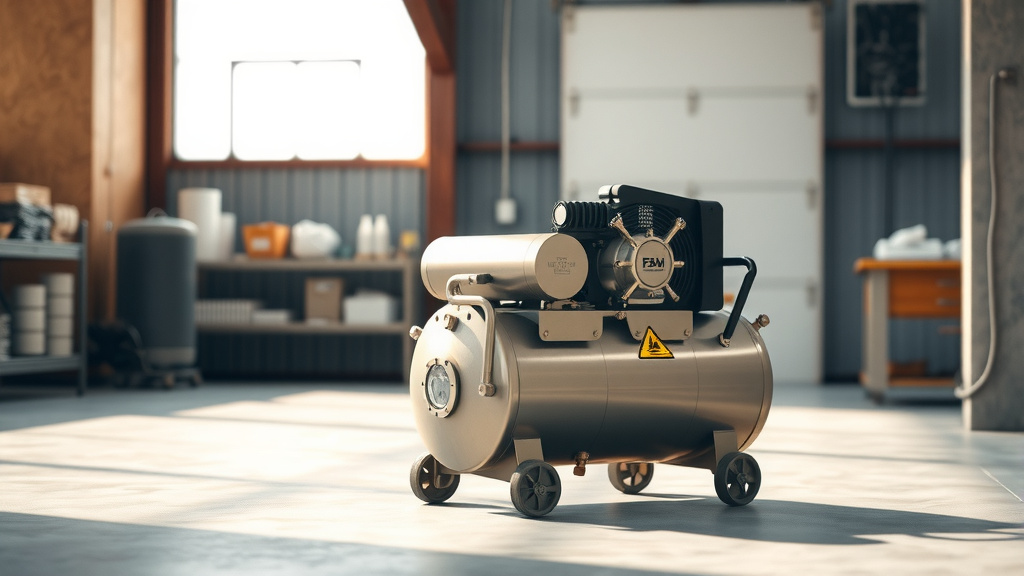
No, it is generally not okay to leave air in an air compressor for extended periods after use.
Leaving air in your air compressor can lead to rust and corrosion inside the tank, shortening its lifespan and creating potential safety risks over time.
- It is generally not recommended to leave air in your compressor tank for long periods.
- Condensation is the main culprit, forming water inside the tank and leading to rust.
- Rust weakens the tank, posing significant safety hazards like tank ruptures.
- Always drain your compressor after each use to keep it healthy and safe.
- While short breaks are fine, make draining a regular habit for compressor longevity.
Is It Okay To Leave Air In An Air Compressor?
No, leaving air in your air compressor for long periods is generally not a good practice. It sets the stage for internal rust and can shorten your compressor’s life significantly.
Why Draining Your Air Compressor is So Important
Think of your air compressor tank like a metal lung. Just as we breathe, your compressor takes in air. When it compresses air, it also compresses something else: water vapor. This vapor becomes liquid water inside the tank.
The Silent Enemy: Condensation
When warm, moist air cools inside your compressor tank after use, it creates condensation. This is the same process that makes your cold drink glass “sweat” on a hot day. This water collects at the bottom of the tank.
We found that many manufacturers and industry experts agree that this collected water is the number one enemy of your compressor tank’s integrity. It quietly works to damage your equipment from the inside out.
Protecting Your Investment
Your air compressor is a tool you rely on. By regularly draining the tank, you’re not just performing a chore; you’re actively protecting your investment. You ensure it works efficiently and stays safe for years.
When Is It “Okay” (Sort Of) To Leave Air In?
While the general rule is to drain, there are very specific, short-term situations where leaving air in might seem acceptable. But even then, caution is your best friend.
For Short Work Breaks
If you’re just stepping away for a coffee break or a quick lunch, leaving the air in is often fine. We’re talking about minutes or a couple of hours, not overnight or for days.
Small, Infrequent Use
For very small tanks used perhaps once a month for a quick task, some users might skip a drain occasionally. However, even with light use, water still collects. Many experts still advise draining these tanks to avoid internal corrosion (OSHA guidelines on compressed air safety).
The Dangers of Neglecting Your Air Compressor
Ignoring that collected water can lead to serious problems. These issues don’t just reduce efficiency; they can also pose real dangers.
Rust and Corrosion
The water inside your tank mixes with air and metal, a perfect recipe for rust. Rust eats away at the steel, making it thinner and weaker. This process is often invisible until it’s too late.
Tank Weakness and Failure
A rusted tank can become dangerously brittle. Over time, the constant pressure on weakened metal can lead to a catastrophic tank rupture. This is a rare event, but the results can be extremely dangerous, causing injury or even worse.
Reduced Air Quality
Water in the tank can also carry over into your air lines and tools. This reduces the quality of your compressed air, which can harm your air tools and affect tasks like painting or blasting. Wet air damages tools and ruins finishes.
Your Step-by-Step Draining Guide
Draining your air compressor is surprisingly easy. It takes only a few minutes and makes a big difference in the life and safety of your machine. Make it part of your routine.
- Turn off the compressor: First, always unplug your compressor from its power source. Safety first!
- Reduce tank pressure: Open the pressure regulator or use an air tool until the tank pressure drops significantly.
- Locate the drain valve: This is usually a small petcock or ball valve at the very bottom of the tank.
- Open the valve: Slowly open the drain valve. You’ll likely see air, then a spray of rusty water, followed by more air.
- Close the valve: Once only air comes out, close the drain valve tightly.
- Store properly: Your compressor is now ready for storage or its next use.
How Often Should You Drain?
The frequency of draining depends on how much you use your compressor and the humidity in your environment. We found that more use equals more water.
| Usage Level | Recommended Draining Frequency | Why This Matters |
|---|---|---|
| Daily (Heavy Use) | Every day after use | Frequent use generates lots of condensation. |
| Weekly (Moderate Use) | Once a week, or after each significant use | Regular use still builds up water. |
| Monthly (Light Use) | At least once a month | Even small amounts of water can cause rust over time. |
Daily Checks for a Healthy Compressor
To keep your compressor running smoothly and safely, make these quick checks a part of your daily routine. They only take a moment but can prevent major headaches.
- Drain the tank completely of all water.
- Check air filters for visible dirt and clean or replace as needed.
- Inspect hoses and fittings for any leaks or damage.
- Ensure the safety valve is working by pulling its ring briefly.
- Verify the pressure gauge is reading correctly.
Essential Safety Tips for Compressor Use
Beyond draining, a few other safety measures will keep you and your equipment safe. Always treat your air compressor with the respect it deserves, as it stores a lot of energy.
Always wear appropriate eye and ear protection when using a compressor and air tools. The noise can be significant, and debris can fly. Also, never point an air nozzle at yourself or another person. Compressed air can cause serious injury.
Conclusion
While the thought of leaving air in your compressor might offer a moment of convenience, the risks often outweigh any perceived benefits. Regularly draining your air compressor is a simple, yet vital maintenance step.
It protects against rust, prolongs the life of your equipment, and most importantly, ensures your safety. So, next time you finish a task, remember to release the pressure and drain that water. Your compressor will thank you for it!
Is it bad to leave an air compressor pressurized?
Yes, leaving an air compressor pressurized for extended periods is not good practice. The trapped moist air inside the tank cools, condenses into water, and can lead to internal rust and corrosion, compromising the tank’s integrity and safety over time.
How often should I drain my air compressor?
You should drain your air compressor daily if you use it frequently or for heavy tasks. For moderate use, draining weekly is recommended. Even with light or infrequent use, it’s best to drain the tank at least once a month to prevent water buildup.
What happens if you don’t drain your air compressor?
If you don’t drain your air compressor, water will accumulate inside the tank. This water causes rust and corrosion, which weakens the tank walls. Eventually, this can lead to tank failure, reduced air quality, and potential damage to your air tools.
Does compressed air have water in it?
Yes, compressed air always contains some amount of water vapor, which comes from the humidity in the ambient air. When this air is compressed, the water vapor concentrates and turns into liquid water (condensation) as the air cools inside the tank.
Can a rusty air compressor tank explode?
A severely rusted air compressor tank can indeed explode or rupture due to weakening of the metal walls. Rust reduces the tank’s ability to withstand pressure, making it a significant safety hazard. This is why regular draining and inspections are crucial.
