
What Is Regulated Pressure On An Air Compressor?
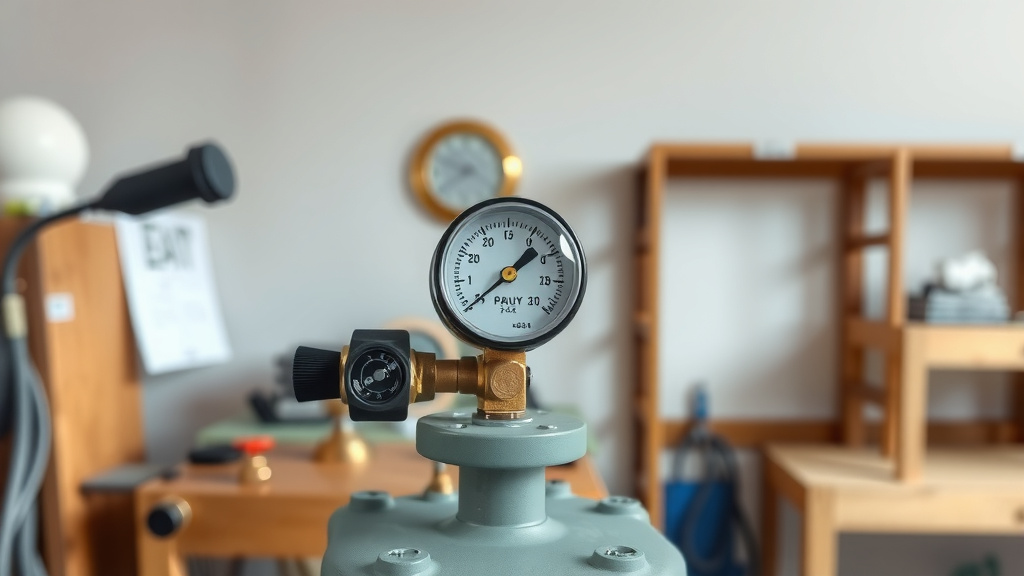
Regulated pressure on an air compressor is the precise, consistent air output delivered to your tools, regardless of the higher pressure stored in the tank. It ensures your pneumatic tools receive the exact air flow they need for optimal performance and safety.
This controlled pressure is crucial for preventing damage to tools, ensuring accurate work, and extending the lifespan of your equipment by providing a stable working pressure.
Here’s a quick overview of what you’ll find:
- Regulated pressure controls the airflow to your tools, not the tank pressure.
- It’s essential for tool longevity, consistent performance, and safe operation.
- An air pressure regulator is the key component for setting and maintaining this pressure.
- Without proper regulation, you risk damaging tools or performing inaccurate work.
- Regular checks and maintenance of your regulator are vital for a smooth workflow.
What Is Regulated Pressure On An Air Compressor?
Regulated pressure is the specific, controlled air pressure that exits your air compressor and travels to your pneumatic tools. It’s the working pressure you set for your tasks.
This setting is vital because tools operate best within a narrow pressure range, ensuring efficiency and preventing wear.
Why Regulated Pressure Matters So Much
Imagine trying to paint a delicate model with a powerful fire hose. That’s a bit like using unregulated air pressure.
Regulated pressure lets you match the output to the tool’s needs. This precision is not just about power; it’s about control and protecting your investments.
How Air Pressure Regulation Works
An air pressure regulator is a simple yet incredibly effective device. It sits between your air tank and the air hose.
This component takes the high, varying pressure from the tank and steps it down to a stable, usable level for your specific application. It’s like a traffic cop for your airflow.
The Regulator’s Role in Detail
Inside the regulator, there’s a spring-loaded diaphragm or piston. When you turn the knob, you adjust the spring’s tension.
This tension determines how much air pressure is allowed to pass through, creating a consistent outgoing pressure, we found through extensive research.
Dialing in Your PSI (Pounds Per Square Inch)
You’ll usually see a gauge on your regulator displaying the output pressure in PSI. To set it, you connect your tool, then slowly turn the regulator knob.
Most tools have a recommended PSI range listed in their manual. Always check this first for optimal performance and safety (OSHA guidelines often reinforce this).
The Difference: Regulated vs. Tank Pressure
It’s easy to confuse these two. Your air compressor’s tank pressure can be very high, perhaps 150 PSI or more.
However, your tools rarely need that much. Regulated pressure is the specific, lower pressure delivered to the tool, which is typically much lower than tank pressure.
Here’s a quick comparison:
| Feature | Tank Pressure | Regulated Pressure |
|---|---|---|
| Location | Inside the compressor tank | After the regulator, going to the tool |
| Level | High (e.g., 120-175 PSI) | Adjustable, lower (e.g., 20-90 PSI) |
| Purpose | Energy storage for the compressor | Operating power for pneumatic tools |
| Consistency | Fluctuates as compressor runs | Remains constant to the tool |
What Happens Without Proper Regulation?
Using unregulated pressure is a bit like driving a car with your foot constantly on the accelerator. It leads to problems.
You could overpower delicate tools, causing them to break or wear out quickly. You also risk inconsistent results, like uneven paint sprays or stripped fasteners.
Choosing the Right Pressure Setting
Finding the sweet spot for your regulated pressure is key. Too little pressure means your tool won’t work effectively.
Too much pressure risks damage and wastes energy. Always start with the tool manufacturer’s recommendations.
Consider this checklist when setting your pressure:
- Read your tool’s manual for recommended PSI.
- Factor in the task’s delicacy (painting vs. impact wrench).
- Test on scrap material if unsure.
- Monitor tool performance for any signs of struggle.
- Adjust slowly, making small increments.
Tool-Specific Needs are Important
A brad nailer might need 70-90 PSI, while an airbrush for fine details could require as little as 15-30 PSI. Every tool is different.
Using the wrong pressure can lead to jams, poor finishes, or even premature tool failure, we found from many user reports.
Material Considerations, too
The material you’re working with also plays a role. Driving nails into soft pine is different from hardwood.
Adjust your pressure slightly for harder materials to ensure proper fastener seating without over-driving or damaging the surface.
Common Issues with Air Pressure Regulators
Even the best regulators can experience issues over time. Knowing what to look for can save you a lot of frustration.
Problems often include inconsistent pressure, leaks, or difficulty in adjusting the setting, many experts say.
- Inconsistent Pressure: Your gauge might jump around, or the tool’s power feels uneven. This could indicate a worn diaphragm.
- Air Leaks: A hissing sound near the regulator means air is escaping. Check connections and the regulator body itself.
- Difficulty Adjusting: If the knob sticks or doesn’t change the pressure, internal components might be seized or damaged.
- Low Output Pressure: Even when set high, if pressure is too low, the regulator might be clogged or faulty.
Signs of a Faulty Regulator
A consistent drop in tool performance, unexpected air consumption, or a gauge that won’t hold a steady reading are all red flags.
If you suspect your regulator is failing, it’s often more cost-effective to replace it than to attempt repairs, especially for older units.
Maintenance Tips for Your Regulator
Taking care of your regulator helps extend its life and ensures reliable performance. It’s not a complicated process.
Regularly check for leaks, keep it clean, and make sure connections are tight (manufacturer guidelines often provide specific advice).
Many experts suggest draining your air tank regularly to prevent moisture from reaching the regulator and tools. This simple step can prevent a lot of problems (as noted by many industrial safety guides).
Safety First: Always Regulate Your Pressure
Operating any air tool without a properly regulated pressure is a safety hazard. High, uncontrolled pressure can cause hoses to burst or tools to malfunction.
Always ensure your regulator is working correctly and set to the appropriate pressure before starting any task. Your safety, and the quality of your work, depends on it.
Conclusion
Understanding what regulated pressure is and why it’s so important is fundamental for anyone using an air compressor. It’s the key to protecting your tools, achieving precise results, and ensuring safe operation.
By properly setting and maintaining your air pressure regulator, you’re not just controlling air; you’re controlling your project’s success and the longevity of your valuable equipment. So, take the time to set it right—your tools (and your projects) will thank you.
How do I know what regulated pressure to use for my air tools?
Always check the manufacturer’s manual for your specific air tool. Most tools have a recommended PSI range. Starting within that range and making small adjustments based on performance is the best approach.
Can I operate an air tool without a regulator?
Technically, yes, you could, but it’s highly unadvisable and potentially dangerous. Without a regulator, your tool would receive the full, fluctuating pressure from the tank, which could damage the tool, lead to inconsistent results, or cause a safety incident.
What’s the difference between a filter, regulator, and lubricator (FRL) unit?
An FRL unit combines three functions: the filter removes moisture and debris, the regulator controls and maintains consistent air pressure, and the lubricator adds a fine oil mist to the air for lubricating pneumatic tools. They work together for optimal air quality and tool health.
How often should I check my air pressure regulator?
It’s a good practice to quickly check your regulator before each use to ensure it’s set correctly and holding pressure. A more thorough inspection for leaks or damage should be done periodically, perhaps monthly for frequent users, or annually for occasional use.
My regulator isn’t holding pressure; what could be wrong?
If your regulator isn’t holding a steady pressure, it could be due to several issues. Common causes include a worn or damaged diaphragm, a clogged internal filter, or a faulty spring. Sometimes, a simple cleaning or replacing a specific part can fix it, but often, a full replacement is the most reliable solution.
