
What Is The Advantage Of A Two Stage Air Compressor?
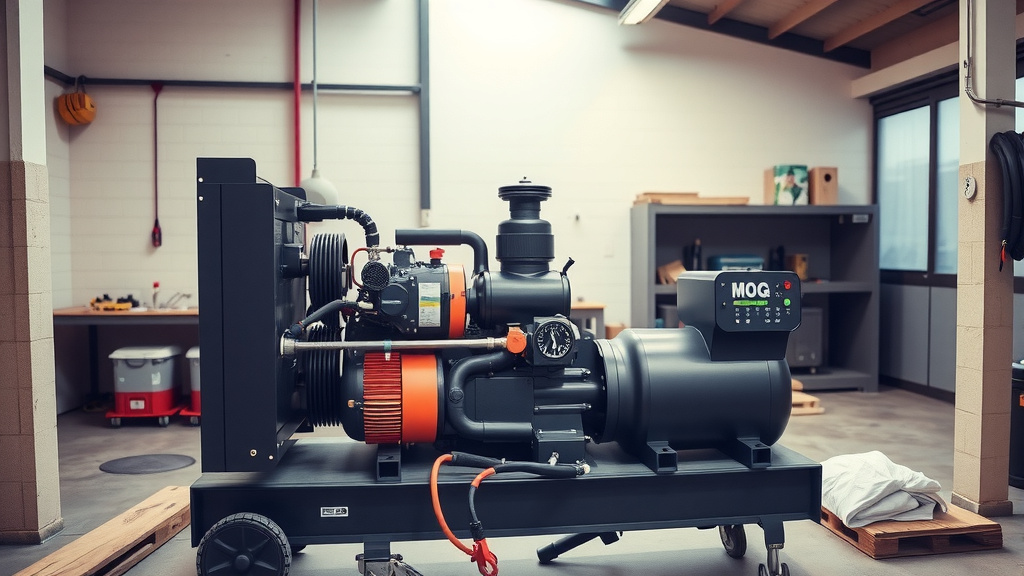
The main advantage of a two-stage air compressor is its ability to produce higher pressure (PSI) more efficiently and with less heat, making it ideal for continuous, heavy-duty applications.
You’ll find that a two-stage air compressor delivers a steady, powerful airflow, resulting in better performance for demanding tools and a longer operational lifespan for the unit itself.
- A two-stage compressor offers superior pressure and efficiency for serious work.
- It compresses air in two steps, leading to cooler operation and reduced wear.
- You’ll experience consistent power delivery, perfect for professional tools.
- Expect longer machine life and potentially lower energy bills over time.
What Is The Advantage Of A Two Stage Air Compressor?
A two-stage air compressor offers a significant advantage by compressing air in two steps, which allows it to reach much higher pressures more efficiently than its single-stage counterparts. This process makes it far better suited for demanding industrial tasks or workshops with heavy air tool usage.
Understanding the Two-Stage Difference
Think of it like a relay race. A single-stage compressor tries to do all the work in one sprint. A two-stage unit breaks the task into two manageable legs. This two-step process allows for more effective compression and less strain on the motor.
How Compression Works, Simply
In the first stage, air is drawn into a larger piston and compressed to an intermediate pressure. Then, this partially compressed air moves to a smaller, second piston. Here, it’s squeezed further to reach the final high pressure output. This sequential process is key to its performance.
Why Go Two-Stage? The Core Benefits
Choosing a two-stage air compressor brings several clear benefits. These advantages translate into better performance, greater durability, and smarter energy use for your operations.
Achieving Higher Pressures Consistently
One primary benefit is the capability to achieve and maintain higher PSI (pounds per square inch). Many demanding tools, like sandblasters or impact wrenches, require this consistent high pressure to perform optimally. A two-stage unit delivers this with ease, ensuring your tools run strong.
Boosted Efficiency and Savings
Because the work is split, the motor doesn’t have to work as hard during each compression stroke. This design leads to greater efficiency. Many experts agree that two-stage compressors use less energy to produce the same volume of high-pressure air, potentially saving you money on your electricity bills (Compressor World).
Cooler Operation Means More Power
Compressing air generates heat. By splitting the compression into two stages, with cooling between them, the overall operating temperature of the compressor is reduced. A cooler compressor means less wear and tear on internal components and a more stable output, which is a big plus.
Extended Compressor Lifespan
Less heat and reduced strain on the motor contribute directly to a longer life for your equipment. We found that two-stage compressors are built to handle heavier workloads and continuous operation, making them a more durable investment compared to single-stage models designed for intermittent use.
Smooth, Reliable Air Delivery
The two-stage design provides a much smoother and more consistent airflow. If you need a steady supply of air without pressure drops, this consistency is vital. Imagine painting a car; you wouldn’t want the air pressure to fluctuate mid-spray. This reliability ensures better project outcomes.
Single-Stage vs. Two-Stage: A Quick Look
Let’s quickly compare the two types to help you see the differences. Understanding these points can guide your decision, showing you when each compressor type truly shines. We often see workshops debating this choice.
| Feature | Single-Stage Compressor | Two-Stage Compressor |
|---|---|---|
| Max PSI | Lower (e.g., 90-135 PSI) | Higher (e.g., 175 PSI+) |
| Efficiency | Lower for demanding tasks | Higher, especially at high PSI |
| Heat Generation | Higher | Lower |
| Lifespan | Shorter with heavy use | Longer, built for continuous operation |
| Cost | Generally lower upfront | Higher upfront investment |
When a Two-Stage Compressor Shines Brightest
So, when should you really consider investing in a two-stage unit? It’s not for every casual DIYer, but for those with specific needs, it’s an absolute game-changer. You’ll find it excels in these situations:
- You regularly use high-demand air tools.
- Your projects require continuous air supply for long periods.
- You need consistent and high-pressure output (over 135 PSI).
- You’re looking for an investment that offers better longevity.
- Your aim is to reduce operating costs through efficiency.
Powering Demanding Tools
If your toolbox includes air-hungry tools such as rotary tools, air sanders, or professional paint sprayers, a two-stage compressor will keep them running without a hiccup. It provides the muscle these tools need to perform their best.
Ideal for Continuous Use
For auto shops, manufacturing facilities, or even serious home workshops where the compressor runs for hours on end, the two-stage design is superior. It’s built for this kind of work, offering reliability and endurance that single-stage models just cannot match.
Making the Right Choice for Your Needs
Deciding between a single-stage and a two-stage compressor really comes down to your specific demands. If your work involves intermittent, lighter tasks, a single-stage unit might be sufficient. However, for serious, continuous, and high-pressure applications, the two-stage compressor stands out as the clear winner.
Consider your tools, usage frequency, and desired lifespan. We found that choosing the right compressor can significantly impact your productivity and bottom line. Don’t compromise on power if your tasks demand it!
Conclusion
Ultimately, the advantage of a two-stage air compressor lies in its superior ability to deliver consistent high pressure, operate more efficiently, and offer a longer service life. While it represents a larger initial investment, the benefits of enhanced performance, durability, and potential energy savings make it a wise choice for anyone needing a robust and reliable air supply. It’s truly built for the long haul and the toughest jobs.
What kind of air tools benefit most from a two-stage compressor?
Tools requiring high PSI and continuous airflow, like commercial paint sprayers, large impact wrenches, sandblasters, and plasma cutters, benefit immensely. These tools need consistent power that a two-stage unit reliably provides.
Do two-stage compressors use more electricity than single-stage?
While often having larger motors, two-stage compressors are more energy-efficient at producing higher PSI and sustained airflow. They can actually use less electricity over time for demanding jobs because they operate more efficiently and cycle less often (National Renewable Energy Laboratory).
Are two-stage compressors louder than single-stage models?
Not necessarily. Noise levels depend more on the compressor’s specific design, motor type, and enclosure. Many modern two-stage compressors are designed with noise reduction in mind, similar to their single-stage counterparts. Check the decibel rating when comparing models.
How much maintenance does a two-stage air compressor require?
Regular maintenance for a two-stage compressor typically involves checking and changing the oil, inspecting belts, draining condensation from the tank, and replacing air filters. The more robust design often means less frequent major repairs compared to a single-stage unit pushed beyond its limits.
Can a two-stage compressor be used for light-duty tasks?
Yes, a two-stage compressor can certainly handle light-duty tasks, but it might be overkill. Using a powerful two-stage unit for simple jobs like tire inflation or dusting might mean you’ve over-invested. It’s best suited where its full power and efficiency can be fully utilized.
