What Is The Function Of The Air Compressor?
An air compressor takes regular air and squeezes it into a small space, creating powerful stored energy.
The primary function of the air compressor is to convert electrical or gasoline power into kinetic energy, ready to power tools or complete tasks.
Here’s a quick overview of what you’ll discover about air compressors:
- They transform power into pressurized air for many uses.
- Air compressors are **essential in garages**, factories, and even homes.
- You’ll find them powering tools from simple tire inflators to heavy machinery.
- Understanding their function helps you choose the right one for your needs.
- They make many everyday and industrial tasks **much easier and more efficient**.
What Is The Function Of The Air Compressor?
An air compressor functions by drawing in ambient air, compressing it to a higher pressure, and then storing this pressurized air for various applications, powering everything from wrenches to sandblasters.
What Exactly is an Air Compressor?
Imagine a powerful machine that inhales air, then squeezes it until it’s much denser. That’s essentially what an air compressor does. It’s like bottling up a gust of wind, but with **much more force**. This stored energy then waits to be released for your projects.
Think of it as an engine for many tools that don’t use electricity. We found that air compressors are the **backbone for pneumatic tools** across countless industries. Without them, many tasks would be far more difficult or even impossible to complete efficiently.
How Does an Air Compressor Really Work?
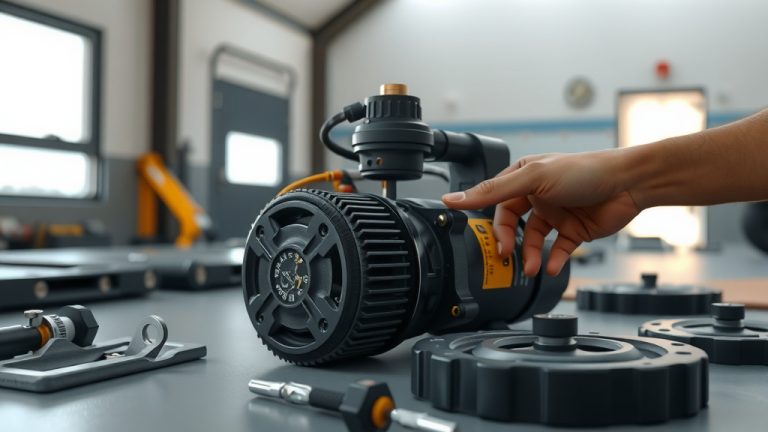
The concept is simple, yet the execution is clever. Air compressors have a motor that powers a pump. This pump pulls in air from the surrounding environment. It then reduces the volume of that air, which **raises its pressure**.
This high-pressure air is then directed into a storage tank. You now have a reservoir of potential energy. When you attach a tool, a valve opens, releasing this compressed air. It flows out, making your tool work. Many experts say this process is **remarkably efficient for power delivery**.
The Simple Science Behind It
It all comes down to a bit of physics. When you reduce the space air occupies, its molecules get closer together. This increases kinetic energy, which translates to pressure. This pressure is then **harnessed to do mechanical work**.
You’re essentially taking something freely available—air—and turning it into a controllable power source. It’s like charging a battery, but with air instead of electricity (National Institute of Standards and Technology).
Why Do We Even Need Compressed Air?
Why not just use electric tools? Good question! Compressed air offers unique benefits that electric power cannot always match. For instance, air tools often run cooler and can be lighter. They are also usually **more robust and durable**.
Many jobs are simply better suited for air power. Think about tasks where sparks might be an issue. Air tools eliminate that risk because they don’t have internal electric motors (Occupational Safety and Health Administration).
Boosting Efficiency and Making Tough Jobs Easier
Air compressors often make jobs quicker. They provide consistent, powerful force to tools like nail guns or impact wrenches. You can drive hundreds of nails in minutes or loosen stubborn bolts with ease. This **saves significant time and effort**.
Some tasks are just plain difficult without the right tools. Sanding a large surface, painting a whole car, or even inflating giant truck tires. These jobs are no match for the steady power of compressed air. It turns a grueling effort into a manageable one. An air compressor can **provide the muscle you need**.
Where Will You Find Air Compressors?
Air compressors are everywhere, often working behind the scenes. Once you start looking, you’ll notice them in countless settings. They are fundamental to modern living and industry. From small shops to massive factories, they are **quietly powering progress**.
From Your Garage to Healthcare Facilities
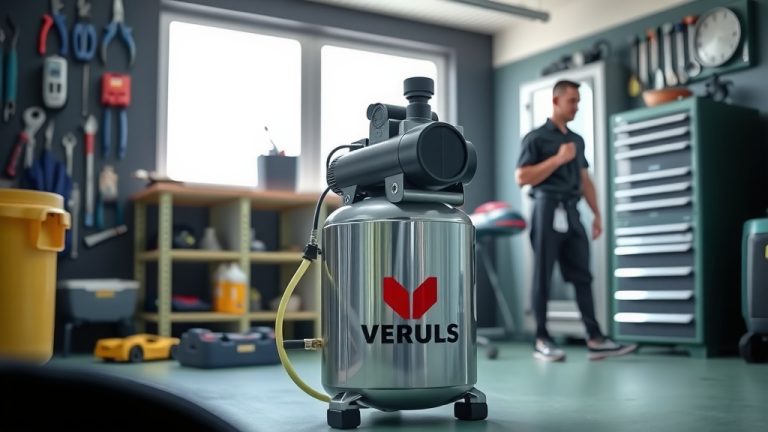
Do you need to inflate your car tires? Or maybe use an air wrench for a quick repair? Your home garage is a common spot for smaller air compressors. They are great for DIY projects, car maintenance, and cleaning tasks. Many DIY enthusiasts find them **very useful for hobby work**.
Venture into a manufacturing plant, and you’ll find large, powerful air compressors running constantly. They operate assembly lines, spray paint booths, and robotics. We found that industries like automotive, food processing, and textile manufacturing **rely heavily on compressed air**.
Even hospitals use air compressors! They provide clean, sterile air for medical devices, dental tools, and even ventilation systems. This is a specialized area requiring oil-free compressors to prevent contamination. Patient care often **depends on their reliable operation** (World Health Organization).
Main Types of Air Compressors
While they all compress air, not all compressors are built the same. Understanding the main types can help you grasp their varied applications. Each design has its strengths and is suited for **different kinds of work**.
Piston vs. Rotary Screw Compressors
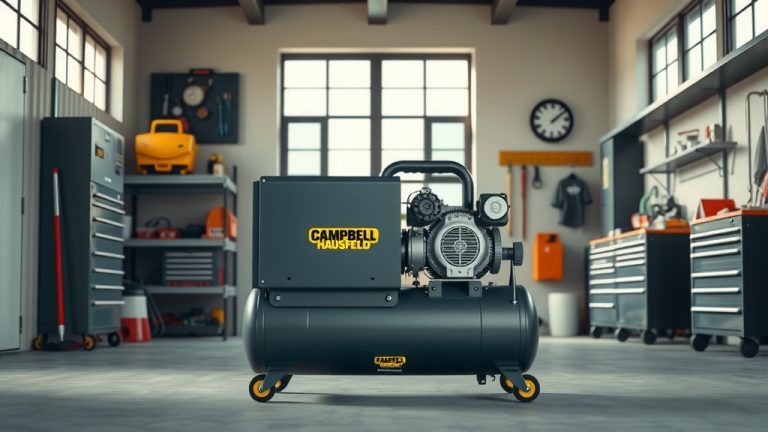
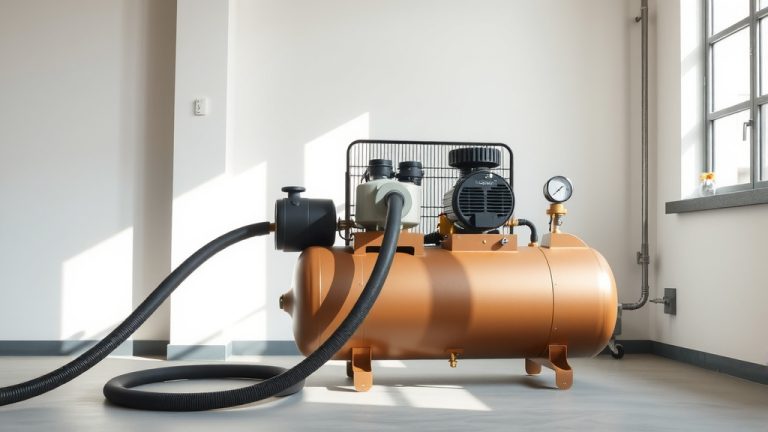
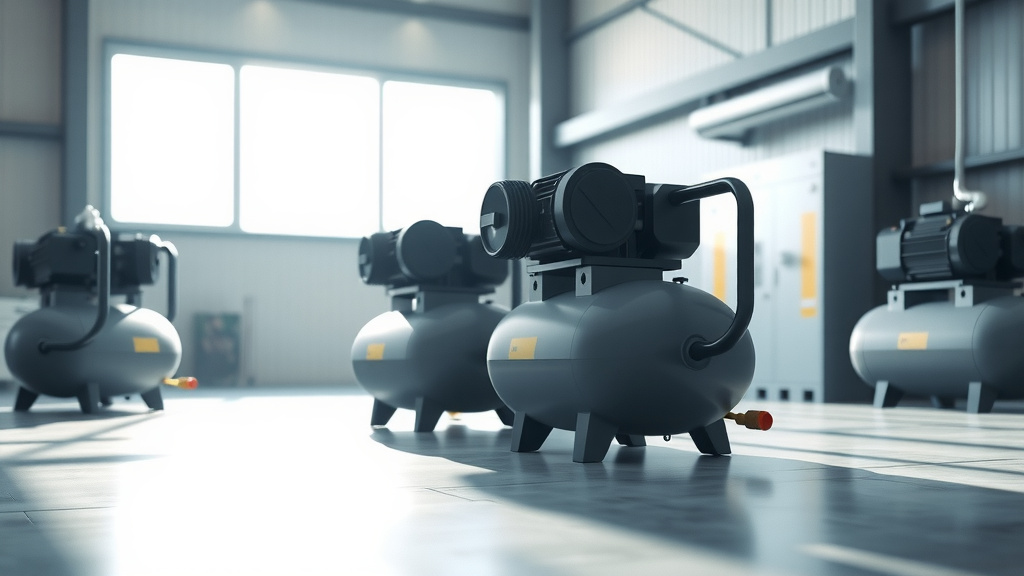
Piston compressors are perhaps the most common type, especially for smaller applications. A piston moves back and forth, drawing in air and then pushing it out under pressure. You’ll often hear a distinctive “thump-thump” sound from them. They are **reliable and easy to maintain** for intermittent use.
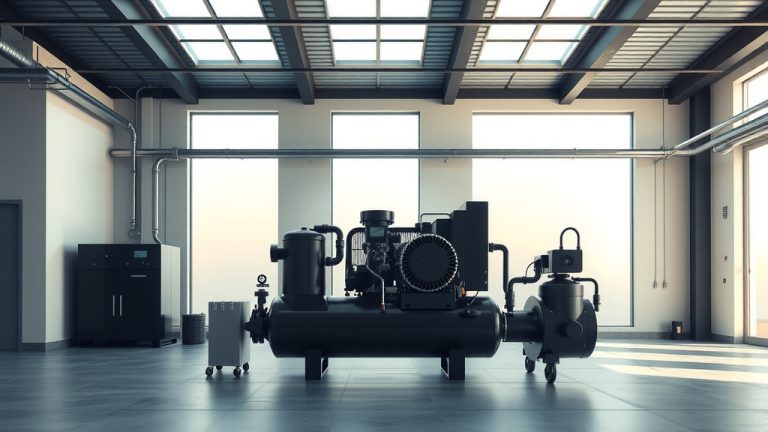
Rotary screw compressors are larger units that use two rotating helical screws to trap and compress air. They run continuously and are very efficient for industrial settings. You’ll find them in factories where a **constant, high volume** of compressed air is needed. Many businesses depend on their consistent performance.
Picking the Right Compressor for Your Needs
Choosing an air compressor isn’t one-size-fits-all. Your choice depends on what you plan to do with it. Think about your projects and the tools you’ll use. Selecting wisely saves money and ensures you have the **power you genuinely need**.
Understanding CFM, PSI, and Tank Size
Different tools require different amounts of air, measured in CFM (Cubic Feet per Minute) and PSI (Pounds per Square Inch). A small brad nailer needs much less than an automotive impact wrench. Always check the requirements of your most demanding tool. We recommend you **match the compressor’s output** to your tools’ needs.
The tank stores compressed air. A larger tank means the compressor won’t have to run as often, which is great for continuous use of certain tools. For short bursts of air, a smaller tank might be fine. But for painting or prolonged sanding, you’ll want a bigger tank to **avoid constant cycling**.
Comparing Compressor Strengths
Here’s a quick comparison to help you understand the differences between common compressor types:
| Feature | Reciprocating (Piston) | Rotary Screw |
|---|---|---|
| Operation | Intermittent | Continuous |
| Best Use | Small shops, DIY, garages | Industrial, manufacturing |
| Noise Level | Moderate to high | Lower (often quieter) |
| Efficiency | Good for intermittent loads | Very high for continuous loads |
Essential Maintenance for Longevity
Like any machine, air compressors need a little care to stay in top shape. Regular maintenance can significantly extend its lifespan and prevent costly breakdowns. Here’s a quick checklist to **guide you in its care**:
- Drain the tank regularly: Water condenses inside, causing rust if not drained.
- Check oil levels: If it’s an oil-lubricated model, proper oil is important for operation.
- Inspect air filters: A dirty filter reduces efficiency and can damage the motor.
- Tighten fasteners: Vibrations can loosen bolts over time, so check them often.
- Listen for unusual noises: Strange sounds often signal a problem before it gets worse.
- Clean external surfaces: Dust and grime can hinder cooling and motor performance.
Conclusion
So, what’s the core function of an air compressor? It’s all about converting raw power into versatile, pressurized air. This air then becomes the workhorse for an incredible range of tools and machinery. From your home garage to massive industrial plants, air compressors are **quietly enabling progress**.
Understanding how they work and their many applications helps you appreciate their significance. Whether you’re a hobbyist or managing a factory, these machines are **undeniably vital for efficiency**. Choose the right one, maintain it well, and it will serve your needs reliably for years to come.
Frequently Asked Questions About Air Compressors
What are the main safety precautions when using an air compressor?
When operating an air compressor, always wear appropriate eye and ear protection. Ensure the unit is on a stable, level surface. Do not point air nozzles at yourself or others, and always depressurize the tank before performing maintenance or storing the unit. Always read your owner’s manual for specific safety guidelines.
Can I use any air tool with any air compressor?
Not necessarily. Air tools have specific requirements for CFM (cubic feet per minute) and PSI (pounds per square inch). Your air compressor must meet or exceed these requirements for the tool to function properly and efficiently. Using an underpowered compressor will reduce tool performance and possibly damage the compressor over time.
How often should I drain the water from my air compressor tank?
We recommend draining the tank after every use, especially in humid environments. Water condensation is a natural byproduct of air compression. If left in the tank, it can cause rust and internal damage, which shortens the compressor’s lifespan. Some experts even suggest draining it daily if used continuously (Compressor Systems Handbook).
Are oil-free air compressors better than oil-lubricated ones?
It depends on your needs. Oil-free compressors require less maintenance and produce cleaner air, which is great for painting or medical uses. However, they can be noisier and may have a shorter lifespan than oil-lubricated models, which are generally more durable and quieter, but require regular oil changes. Each type has its own trade-offs.
What is the typical lifespan of an air compressor?
The lifespan of an air compressor varies widely based on its type, quality, usage frequency, and maintenance. A well-maintained residential piston compressor might last 5-10 years, while a heavy-duty industrial rotary screw compressor, with proper care, could easily operate for 15-20 years or more. Regular maintenance is the biggest factor.