
What Is The Most Quiet Air Compressor?
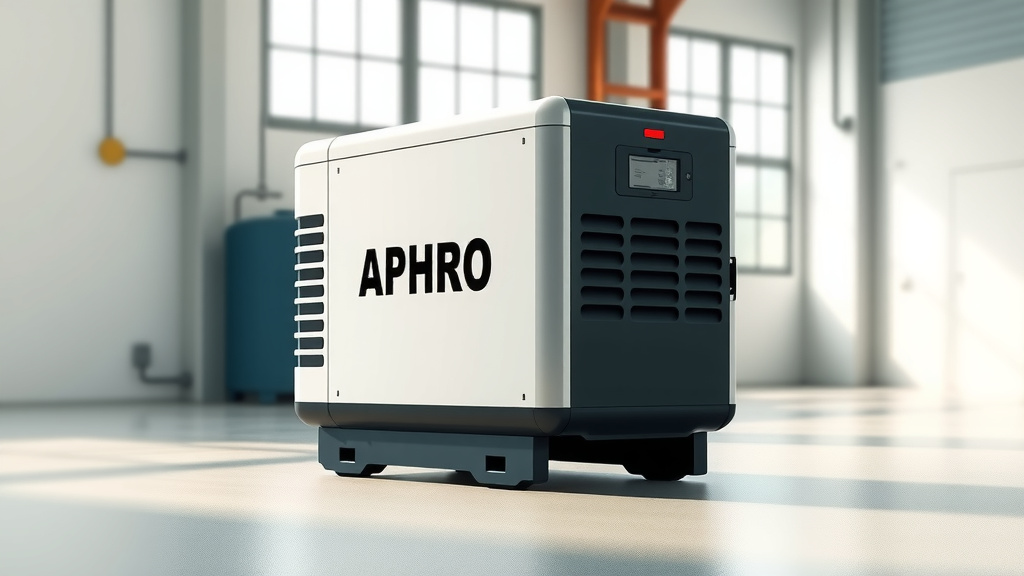
The quietest air compressors often utilize advanced designs like oil-free scroll or inverter technology, significantly reducing operational noise.
You can expect these models to produce around 40 to 60 decibels (dB), which is comparable to a refrigerator hum or a normal conversation.
- The quietest air compressors typically use **oil-free scroll** or **inverter technology**.
- They usually operate at a **decibel level below 60 dB**, making them much more comfortable to use.
- Look for features like **enclosed motors** and **rubber feet** to further minimize sound.
- Choosing a quiet model dramatically **improves your working environment** and reduces fatigue.
- Your specific application will help determine the **best quiet compressor** for your needs.
What Is The Most Quiet Air Compressor?
The most quiet air compressors are typically those designed with advanced noise-reduction technology, often operating at decibel levels comparable to normal speech.
You might wonder, “How quiet can an air compressor really be?” We found that significant strides have been made to create units that won’t disrupt your peace.
Understanding Decibel Levels
Decibel (dB) is the unit we use to measure sound intensity. Think of it like this: a whisper is around 30 dB, while a busy street is about 70 dB.
Most traditional air compressors can easily hit 80 to 90 dB, which is loud enough to require hearing protection if you’re working nearby.
How Quiet is “Quiet”?
For an air compressor, “quiet” usually means operating at 65 dB or less. Many top models boast ratings as low as 40-50 dB.
Imagine your air compressor running at the volume of your home refrigerator; that’s the kind of quiet we’re aiming for.
Types of Quiet Air Compressors
Not all compressors are created equal when it comes to noise. Certain designs are naturally quieter than others.
Let’s explore the technologies that allow some compressors to hum where others roar.
Oil-Free Scroll Compressors
These are often considered the champions of quiet operation. Scroll compressors use two interleaved spiral-like scrolls to compress air.
Because there’s no metal-on-metal contact or reciprocating pistons, they generate very little vibration and friction noise.
Many experts say **oil-free scroll compressors** are ideal for environments where noise is a major concern, like dental offices or labs.
Inverter Technology Compressors
Compressors with inverter technology can adjust their motor speed based on demand. This means they don’t always run at full throttle.
By modulating speed, they use less energy and produce less noise, particularly during periods of lower air demand.
We found that these are great for home workshops where you might only need air intermittently or for lighter tasks.
Piston Compressors with Noise Reduction
Traditional piston compressors can also be quieted. Manufacturers add features like sound-dampening enclosures and rubber feet.
These designs absorb vibrations and block sound waves, transforming a loud machine into a much more tolerable one.
While often not as quiet as scroll models, they offer a good balance of power and reduced noise for many users.
Key Features to Look For
When you’re shopping for a quiet air compressor, certain design elements truly make a difference.
Understanding these features will help you pick the best model for your specific needs.
Motor Design and Enclosures
Many quiet compressors feature **fully enclosed motors**. These enclosures act like a sound blanket, trapping noise inside.
Also, look for motors that are **induction-based** rather than universal, as they tend to run smoother and quieter.
Pump Technology
As mentioned, scroll pumps are inherently quiet. However, **oil-lubricated pumps** in general can also be quieter than oil-free piston pumps.
The oil helps reduce friction and wear, leading to smoother operation and less mechanical noise.
Tank Size and Usage
A larger air tank means the compressor cycles less often. If your tasks require air for short bursts, a larger tank prevents the motor from kicking on constantly.
Fewer start-stops equal less noise over time, which can make a big difference in your daily routine.
Benefits of a Quiet Compressor
Beyond simply avoiding a headache, a quiet air compressor offers several real advantages.
It can transform your workspace and even impact your overall well-being.
Working Comfort
Imagine being able to carry on a conversation or listen to music while your compressor is running. A quiet unit makes this possible.
You’ll feel less fatigued and more focused during longer projects when you’re not battling constant loud noise.
Health and Safety
Prolonged exposure to loud noise can cause hearing damage (National Institute on Deafness and Other Communication Disorders).
A quiet compressor protects your ears and creates a safer, less stressful environment for you and anyone else nearby.
Choosing the Right Quiet Compressor
The “best” quiet air compressor depends on what you plan to do with it. Let’s think about your specific applications.
Different tasks demand different features, even within the quiet compressor family.
Your Application Matters
Are you inflating tires once a month, or are you running pneumatic tools all day? Your usage frequency and power needs guide your choice.
Consider the tools you use and their CFM (Cubic Feet per Minute) requirements. This impacts the compressor’s necessary output.
Small Workshops and Home Use
For hobbies, nail guns, or small automotive tasks, a **portable, compact quiet compressor** around 1-3 HP with a 2-6 gallon tank might be perfect.
Many manufacturers now offer models specifically designed for quiet home use, often in the 50-60 dB range.
Professional Settings
If you’re in a dental office, a lab, or an auto body shop, you’ll need higher CFM and extremely low noise levels. Here, **oil-free scroll compressors** shine.
These larger, more robust units are built for continuous operation with minimal disruption to a professional environment.
Here’s a quick look at how decibel levels compare to everyday sounds:
| Decibel Level (dB) | Common Sound | Impact on Hearing |
|---|---|---|
| 30-40 dB | Whisper, Quiet Library | Safe and Relaxing |
| 50-60 dB | Normal Conversation, Refrigerator Hum | Comfortable, Low Impact |
| 70-80 dB | Vacuum Cleaner, Busy Street Traffic | Annoying, Potential Long-Term Risk |
| 90-100 dB | Lawnmower, Motorcycle | Requires Hearing Protection, Risk of Damage |
Before you make a purchase, consider these important points:
- Check the dB Rating: This is your most direct indicator of noise level.
- Consider Your Usage: How often and for what tasks will you use it?
- Review CFM Output: Does it meet the air demands of your tools?
- Look at Tank Size: A bigger tank means less frequent cycling, less noise.
- Read User Reviews: Real-world experiences can tell you a lot about actual noise levels.
- Verify Warranty: A good warranty offers peace of mind for your investment.
Conclusion
Finding the quietest air compressor isn’t just about avoiding a noisy nuisance; it’s about creating a more pleasant, productive, and safer work environment for yourself.
By focusing on models with advanced noise-reduction technology, like oil-free scroll or inverter types, and paying attention to their decibel ratings, you can discover a compressor that whispers rather than screams.
Remember, the right quiet compressor will feel like a silent partner, powering your projects without overpowering your senses. Make an informed choice, and enjoy the peace and quiet your workshop deserves.
What is the quietest air compressor brand?
While specific models vary, brands like California Air Tools, Rolair, and Makita are frequently mentioned for producing some of the quietest air compressors on the market. These companies often specialize in low-noise designs.
Can I make my existing air compressor quieter?
You can often reduce noise from an existing compressor by placing it in an enclosure with sound-dampening material, using anti-vibration mats underneath, or installing a quieter intake filter. These steps can help, but won’t typically match a purpose-built quiet model.
Are quiet air compressors less powerful?
Not necessarily. Quiet air compressors can be very powerful. Their reduced noise comes from design innovations, not usually from sacrificing performance. You can find quiet models with high CFM outputs suitable for demanding tasks.
Why are some air compressors so loud?
Traditional air compressors are loud because of the reciprocating motion of pistons, metal-on-metal friction, and the rapid intake and expulsion of air. These actions create significant mechanical noise and vibrations.
Is an oil-free compressor always quieter than an oiled one?
Not always. While many quiet compressors are oil-free (especially scroll types), some oil-lubricated piston compressors can also be designed for quiet operation by minimizing friction and enclosing components. It ultimately depends more on the overall design and engineering than just the presence of oil.
