
What Is The Most Reliable Air Compressor?
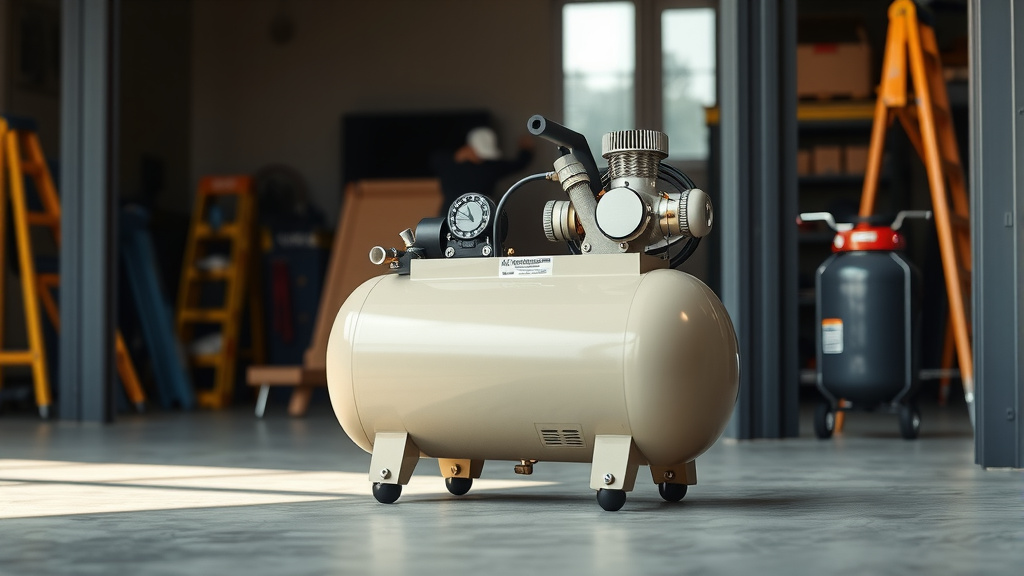
The most reliable air compressor for you largely depends on its intended use, build quality, and consistent maintenance.
Generally, rotary screw compressors are considered the most reliable for continuous industrial use due to their fewer moving parts and efficient design.
- For consistent industrial work, rotary screw air compressors often stand out as the most reliable.
- For home or intermittent shop tasks, a well-maintained piston compressor can be extremely dependable.
- Reliability also comes from choosing a reputable brand known for quality construction.
- Proper and regular preventative maintenance is just as vital as the compressor itself.
- Matching the compressor’s duty cycle to your needs prevents overuse, which boosts its lifespan significantly.
What Is The Most Reliable Air Compressor?
The most reliable air compressor is typically a rotary screw type for demanding, continuous operations. For smaller, intermittent jobs, a quality piston compressor offers excellent dependability.
You are looking for an air compressor that just works, right? We all want equipment that we can trust. When it comes to air compressors, reliability is a big deal.
Finding the “most reliable” isn’t a simple one-size-fits-all answer. Your needs shape what works best.
Understanding Air Compressor Types
Let’s look at the main types you will encounter. Each has strengths and weaknesses regarding reliability.
Piston (Reciprocating) Compressors
These are the workhorses for many home garages and small shops. Piston compressors use pistons to compress air.
They are known for their simplicity and repairability. Many experts say they are quite reliable for intermittent use (Compressed Air & Gas Institute).
Rotary Screw Compressors
If you need continuous air power, think rotary screw. These units use two rotating screws to compress air.
They have fewer moving parts compared to piston models. This design often leads to longer life and less maintenance for constant operation.
Scroll Compressors
Scroll compressors are quieter and often oil-free. They use two spiral-shaped scrolls to compress air.
Their smooth operation contributes to good mechanical reliability. They are popular in medical or laboratory settings.
Key Factors Influencing Reliability
Beyond the type, several things impact how long your compressor will last. Think of it like taking care of a car.
Build Quality and Materials
A compressor made with durable, high-quality components will always outperform a cheaply built one. Look for heavy-duty cast iron pumps and sturdy motors.
Research shows that robust construction directly affects lifespan (industrial studies indicate).
Duty Cycle Matching
Every compressor has a duty cycle, like how long it can run before needing to cool down. Matching this to your usage is vital.
Overworking a compressor will shorten its life rapidly. Don’t run a 50% duty cycle unit for eight hours straight.
Maintenance Habits
This is probably the biggest factor you control. Regular maintenance keeps your compressor running strong.
Changing oil, filters, and draining tanks prevents many common failures. It is like giving your compressor a health check.
Brand Reputation
Established brands often have better engineering and quality control. We found that companies like Ingersoll Rand, Quincy, and Atlas Copco have strong reputations.
They also provide better customer support and readily available parts. This makes repairs easier and quicker.
Choosing the Right Compressor for Your Needs
Your ideal reliable compressor depends on your specific application. Think about how you will use it every day.
For Home & DIY Use
A good quality piston compressor with an oil-lubricated pump is often best. They are affordable and robust for intermittent tasks.
Choose one with a larger tank for less motor run time. This reduces wear and tear.
For Professional Workshops
You might need a two-stage piston compressor or a small rotary screw unit. These offer more constant air delivery.
Consider units designed for **medium-duty continuous operation**. This investment pays off in less downtime.
For Industrial & Production Settings
A rotary screw compressor is the gold standard here. They are built for continuous, heavy-duty use.
Their efficiency and long life make them suitable for production lines. Many large facilities rely solely on them.
Checklist for Compressor Reliability
When you are shopping, keep these points in mind. They will help you pick a unit that lasts.
-
Adequate CFM Output: Does it meet your tool requirements? Always aim slightly higher.
-
Proper Horsepower: Is the motor powerful enough for the pump?
-
Tank Size: A larger tank means fewer motor cycles, extending motor life.
-
Oil or Oil-Free: Oil-lubricated often means longer life, but oil-free is cleaner.
-
Warranty: A good warranty shows manufacturer confidence in their product.
The Importance of Preventative Care
Even the best air compressor needs love. Preventative care is not just a suggestion; it is a necessity.
Routine Maintenance Schedule
Establish a schedule for oil changes, filter replacements, and tank draining. This keeps internal parts healthy.
Think of it as brushing your teeth; consistent small actions prevent big problems.
Monitor for Warning Signs
Listen for strange noises, check for leaks, and monitor air output. Early detection saves major repair costs.
A little hum might be fine, but a grinding sound is a **clear call for attention**.
Comparing Compressor Types for Reliability
Here is a quick overview of how common types stack up in different scenarios:
| Compressor Type | Best Use Case | General Reliability (with maintenance) |
|---|---|---|
| Piston (Oil-Lubricated) | Home, small shop, intermittent tasks | Very Good |
| Piston (Oil-Free) | Occasional home use, clean applications | Good (often shorter pump life) |
| Rotary Screw | Industrial, continuous operation | Excellent |
| Scroll | Quiet environments, medical, laboratory | Very Good |
Conclusion
There is no single “most reliable air compressor” for everyone. Your ideal choice blends the right type of compressor with proper usage and diligent maintenance. For heavy, continuous industrial work, the rotary screw typically offers the best long-term reliability. For home or workshop tasks, a well-built, oil-lubricated piston compressor, given regular care, will serve you faithfully for many years. Always remember, the best reliability comes from informed choices and consistent upkeep.
What factors contribute most to an air compressor’s lifespan?
The main factors contributing to an air compressor’s lifespan are its initial build quality, matching its duty cycle to your actual usage, and consistent preventative maintenance like oil changes and filter replacements.
Are oil-free air compressors less reliable than oil-lubricated ones?
Generally, oil-free air compressors tend to have a shorter pump lifespan than oil-lubricated models. This is because they rely on different materials and design for friction reduction, which can wear out faster without the benefits of oil.
How often should I perform maintenance on my air compressor?
Maintenance schedules vary by model and usage. However, most manufacturers recommend checking air filters weekly, draining the air tank daily to prevent rust, and changing oil (for oil-lubricated units) every 3-6 months or after a specific number of operating hours (refer to your manual).
Can a cheaper air compressor be reliable for light home use?
Yes, a cheaper air compressor can be reliable for light, intermittent home use if it’s from a reputable brand and you follow all maintenance guidelines. The key is not to overwork it and ensure it meets your basic CFM requirements.
What are the signs that my air compressor might be losing reliability?
Signs of decreasing reliability include unusual noises (grinding, knocking), reduced air pressure or inconsistent output, air leaks, excessive vibration, frequent motor cycling, or increased oil consumption. Addressing these early can prevent major breakdowns.
