
What Is The Quietest Air Compressor?
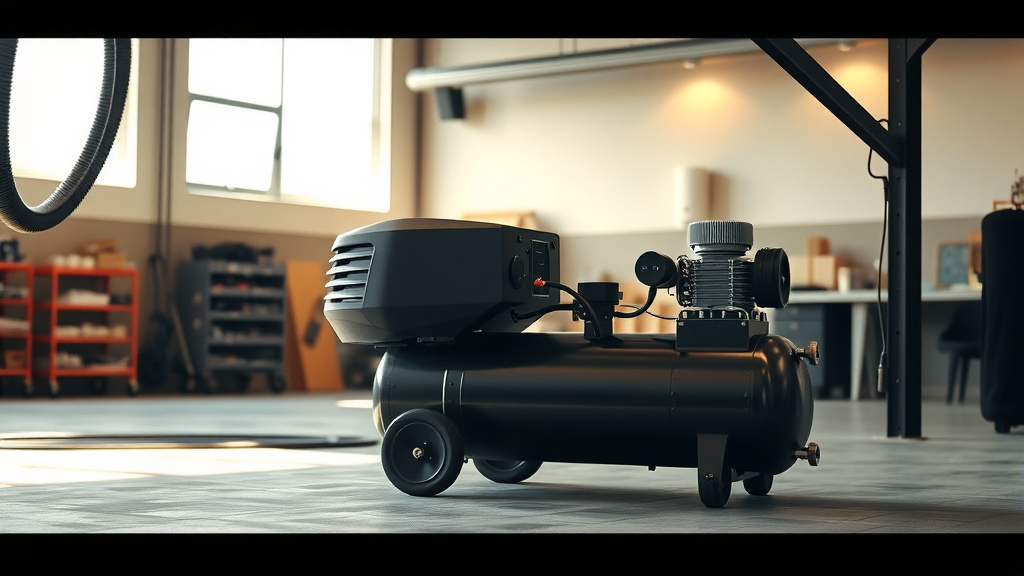
The quietest air compressor you can find typically operates below 60 decibels (dB), often in the range of 40-55 dB, which is comparable to a quiet refrigerator or normal conversation.
These whisper-quiet models usually achieve their low noise levels through design elements like induction motors, oil-lubricated pumps, and advanced dampening technology, making them ideal for indoor use or noise-sensitive environments where a quiet air compressor is essential.
- You’re looking for an air compressor that won’t give you a headache.
- The best quiet compressors operate around 40-55 dB, barely louder than a hum.
- Oil-lubricated and induction motors are key players in reducing noise.
- Consider features like isolation feet and enclosed designs for extra quietness.
- Your specific projects, from airbrushing to tire inflation, will guide your choice.
What Is The Quietest Air Compressor?
The quietest air compressor is one specifically engineered to produce minimal noise, often registering below 60 decibels (dB), making it perfect for your workshop or even home use without disturbing others. These silent giants deliver power without the typical air compressor roar, providing a much more pleasant working environment.
When you’re trying to get work done, loud tools can be a real distraction. Have you ever felt that annoying buzz in your ears after running a compressor? It’s not just irritating; it can also be bad for your hearing over time (CDC). That’s why many people, maybe even you, are searching for a quieter alternative.
Why Does a Quiet Air Compressor Matter to You?
Imagine working on a project in your garage without wearing ear protection. Or picture using your compressor late at night without waking the family. A quiet air compressor makes this possible. It’s not just about comfort; it’s about safety and productivity too.
A noisy machine can cause fatigue and even make it harder to focus. We found that a significant drop in decibel levels can transform your workspace. It shifts from a jarring racket to a manageable hum, letting you enjoy your hobbies more.
Understanding Decibels (dB): Your Noise Meter
Decibels are the units we use to measure sound intensity. To give you some context, a normal conversation is around 60 dB. A garbage disposal can hit 80 dB. And traditional air compressors? They often roar at 70 to 90 dB or higher.
A quiet air compressor aims to stay below that 60 dB mark. Some go as low as 40 dB. Think about the difference between a vacuum cleaner and a quiet library. That’s the kind of impact we’re talking about for your ears.
The Silent Stars: What Makes Them Quiet?
It’s not magic, it’s engineering. Quiet air compressors use several clever tricks to keep the noise down. We found that smart design choices are key to their silent operation.
- Oil-Lubricated Pumps: These pumps run smoother and cooler. This significantly reduces mechanical friction and noise, a big win for your ears.
- Induction Motors: Unlike universal motors, induction motors are brushless. They produce less vibration and heat, contributing to a much quieter hum.
- Enclosed Designs: Many quiet models feature a sound-dampening enclosure. This acts like a mini soundproof room for the noisy parts, trapping sound inside.
- Rubber Isolation Feet: These little feet do a big job. They absorb vibrations before they can travel through the floor and amplify the noise.
- Larger Tanks: A larger tank means the compressor runs less frequently. Fewer cycles mean less noise overall, giving you peace.
Comparing Noise Levels: Quiet vs. Standard
Let’s put it into perspective. A standard air compressor can sound like a lawnmower in your garage. You would definitely need hearing protection, or maybe even earplugs (NIH).
On the other hand, the quietest air compressors can sound like a humming refrigerator or even a quiet dishwasher. You can easily have a conversation next to them. This makes a world of difference for your comfort.
What Should You Look For in a Quiet Air Compressor?
Choosing the right quiet compressor involves more than just noise levels. You also need to consider its power and what you plan to use it for. Here’s a simple checklist to guide you:
- Decibel Rating: Aim for 60 dB or lower for true quietness.
- CFM (Cubic Feet per Minute): Match this to your tools’ air requirements.
- Tank Size: A larger tank means less frequent cycling, which equals less noise.
- Motor Type: Induction motors are generally quieter and more durable.
- Portability: Do you need to move it around often? Consider its weight.
- Oil-Free vs. Oil-Lubricated: Oil-lubricated are quieter but require maintenance.
Power and Quietness: Finding the Balance
You might think a quiet compressor has to be weak. That’s often not true. Many modern quiet models offer plenty of power for common tasks. We found that advancements in motor technology allow for both low noise and high performance.
You can find quiet compressors suitable for everything from airbrushing and finish nailing to inflating tires and even some automotive work. It’s about matching the CFM output to your specific tools.
Top Applications for Quiet Air Compressors
Who benefits most from a quiet machine? Pretty much anyone who uses an air compressor regularly. Here are a few common scenarios where a quiet model shines:
Home Workshops: If your workshop is attached to your home, noise is a big concern. A quiet compressor lets you work any time without disturbing your family. It’s great for woodworking or hobby projects.
HVAC and Automotive Work: Technicians working inside homes or in quiet auto shops need less intrusive tools. A quiet compressor helps maintain a professional and calm environment.
Art and Craft Studios: For delicate tasks like airbrushing, you need to concentrate. A quiet compressor won’t break your focus. It helps keep your creative flow going.
Medical and Dental Offices: Imagine a dental office with a roaring compressor! Impossible, right? Quiet compressors are essential here for patient comfort and professional settings (Dental Products Report).
Choosing the Right Size for Your Needs
Just like any tool, air compressors come in various sizes. A small, pancake-style quiet compressor is great for occasional tasks. For more demanding, continuous work, you might want a larger tank and higher CFM.
Think about how often you’ll use it and for what duration. This will guide your decision on tank size and horsepower. Remember, bigger isn’t always better if you don’t need the extra capacity.
Maintenance Tips for a Long-Lasting, Quiet Compressor
To keep your quiet compressor purring, a little care goes a long way. Regular maintenance helps it stay quiet and perform well for years. Think of it like taking care of your car; small steps make a big difference.
Here’s a quick guide:
| Maintenance Task | Frequency | Why It Helps |
|---|---|---|
| Drain Moisture from Tank | After each use | Prevents rust, extends tank life, keeps air dry |
| Check Oil Level (Oil-Lubricated) | Before each use | Ensures smooth operation, reduces wear and noise |
| Clean Air Filter | Monthly or as needed | Maintains airflow, prevents motor strain, reduces noise |
| Inspect Hoses & Fittings | Periodically | Prevents leaks, maintains efficiency, no noisy air escapes |
| Check for Loose Parts | Every few months | Tighten bolts, reduces vibrations and rattling noises |
Regularly draining the tank prevents rust, which can sometimes create unusual noises. Checking the oil (if applicable) keeps the pump running smoothly. We found that users who follow these simple steps generally report fewer issues and a consistently quiet machine.
Conclusion
Finding the quietest air compressor doesn’t mean sacrificing power or performance. It means making a smart choice for your comfort and workspace. By understanding decibel ratings and focusing on features like oil-lubricated pumps and induction motors, you can find a machine that truly enhances your projects without the irritating noise.
Investing in a quiet compressor is an investment in your peace of mind and productivity. So, go ahead and make some noise with your projects, but let your compressor stay silent. Your ears, and anyone nearby, will certainly thank you for it!
What is considered a quiet decibel level for an air compressor?
A quiet air compressor typically operates at 60 decibels (dB) or below. Many models specifically marketed as “silent” or “ultra-quiet” will fall in the 40-55 dB range, which is comparable to a quiet conversation or a running refrigerator.
Are oil-free air compressors generally quieter than oil-lubricated ones?
Despite popular belief, oil-lubricated air compressors are often quieter than their oil-free counterparts. The oil helps to reduce friction and dampen internal sounds, leading to a smoother, less noisy operation. Oil-free models can be louder due to their dry running components.
Can I make my existing air compressor quieter?
While you can’t drastically change its inherent design, you can take steps to reduce the noise of an existing compressor. You could place it on rubber isolation mats, build a sound-dampening enclosure around it, or ensure all parts are tightened to minimize vibrations. Proper maintenance also helps.
What kind of air tools work best with quiet air compressors?
Quiet air compressors are excellent for a wide range of air tools, especially those used in sensitive environments. They are ideal for airbrushing, finish nailing, stapling, inflating tires, dusting, and powering smaller automotive tools. Always check the CFM requirement of your tools against the compressor’s output.
Do quiet air compressors cost more?
Generally, quiet air compressors do tend to have a higher upfront cost compared to standard, noisier models with similar power. This is due to the advanced engineering, specialized components, and sound-dampening materials used in their construction. However, the benefits in terms of comfort and versatility often justify the investment.
