How To Use 12V Air Compressor?
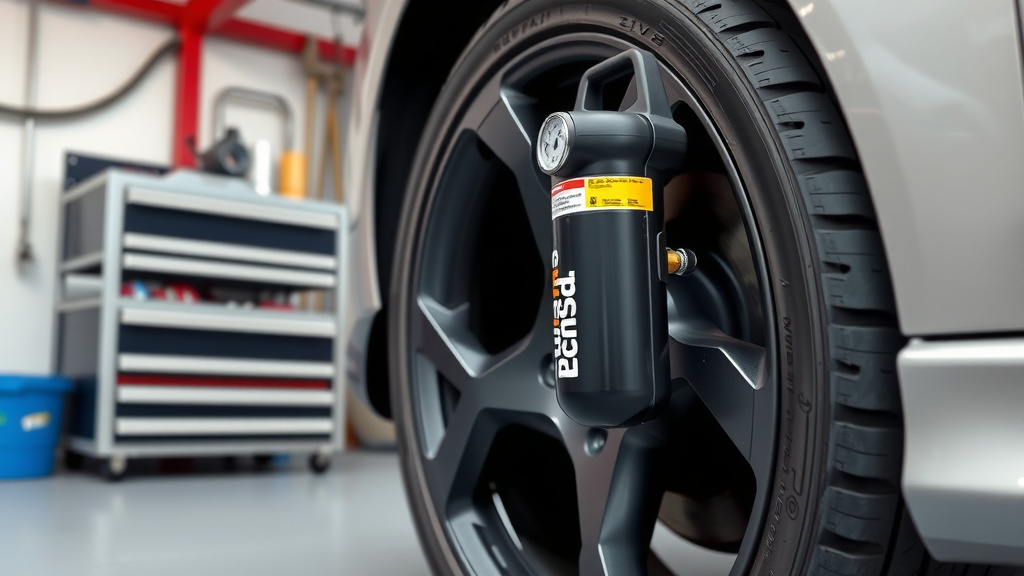
To use a 12V air compressor, you simply connect it to your vehicle’s 12V power outlet (like the cigarette lighter or battery terminals), attach the hose to the item you want to inflate, set the desired pressure, and turn it on.
These portable 12V air compressors are incredibly handy for inflating car tires, bike tires, sports equipment, and even air mattresses quickly and efficiently when you’re on the go.
- Connect your 12V air compressor to a compatible vehicle power source.
- Securely attach the air hose to the item needing inflation.
- Always check and set the correct pressure (PSI) before starting.
- Monitor the inflation process closely and disconnect promptly.
- These devices are essential for roadside tire emergencies and recreational inflation needs.
How To Use 12V Air Compressor?
Using a 12V air compressor involves connecting it to your car’s power, attaching the nozzle to your item, and starting the inflation process. It is a straightforward task that anyone can master quickly.
Why Everyone Needs a 12V Air Compressor
Imagine you’re driving, and your tire pressure warning light comes on. Or perhaps you’re at the park, and the kids’ soccer ball is flat. A 12V air compressor makes these moments easy to handle.
These compact devices are true game-changers for unexpected situations. They offer peace of mind, knowing you can manage minor inflations yourself, wherever you are.
Understanding Your Compressor’s Parts
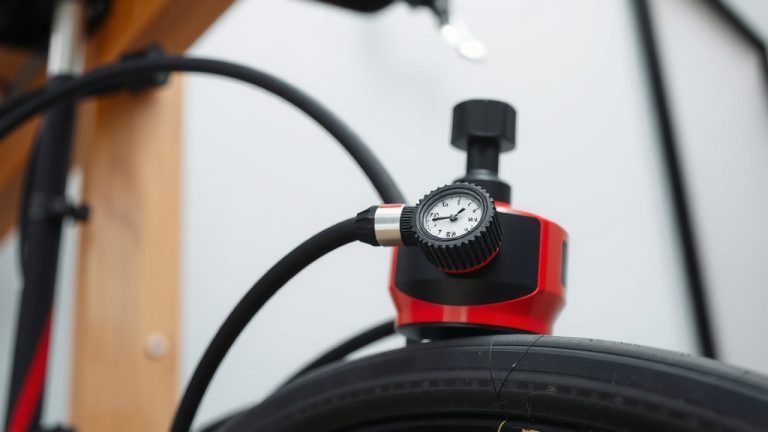
Before using your compressor, get to know its basic components. You’ll typically find a power cord with a plug (for a 12V outlet or battery clamps), an air hose with a nozzle, and a pressure gauge.
Some models also include various adapters for different valves, like those for sports balls or inflatable toys. Knowing these parts helps you operate it safely and effectively.
Safety First: Before You Begin
Safety should always be your top concern when using any electrical equipment. First, make sure your vehicle is parked on a flat, stable surface and the parking brake is engaged.
Many experts recommend wearing eye protection, like safety glasses, whenever working with compressed air (OSHA guidelines). This simple step can prevent dust or debris from causing injury.
Checking Your Vehicle’s Power Source
Your 12V air compressor needs power, usually from your vehicle. You might plug it into the cigarette lighter port, or it may have clamps for direct connection to your car battery terminals.
If using the cigarette lighter, ensure your vehicle’s engine is running to prevent draining the battery. For battery clamps, always connect the red clamp to the positive (+) terminal first, then the black clamp to the negative (-) terminal.
Step-by-Step Guide to Inflation
Let’s walk through the actual inflation process. It’s simpler than you might think, and we’ll cover each part clearly.
1. Powering Up Your Compressor
Once you’ve connected the compressor to your vehicle’s power source, whether it’s the cigarette lighter or battery clamps, you’re ready to proceed. Make sure the compressor’s power switch is off before plugging it in.
This prevents any sudden starts and gives you full control. Many car manuals suggest having the engine running while using the cigarette lighter port to maintain battery charge.
2. Attaching the Air Hose
Now, take the air hose and securely attach its nozzle to the valve stem of the item you want to inflate. For tires, you’ll typically screw it on until it’s snug, but not overtightened.
If you’re inflating a sports ball or an air mattress, you will likely need to use one of the included adapter nozzles. Ensure a tight seal to prevent air from escaping during inflation.
3. Setting the Right Pressure (PSI)
Before you turn on the compressor, know your target pressure. For car tires, you’ll find the recommended PSI (Pounds per Square Inch) on a sticker inside your driver’s side door jamb (NHTSA recommends checking this).
For other items like bicycles or sports equipment, the correct PSI is usually printed directly on the item itself. Never overinflate, as this can be dangerous and damage the item.
4. Starting the Inflation Process
With everything connected and your target PSI in mind, turn on your 12V air compressor. You will hear it start to hum or buzz as it begins to pump air.
Keep a close eye on the pressure gauge, which will show the current PSI. Many experts suggest staying near the compressor during operation to monitor progress.
5. Monitoring and Disconnecting
As the pressure approaches your target, be prepared to turn off the compressor. Once the desired PSI is reached, immediately switch off the unit and then carefully disconnect the nozzle from the valve stem.
A quick twist usually works for tire valves, while adapters might just pull off. Be aware that a small burst of air might escape when you disconnect, which is normal.
When to Use Your 12V Air Compressor (and When Not To)
Your 12V compressor is perfect for personal vehicles, motorcycles, bikes, and various inflatables. It’s your go-to for roadside tire top-ups or preparing for a camping trip.
However, these units are not built for continuous, heavy-duty industrial work or inflating large commercial truck tires. They often have a “duty cycle” meaning they need cool-down periods to avoid overheating.
Pro Tips for Compressor Longevity
To keep your 12V air compressor working well for years, follow some simple advice. Always allow the unit to cool down between uses, especially after inflating multiple tires.
Store it in a dry, clean place away from extreme temperatures. Periodically check the hose and connections for any cracks or wear, ensuring they remain in good condition.
Troubleshooting Common Issues
Sometimes, things don’t go perfectly. If your compressor isn’t turning on, first check the power connection and your vehicle’s fuse for the 12V outlet. A blown fuse is a common culprit.
If inflation seems too slow, ensure all connections are tight and there are no air leaks. Sometimes, the tire valve stem might be faulty, causing air to escape even with the compressor attached.
| Feature | What to Look For | Why It Matters |
|---|---|---|
| Max PSI | Higher than your vehicle’s requirement | Ensures it can inflate your tires fully |
| Airflow (CFM/LPM) | Higher numbers are better | Determines how fast it inflates |
| Duty Cycle | Expressed as % (e.g., 20% at 100 PSI) | How long it can run before needing to cool |
| Gauge Type | Digital or Analog | Digital offers more precise readings |
| Nozzle Adapters | Variety of sizes | Allows inflation of different items |
Maintenance Checklist for Your 12V Compressor
- Clean the air filter regularly to ensure optimal performance and prevent debris from entering the motor.
- Check the power cable and plug for any signs of wear, fraying, or damage before each use.
- Inspect the air hose and all connections for cracks or leaks; replace if necessary to maintain efficiency.
- Store the compressor in a cool, dry place, protecting it from moisture and direct sunlight.
- Ensure all included nozzles and adapters are present and clean for quick access during future uses.
- Empty any moisture traps if your model includes one, which helps to prolong the life of the internal components.
Conclusion
Using a 12V air compressor is a straightforward skill that offers significant peace of mind and practicality. By understanding its parts, following safety guidelines, and knowing the simple steps for operation, you’ll be well-prepared for common inflation tasks.
These handy tools are more than just gadgets; they are essential companions for road trips, daily commutes, and recreational activities. Keep your compressor well-maintained, and it will serve you reliably for many years to come.
What is the main advantage of a 12V air compressor over a regular foot pump?
The main advantage is speed and effort. A 12V air compressor inflates items much faster and with no physical exertion required from you, making it far more convenient for tires and larger inflatables compared to a manual foot pump.
Can I leave my 12V air compressor plugged into the car’s cigarette lighter all the time?
We do not recommend leaving your 12V air compressor plugged in constantly. While some vehicles might not drain the battery, it’s generally a good practice to disconnect it when not in use to avoid accidental power drain or potential fuse issues.
How long does it typically take to inflate a flat car tire with a 12V air compressor?
The time varies greatly depending on the compressor’s airflow (CFM/LPM) and the tire’s size. Many smaller, portable units might take anywhere from 5 to 15 minutes to inflate a completely flat standard car tire to its recommended pressure.
Is it safe to use a 12V air compressor in rainy or wet conditions?
It’s generally not recommended to use electrical devices like a 12V air compressor in heavy rain or very wet conditions. Moisture can damage the internal components and pose an electrical hazard. Always try to find a dry spot or wait for better weather.
What should I do if my 12V air compressor starts to overheat?
If your 12V air compressor starts to feel excessively hot or makes unusual noises, immediately turn it off and disconnect it from the power source. Allow it to cool down completely before attempting to use it again. Overheating often occurs from prolonged continuous use beyond its recommended duty cycle.