
How To Use Air Compressor As Pressure Washer?
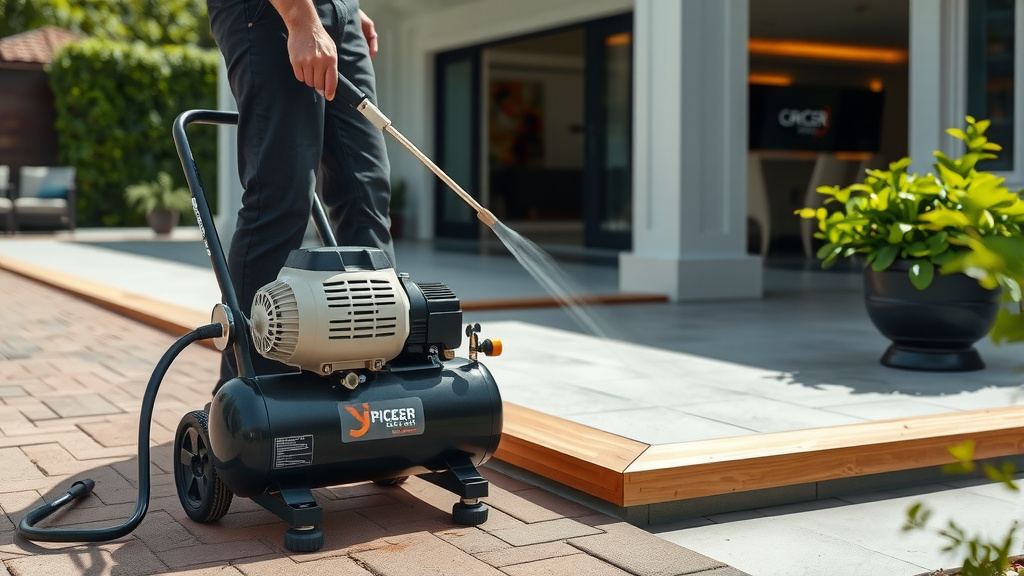
Yes, you can use an air compressor as a pressure washer by connecting it to a specialized water spray gun or a pressure washer attachment that mixes the compressed air with a water source.
This setup allows you to create a high-velocity stream of water suitable for various cleaning tasks, though it typically won’t match the extreme pressure of a dedicated pressure washer.
Here’s a quick overview of what you’ll learn in this guide:
- You can create a basic pressure washing function using your air compressor.
- You’ll need specific attachments like a water spray gun designed for air pressure.
- Safety is paramount, always wear eye protection and gloves.
- This method is great for light to medium cleaning, not heavy-duty tasks.
- For maximum power, a dedicated pressure washer is always the best choice.
How To Use Air Compressor As Pressure Washer?
You can certainly use an air compressor for pressure washing by combining it with a water source and the right adapter or spray gun. This method creates a powerful spray for many cleaning jobs, giving you more utility from your existing air compressor.
Understanding the Concept: Air Meets Water
Imagine your air compressor pushing water out at a much faster rate. That’s the core idea here. Instead of just air, you’re using that powerful air stream to propel water. This creates a focused, high-speed jet capable of dislodging dirt and grime.
It’s a clever way to expand your cleaning arsenal. You’re essentially turning one tool into a multi-tasker. Many experts say this combination offers a handy solution for various chores (Popular Mechanics).
Why You Might Consider This Setup
Perhaps you already own a good air compressor and want to avoid buying another large machine. Or maybe you have smaller cleaning jobs that don’t need the extreme force of a full-blown pressure washer. This approach can save you space and money.
It’s also great for areas where a traditional electric pressure washer might be inconvenient. Think about remote spots or places without easy power access. Your air compressor, often portable, can offer a flexible solution.
Essential Equipment You’ll Need
Before you start, gather all your gear. Having everything ready makes the process smooth and safe. Think of it like baking a cake; you need all the ingredients first!
Choosing the Right Air Compressor
Your air compressor needs enough muscle. We found that a compressor with at least 5-6 CFM (cubic feet per minute) at 90 PSI is generally recommended. A larger tank helps maintain consistent pressure without constantly cycling.
A smaller, pancake-style compressor might work for very light tasks, but you’ll likely experience frequent pauses. For reliable performance, aim for a compressor that can keep up with a steady demand for air.
Key Attachments and Accessories
This is where the magic happens! You’ll need specific parts to turn air into a water jet.
- Air-Powered Water Spray Gun: This is crucial. It connects to both your air hose and a water hose, mixing the two streams.
- Garden Hose: To supply the water. Make sure it reaches your working area comfortably.
- Air Hose: To connect your compressor to the spray gun. Ensure it’s rated for the pressure your compressor produces.
- Appropriate Fittings and Connectors: Quick-connect fittings make setup and breakdown much easier.
- Safety Gear: Eye protection, gloves, and sturdy footwear are non-negotiable.
Prioritizing Safety: A Must-Do
Working with compressed air and high-pressure water can be risky if you’re not careful. Think of it like handling power tools; respect their potential. Many guidelines point to wearing safety goggles and hearing protection as a good first step (OSHA guidelines).
Always ensure all connections are secure and leak-free. A loose fitting could become a dangerous projectile under pressure. Keep children and pets away from your work zone. Your safety, and theirs, is paramount.
Step-by-Step Setup Guide
Ready to get this thing going? The setup is fairly straightforward once you have your components. Follow these steps carefully to ensure everything works correctly.
Connecting the Components (Checklist)
Use this checklist to make sure you don’t miss anything:
- Connect your air hose to the air compressor’s output port.
- Attach the other end of the air hose to the air inlet on your specialized water spray gun.
- Connect your garden hose to the water inlet on the spray gun.
- Ensure the garden hose is connected to a reliable water supply and turn it on.
- Double-check all connections to confirm they are tight and secure.
- Put on your safety glasses and gloves.
Operating Your Hybrid Cleaning System
Now that everything is hooked up, let’s get cleaning! Remember, practice makes perfect. Start in an inconspicuous area if you’re unsure.
Tips for Effective Cleaning
To get the best results, keep these pointers in mind:
- Start with a low-pressure setting: You can always increase it if needed. This prevents damage to sensitive surfaces.
- Maintain a consistent distance: Holding the nozzle too close can strip paint or damage surfaces.
- Use sweeping motions: Work in even strokes, overlapping slightly to avoid streaks.
- Always aim away from people and pets: The water stream is powerful and can cause injury.
- Consider detergents: Some spray guns have a detergent reservoir. If yours does, use appropriate, pressure-washer-safe soaps.
Understanding Its Limitations
While versatile, an air compressor setup isn’t a silver bullet. It’s important to have realistic expectations. It won’t blast off years of caked-on mud like a commercial-grade pressure washer might.
Research often connects dedicated pressure washers with significantly higher PSI and GPM values (industry standards). This means they move more water at higher force. Your air compressor setup is more akin to a strong garden hose sprayer with an extra kick.
| Feature | Air Compressor + Water Gun | Dedicated Pressure Washer |
|---|---|---|
| Pressure (PSI) | Lower (often 100-300 PSI equivalent) | Higher (1500-4000+ PSI) |
| Water Flow (GPM) | Lower | Higher |
| Cost | Potentially lower (if you own compressor) | Moderate to High |
| Portability | Often good for compressor already owned | Varies (electric or gas) |
| Heavy-Duty Cleaning | Limited effectiveness | Excellent effectiveness |
Maintenance and Care After Use
Just like any tool, your setup needs a little love after each use. Proper maintenance extends the life of your equipment and ensures it’s ready for the next job.
First, disconnect the water supply and drain any remaining water from the gun and hose. Then, release all air pressure from the compressor and the air hose. Store everything in a clean, dry place to prevent rust and damage.
When a Dedicated Pressure Washer is Best
For those big, tough jobs, a dedicated pressure washer is simply unmatched. If you’re cleaning large driveways, stripping paint, or tackling stubborn, embedded grime, you’ll need the power and consistent flow that only a purpose-built machine can offer.
Think of cleaning a large commercial building or preparing a surface for painting. For these kinds of tasks, the investment in a dedicated unit pays off. It’s about matching the tool to the task, like using a hammer for nails and a screwdriver for screws.
Conclusion
Using an air compressor as a pressure washer is a smart, budget-friendly solution for many common cleaning tasks. It transforms your existing air compressor into a versatile tool for your garage, patio, or vehicle. By understanding the necessary equipment, following safety guidelines, and recognizing its limitations, you can effectively tackle light to medium dirt and grime.
Always remember that while this setup offers great utility, it’s not a direct replacement for a high-powered, dedicated pressure washer for heavy-duty cleaning. Choose the right tool for the job, and you’ll always achieve the best results.
Can a small air compressor work for this?
A very small air compressor (like those for tires) might not provide enough sustained pressure and airflow for effective cleaning. While it might produce a weak spray, you’ll likely find it frustratingly slow and inefficient for most tasks. A compressor with at least 5-6 CFM at 90 PSI is a better starting point.
What cleaning power can I expect?
You can expect cleaning power comparable to a very strong garden hose sprayer, but not the intense force of a dedicated pressure washer. It’s good for rinsing dirt from cars, cleaning patio furniture, or washing off loose grime. Don’t expect it to remove tough stains or strip paint efficiently.
Is it safe for all surfaces?
Because the pressure is generally lower than a dedicated unit, it’s often safer for more delicate surfaces like painted car finishes or wood decking. Always start with the lowest pressure setting and test on an inconspicuous area first. Avoid aiming directly at electrical components or fragile materials.
Can I add soap or detergent?
Yes, many specialized air-powered water spray guns have a small reservoir for detergent. If your attachment has one, you can add pressure washer-safe cleaning solutions. Follow the instructions for your specific spray gun and the detergent you choose for best results.
How long does setup typically take?
Once you have all the necessary parts, setting up an air compressor as a pressure washer is quite quick. Most users report that connecting the air hose, water hose, and spray gun takes only about 5-10 minutes. The biggest time investment is often gathering the right components initially.
