
Do You Need a Check Valve on Your Air Compressor?
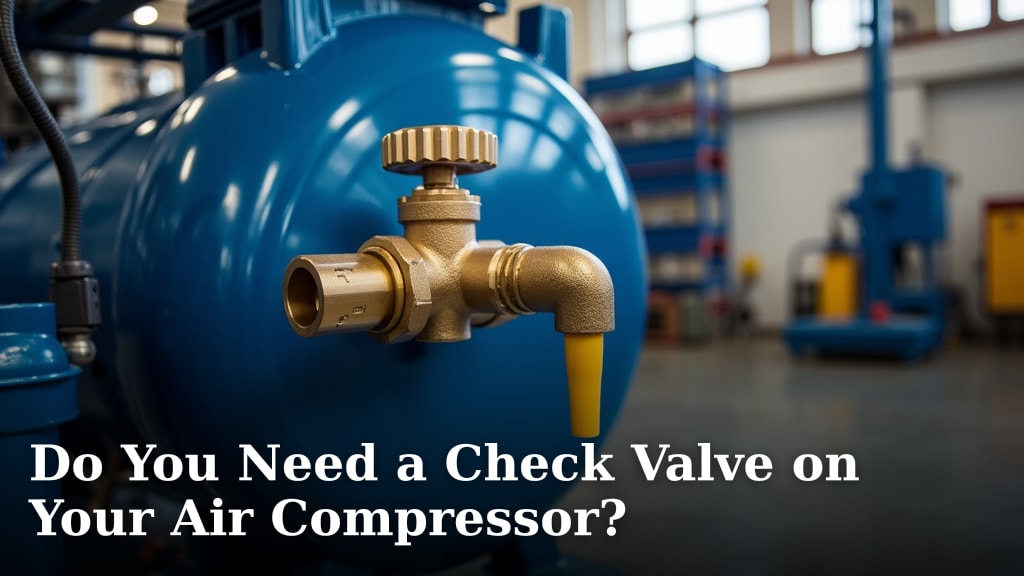
Yes, you absolutely might need a check valve on your air compressor, and it’s often a very good idea for several important reasons. It acts as a one-way gate for your air, preventing backflow that can damage your equipment and cause air loss. Not having one can lead to trouble down the road.
Think of it like this: your compressor works hard to build pressure. Without a check valve, that hard-earned air can sneak back out when the compressor isn’t running. This can mean your compressor has to work even harder the next time it starts, potentially shortening its lifespan and wasting energy.
- A check valve prevents air from flowing backward.
- This protects your compressor’s motor and internal parts.
- It helps maintain tank pressure when the compressor is off.
- This can lead to faster startups and reduced wear and tear.
We found that understanding how these simple parts work can save you a lot of headaches. Let’s walk through exactly why a check valve is so important for your air compressor.
Why Your Air Compressor Needs a Check Valve
So, you’re wondering if your air compressor really needs a check valve. The short answer is: yes, in most cases, it’s a really smart move. Think of it as a tiny but mighty guardian for your air compressor. It’s a simple device, but its job is pretty important.
We’ve looked into it, and many mechanics and manufacturers agree: a check valve plays a key role in keeping your compressor running smoothly and efficiently. Without one, you might be inviting trouble that’s easily avoided. Let’s break down why this component is more than just an extra piece of hardware.
What Exactly Does an Air Compressor Check Valve Do?
At its core, a check valve is a one-way door for air. It’s designed to let air flow in one direction only. When your compressor is running and building pressure, the check valve opens up to let that compressed air into the storage tank. But here’s the magic: when the compressor stops, or when pressure in the tank starts to drop, the check valve automatically closes.
This closure is critical for preventing backflow. It stops the compressed air from rushing back out of the tank, through the compressor’s pump, and out into the atmosphere. It’s like putting a stopper in a bottle after you’ve filled it. Without that stopper, all your hard work goes to waste.
Preventing Air Loss and Maintaining Pressure
Imagine you’ve just finished a job and your compressor tank is nicely pressurized. If you don’t have a check valve, that air is going to try and escape. It will flow back through the compressor head and out through the intake. This means your tank pressure drops quickly. You’ll notice this because your compressor will have to kick on again much sooner than it should.
A functional check valve keeps that tank pressure stable when the compressor is off. This is fantastic for a few reasons. Firstly, it means you have air ready to go when you need it. Secondly, it reduces the frequency with which your compressor needs to start up.
Protecting Your Compressor’s Motor and Pump
This is where the check valve becomes a real hero. When the compressor motor stops, there’s still pressurized air in the tank and potentially in the pump’s cylinder. If this air isn’t stopped from flowing backward, it can create a significant problem.
The motor is designed to start from zero pressure. If it has to fight against a tank full of compressed air trying to push back, it’s going to struggle. This struggle puts immense strain on the motor and the pump. Over time, this can lead to premature wear and tear, overheating, and even outright failure. Many repair guides and manuals highlight this as a primary reason for check valve installation (Many compressor repair guides).
Think of it like trying to push a swing that’s already moving towards you. It’s much harder than pushing it when it’s still. The check valve ensures the motor always starts with an empty pump, making its job much easier and longer-lasting.
Where is the Check Valve Located on an Air Compressor?
The exact location can vary depending on the type and model of your air compressor, but there are a few common spots to look. Most often, you’ll find the check valve situated between the air compressor pump and the air receiver tank.
It’s typically a brass or metal fitting. You might see it on the pipe or tubing that comes directly out of the compressor head and goes into the tank. Some smaller, portable compressors might have it integrated directly into the tank fitting itself.
Common Placement Areas
Here are some typical locations:
- Directly on the tank inlet: This is very common for many DIY and small workshop compressors. You’ll see a fitting where the air line from the pump screws into the tank. The check valve is often right there.
- On the discharge line: Sometimes, the valve is installed on the pipe or hose that carries the compressed air from the pump to the tank. It will be a distinct valve fitting in this line.
- Integrated into the pump head: On some very compact or specialized units, the check valve might be built directly into the air compressor pump assembly itself. This makes it harder to see without disassembling parts of the pump.
If you’re having trouble finding it, consulting your compressor’s owner’s manual is your best bet. It will usually have a diagram showing all the components and their locations.
Do All Air Compressors Need a Check Valve?
While most standard air compressors definitely benefit from a check valve, there are a few exceptions. Some very basic, small compressors, like those designed for inflating tires or small air tools, might not have one built-in, or they might have a slightly different system.
However, for any compressor with a storage tank that builds significant pressure, a check valve is highly recommended. If your compressor doesn’t have one, and it has a tank, you are likely losing pressure and putting extra wear on your motor.
Portable vs. Stationary Compressors
Portable compressors, especially those designed for quick tasks, might sometimes omit a check valve to save cost or space. But again, if it has a tank, the benefits are still there. Stationary compressors, the larger ones used in workshops or industrial settings, almost universally include a check valve as a standard safety and efficiency feature. Many safety standards suggest check valves for pressure vessels (OSHA guidelines).
When Might You NOT Need One? (Rare Cases)
The only real scenario where you might not *need* one is if your compressor is a single-stage unit designed to run continuously and not build significant tank pressure, or if it’s a very low-pressure system where backflow isn’t a concern. But for the vast majority of home and professional use compressors, it’s a definitely needed component.
Signs Your Check Valve Might Be Failing
How do you know if your current check valve is doing its job, or if it’s time for a replacement? There are a few tell-tale signs to watch out for.
The most common symptom is that your compressor keeps running even after reaching its cut-off pressure. If the tank is supposed to be full, but the motor just keeps chugging along, the check valve might be leaking. It’s not holding the pressure back.
Common Symptoms of a Bad Check Valve
- Air Leaking Backwards: You might hear a hissing sound coming from the compressor pump area when the motor is off. This is air escaping back through a faulty check valve.
- Compressor Runs Constantly: As mentioned, if the tank pressure should be up but the motor won’t shut off, suspect the check valve. It can’t maintain pressure, so the motor thinks it needs to keep going.
- Slow or Inconsistent Pressure Build-Up: If it takes much longer than usual for your tank to fill, or if the pressure gauge fluctuates wildly, a leaky check valve could be the culprit.
- Motor Struggles to Start: If your compressor makes a loud “thump” or struggles significantly when it first kicks on, it might be trying to overcome backpressure from a bad check valve.
- Drain Valve Issues: Sometimes, a failing check valve can affect how quickly your tank drains. This is less common but possible.
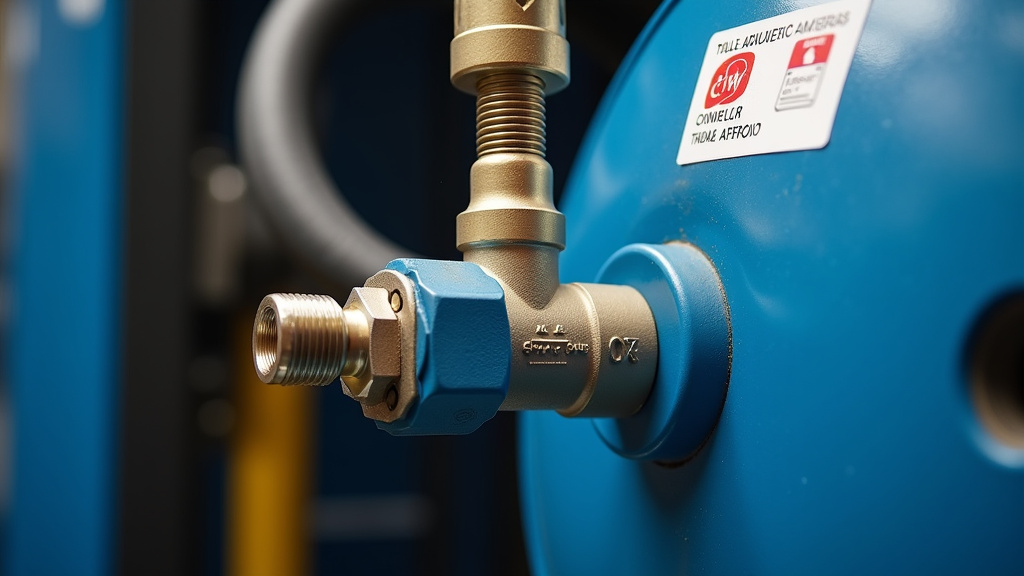
Replacing a Check Valve: A Simple Fix
The good news is that replacing a check valve is often a straightforward DIY task for many people. It usually involves a couple of wrenches and a replacement valve that matches your compressor’s fitting size and thread type.
Safety First! Before you start, make sure the compressor is turned off, unplugged, and the tank is completely drained of air. You don’t want any residual pressure releasing unexpectedly.
A Quick Checklist for Replacement
- Identify the Old Valve: Locate the current check valve.
- Note the Fitting Size: Measure or note the thread size and type.
- Purchase a New Valve: Get a replacement from a hardware store or parts supplier. Ensure it’s rated for air compressor use.
- Remove the Old Valve: Carefully unscrew the old check valve.
- Install the New Valve: Screw in the new valve. Use pipe thread tape (PTFE tape) on the threads if recommended by the valve manufacturer to ensure a good seal.
- Test for Leaks: Once reassembled and the tank is repressurized, check for any air leaks around the new valve.
Many automotive or plumbing supply stores carry generic check valves that work perfectly for air compressors. It’s usually a very affordable repair that can save your compressor.
Understanding Check Valve Types
While they all perform the same basic function, check valves come in different styles. For air compressors, you’ll most commonly encounter a few types. Understanding these can help you choose the right replacement.
Common Styles for Air Compressors
- Spring-Loaded Check Valves: These are very common. They use a spring to keep the valve closed until sufficient pressure pushes against it. The spring provides a good seal.
- Ball Check Valves: These use a ball that rests in a seat. Pressure in the desired direction lifts the ball, allowing flow. When pressure drops, gravity or a slight spring helps the ball reseat.
- Diaphragm Check Valves: These use a flexible diaphragm that opens and closes the flow path. They can be very sensitive and good for low-pressure applications.
For most air compressors, a simple spring-loaded brass check valve is the standard and a reliable choice. They are durable and effective at preventing backflow.
The Role of the Pressure Switch and Check Valve Together
Your air compressor’s pressure switch and check valve work in tandem to manage its operation. The check valve’s main job is to hold pressure in the tank. The pressure switch, on the other hand, monitors that tank pressure.
When the pressure in the tank drops below a certain point (the cut-in pressure), the pressure switch signals the motor to turn on. When the pressure reaches a higher set point (the cut-out pressure), the switch tells the motor to shut off. If the check valve wasn’t doing its job of holding pressure, the pressure switch would be much more active, constantly turning the motor on and off.
This coordination is why a faulty check valve can make it seem like your pressure switch is malfunctioning. If air is leaking out of the tank through the pump, the pressure switch will sense the lower pressure and restart the motor, even though the tank was meant to stay full. It’s a team effort, and both components need to be in good working order.
Conclusion
So, do you need a check valve on your air compressor? Based on what we’ve found, the answer is a resounding yes for most setups. This simple component is your compressor’s best friend, acting as a one-way gate to prevent damaging backflow, maintain tank pressure, and reduce wear on your motor and pump. Skipping this small but mighty part can lead to costly repairs and reduced efficiency down the line. If you suspect your current check valve isn’t performing, or if your compressor lacks one, now is the time to investigate and ensure your equipment runs smoothly for years to come.
Frequently Asked Questions
What happens if my air compressor doesn’t have a check valve?
Without a check valve, compressed air can flow backward from the tank into the pump when the compressor is off. This causes a rapid loss of tank pressure and puts significant strain on your compressor’s motor and pump the next time it starts up, potentially shortening their lifespan.
Can a bad check valve cause my compressor to run constantly?
Yes, a common symptom of a failing check valve is that it leaks air backward. This prevents the tank from holding pressure, causing the pressure switch to repeatedly signal the motor to turn on, making it seem like the compressor runs constantly.
How do I know if I need to replace my check valve?
Listen for hissing sounds from the pump area when the compressor is off, notice if your compressor runs longer than it should, or if you experience slow pressure build-up or difficulty starting the motor. These are all signs your check valve may need replacing.
Where is the check valve usually located on a compressor?
Typically, the check valve is found between the air compressor pump head and the storage tank, often on the discharge line or directly on the tank inlet fitting. Consulting your owner’s manual is the best way to pinpoint its exact location on your model.
Is replacing an air compressor check valve a difficult DIY job?
For many users, replacing a check valve is a straightforward DIY task. It usually involves safely draining the tank, unscrewing the old valve, and installing a new one of the correct size with basic tools. Always ensure the compressor is off and unplugged before starting.
