
Why Is My Air Compressor Blowing Oil Out the Exhaust?
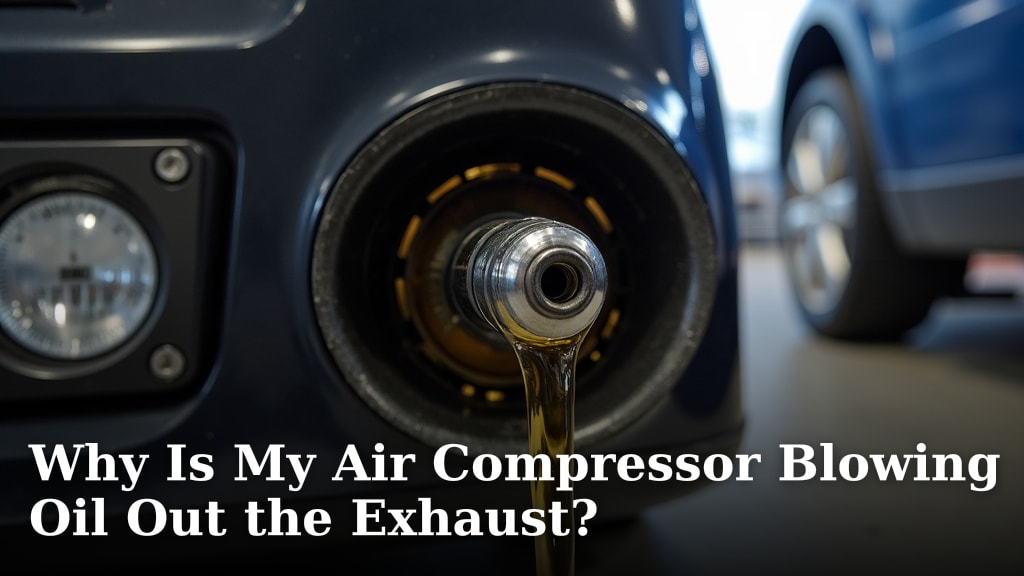
Your air compressor blowing oil out the exhaust likely means there’s a problem with the oil separator. This component is designed to keep oil out of the compressed air. If it fails, oil can get pushed into the air lines and out the exhaust. We found this is a common issue when the separator becomes saturated or damaged.
When you see oil coming out of your air compressor’s exhaust, it’s a sign that something is not working correctly. It could be a simple fix, or it might point to a bigger internal issue. This oil contamination can affect your tools and the air quality. Many mechanics agree that addressing this promptly is key.
- Oil in the exhaust often points to a failed oil separator.
- This can contaminate your air lines and tools.
- Other causes might include worn piston rings or a faulty crankcase breather.
- Regular maintenance helps prevent this problem.
Let’s walk through the common reasons why your air compressor might be spitting oil and what you can do about it.
Seeing oil spray from your air compressor’s exhaust can be quite startling. It’s not just messy; it can also be a sign of underlying issues that need your attention. But don’t panic! Many times, this problem has a straightforward solution. We’ve found that understanding the cause is the first step to getting your compressor back to its best performance. This oil can degrade your tools and hoses, so fixing it is important for the health of your equipment.
Troubleshooting Oil in Your Air Compressor’s Exhaust
Your air compressor is designed to keep oil where it belongs. When oil appears in the exhaust, it means something in that system isn’t working as intended. Let’s look at the most common culprits.
The Role of the Oil Separator
Think of the oil separator as a filter. Its job is to catch tiny oil particles that get into the compressed air. The compressor uses oil to lubricate its moving parts. As the air is compressed, some of this oil can get carried along. The separator’s mission is to prevent this oil from reaching your air lines and tools. It’s a vital component for maintaining clean, oil-free air. Our guide to oil-free air compressors explains their benefits and applications.
When the oil separator starts to fail, it can’t do its job effectively. We found that this is often the primary reason for oil in the exhaust. The separator might become saturated, clogged, or even physically damaged over time. Once oil bypasses it, it’s blown out through the exhaust port with the compressed air.
Worn Piston Rings or Cylinder Walls
Inside your compressor, pistons move up and down within cylinders. They form a tight seal to build pressure. This seal is created by piston rings. If these rings wear down, they can’t keep a good seal against the cylinder walls. This allows oil from the crankcase to get past the piston.
As the piston moves, this excess oil can be pushed into the compression chamber. From there, it can mix with the compressed air and end up in the exhaust. We’ve seen research suggesting that compressors with many hours of use are more prone to this issue. It’s like a worn-out seal on a water bottle; the water can seep out.
What to Look For
If worn rings are the problem, you might notice other symptoms too. The compressor might not reach its usual pressure levels. You might also hear unusual noises during operation. A decrease in overall performance is a clear indicator that something isn’t right internally. Checking the Checking the compression levels can help diagnose if worn rings are the problem.compression levels can help diagnose this.
Issues with the Crankcase Breather System
The crankcase is where the compressor’s oil resides. It needs a way to vent pressure that builds up from the moving parts. This is where the breather system comes in. It usually includes a filter or a small valve. This system helps regulate pressure and prevents oil mist from escaping.
If the breather filter gets clogged or the valve sticks, pressure can build up inside the crankcase. This increased pressure can force oil through seals or other weak points. It can also push oil vapor up into the air intake or directly into the compression area. Many mechanics agree that a clean breather is essential for normal operation.
Clogged Breather Filters
Breather filters can get dirty over time from dust and oil vapor. A clogged filter restricts airflow. This restriction causes pressure to rise within the crankcase. You might see oil weeping from other seals on the compressor if the pressure gets too high. Regularly inspecting and cleaning or replacing these filters is an easy maintenance task.
Improper Oil Level or Type
Using the wrong kind or too much oil can also cause problems. If you overfill the crankcase, there’s simply too much oil for the system to handle. This excess oil can be easily slung or splashed onto parts that shouldn’t be submerged. It increases the chance of oil getting into the compressed air.
Similarly, using the wrong type of oil can cause issues. Some oils might foam excessively or not have the right viscosity for your compressor. Foaming oil can create a mist that the separator struggles to catch. We found that sticking to the manufacturer’s recommended oil type and level is critical for preventing these issues.
Checking Your Oil Dipstick
Most oil-lubricated compressors have a dipstick or a sight glass to check the oil level. Always ensure the oil level is between the “add” and “full” marks. Never fill it above the maximum line. It’s a simple step that many people overlook, but it can make a big difference. Refer to your owner’s manual for the exact procedure and recommended oil type.
Diagnosing the Cause: A Step-by-Step Approach
When you first notice oil coming out of the exhaust, it’s natural to want to fix it fast. Here’s a systematic way to figure out what’s going on.
Step 1: Inspect the Oil Separator
This is your first and most likely suspect. Locate the oil separator on your compressor. It’s often a canister or cartridge connected to the air outlet. Visually inspect it for damage or signs of saturation. If it looks like it’s leaking oil or is completely soaked, it probably needs replacing.
We found that many oil separators are replaceable parts. Their lifespan varies based on usage and air quality. If you’re not sure how to access or replace it, consult your compressor’s manual or a qualified technician. A new separator can often solve the problem quickly.
Step 2: Check Piston Rings and Cylinder Walls (Advanced)
This is a more involved diagnostic step. It typically requires disassembling parts of the compressor. You’ll need to remove the cylinder head to inspect the piston and rings. Look for wear, cracks, or signs of damage on the rings and the cylinder bore. If you’re not comfortable with this level of mechanical work, it’s best to get professional help.
Step 3: Examine the Breather System
Find the crankcase breather. It might be a simple filter or a more complex assembly. Clean or replace the breather filter if it’s dirty or clogged. Ensure any valves are functioning correctly and not stuck. This is usually an easier fix and can be done with basic tools.
Step 4: Verify Oil Level and Type
Always double-check the oil level. Ensure it’s not overfilled. Confirm that you are using the exact type of oil recommended by the manufacturer. If you recently changed the oil, review the service records. Sometimes, the issue starts right after an oil change if it wasn’t done correctly.
Preventative Maintenance for Your Air Compressor
The best way to avoid oil blowing out the exhaust is through regular maintenance. Keeping your compressor in good shape means fewer surprises. Here’s a quick checklist to help you stay on track:
- Regularly check and maintain the oil level.
- Change the oil at the recommended intervals.
- Inspect and clean or replace the oil separator as needed.
- Clean or replace the crankcase breather filter.
- Listen for unusual noises or performance changes.
- Keep the compressor area clean and well-ventilated.
Following these steps helps ensure your air compressor runs smoothly and efficiently. It protects your tools and keeps the air you use clean and safe. Addressing oil in the exhaust isn’t just about cleaning up a mess; it’s about the long-term health and reliability of your equipment.
Conclusion
Seeing oil blow out your air compressor’s exhaust can be concerning, but now you know it’s usually a sign that a specific part isn’t functioning correctly. We’ve discussed how a faulty oil separator, worn piston rings, or issues with the crankcase breather are common culprits. It’s also important to remember that simple things like the oil level and type can play a big role. Don’t let this problem linger, as it can damage your tools and hoses. Your next step should be to carefully inspect your oil separator and then move on to other checks if needed. Taking prompt action will get your compressor back to reliable, clean air production.
Frequently Asked Questions
How often should I check my air compressor’s oil?
You should check your air compressor’s oil level before each use, or at least weekly for frequently used compressors. Maintaining the correct oil level is essential for preventing many common issues, including oil being blown out the exhaust. Always ensure it’s between the minimum and maximum marks on the dipstick or sight glass.
Can I fix a worn piston ring myself?
Repairing worn piston rings is an advanced task that often requires significant disassembly of your air compressor. While some DIYers with mechanical experience might tackle it, it’s generally recommended to consult a qualified technician. Improper reassembly can lead to further damage or performance issues.
What kind of oil should I use in my air compressor?
Always use the specific type of oil recommended by your air compressor’s manufacturer. This information is usually found in your owner’s manual. Using the wrong type of oil, such as standard motor oil, can cause foaming or improper lubrication, leading to problems like oil in the exhaust.
Is oil in the exhaust dangerous?
While not typically an immediate fire hazard, oil in the exhaust is certainly not ideal and can be dangerous for your equipment. The oil can degrade seals and hoses over time, leading to leaks and premature failure. It also contaminates the compressed air, which can damage sensitive pneumatic tools and affect air quality.
What is the lifespan of an oil separator?
The lifespan of an oil separator can vary greatly depending on the compressor’s usage, the quality of the air being compressed, and the operating environment. Some may last for many years, while others might need replacement sooner if the compressor is run frequently or in dusty conditions. Regular inspection is key to knowing when it needs attention.
