
What Is an Oil Free Air Compressor?
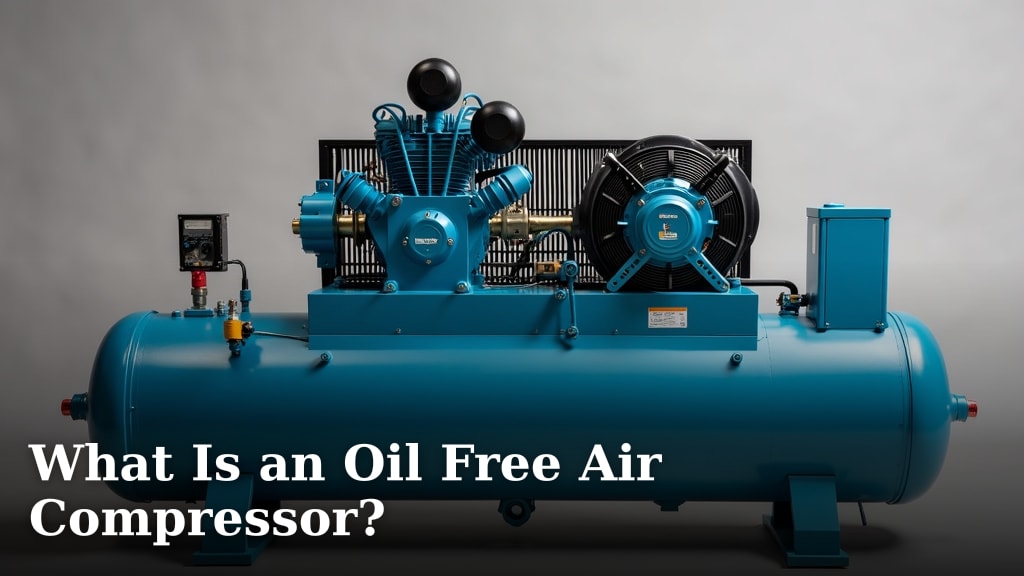
An oil-free air compressor is a type of air compressor that does not use oil in its compression chamber. This design delivers clean, contaminant-free air directly to your tools and applications. It’s ideal for situations where even tiny amounts of oil could cause problems.
You might be wondering why avoiding oil matters. We found that these compressors are often chosen for their ability to provide pure air output. This purity is a big deal in many industries where even trace amounts of oil can ruin products or processes.
- Oil-free compressors deliver clean air.
- They don’t use oil in the compression process.
- Great for sensitive applications.
- Lower maintenance compared to oiled models.
- Often more expensive upfront but save money over time.
Ready to learn more? Let’s dive into the details of what makes an oil-free air compressor work and why you might need one.
Understanding Oil-Free Air Compressor Mechanics
An oil-free air compressor works by using design principles that avoid the need for oil for lubrication or sealing in the compression chamber. This is a big difference from traditional compressors, and it impacts everything from air quality to maintenance.
You see, most compressors use oil to reduce friction and help seal moving parts. But what if you don’t want that oil mixing with your air? That’s where the oil-free design shines. It changes how the internal components interact.
How They Achieve “Oil-Free” Compression
The magic of oil-free compressors lies in their ingenious engineering. They don’t just remove oil; they use alternative methods to keep things running smoothly and efficiently.
Instead of oil, these compressors often use materials like Teflon-coated components or special composites. These materials have natural self-lubricating properties. They allow parts to slide past each other without excessive wear or heat.
Another common approach involves water injection. Some larger industrial oil-free compressors spray water into the compression chamber. This cools the air and seals the gaps, doing the job oil would typically do.
You might also find designs with extra tight tolerances and precision machining. This minimizes the space between moving parts, reducing the need for a liquid seal. It’s like building a very precise clock.
Key Components and Their Roles
Let’s look at the parts that make an oil-free compressor tick. Understanding these helps you appreciate their design.
- Piston/Rotor: These are the moving parts that compress the air. In oil-free models, they often have special coatings.
- Cylinder/Chamber: This is where the air gets squeezed. Its inner surface is treated to reduce friction without oil.
- Motor: The power source. It drives the compression mechanism.
- Air Receiver Tank: Stores the compressed air, just like any other compressor.
- Aftercooler: Cools the air after compression, which is important for air quality.
We found that the materials chosen for these components are critical. They must withstand heat and friction without the help of oil (American Society of Mechanical Engineers).
The Advantages of Choosing an Oil-Free System
Why would you pick an oil-free compressor over a traditional one? The benefits are clear, especially if you need very clean air. It often comes down to air purity, maintenance, and long-term costs.
Superior Air Purity
The most significant advantage is the clean air output. With no oil in the compression chamber, there’s no risk of oil contaminating your air stream. This is a huge plus for many applications.
Imagine working in a sterile environment. Any oil particles in the air could ruin sensitive processes or products. Oil-free compressors remove that worry completely.
- Contaminant-free air: No oil mist or residue.
- Reduced filtration needs: You might need fewer filters downstream.
- Product integrity: Protects your end products from oil spoilage.
- Health and safety: Cleaner air for workers in some settings.
We found that industries with strict hygiene requirements often mandate oil-free air compressors (ISO 8573-1 standards for compressed air purity).
Reduced Maintenance and Operating Costs
While the upfront cost can be higher, oil-free compressors often save you money and headaches over time. How so? It’s all about what you don’t have to do.
You eliminate the need for oil changes. No more buying oil, no more disposing of used oil, and no more messy spills. This saves both time and money.
Also, the lack of oil means less wear on certain parts, as oil can sometimes trap contaminants. It simplifies the maintenance schedule quite a bit.
Think of it like this: Fewer parts requiring oil means fewer things to check, replace, or worry about getting dirty. It just simplifies your routine.
Environmental Benefits
Going oil-free also has a positive impact on the environment. It’s a choice that many businesses are making for sustainability reasons.
With no oil to dispose of, you reduce your environmental footprint. Used oil is a hazardous waste, and proper disposal can be costly and complicated.
The operation also tends to be cleaner overall, with less chance of oil leaks or spills that could contaminate work areas or wastewater. It’s a win-win for your workplace and the planet.
Where Oil-Free Compressors Truly Shine
These compressors aren’t for everyone, but they are absolutely essential in specific fields. When clean air isn’t just a preference but a necessity, an oil-free system is the only way to go.
Applications Requiring Pristine Air Quality
If your application can’t tolerate even a speck of oil, you need an oil-free compressor. It’s like having a dedicated air purification system built right into your compressor.
- Medical and Dental Facilities: Think about patient care. Sterile environments are non-negotiable.
- Food and Beverage Production: Oil contamination can spoil products and lead to health risks.
- Pharmaceutical Manufacturing: Producing medicines requires the highest level of purity.
- Electronics and Semiconductor Manufacturing: Tiny oil particles can destroy delicate components.
- Laboratory Research: Precise experiments need contaminant-free air to ensure accurate results.
- Certain Painting and Finishing Applications: Oil in the air can cause imperfections in the finish.
We found that regulatory bodies often dictate the use of oil-free compressors in these industries due to the critical nature of their work (FDA guidelines, for instance).
Considering Your Specific Needs: A Checklist
Are you wondering if an oil-free compressor is right for you? Ask yourself these questions. It helps clarify your priorities.
- Is air purity paramount for your application?
- Do you need to meet strict regulatory standards for air quality?
- Are you looking to reduce routine maintenance tasks like oil changes?
- Is environmental impact a key concern for your operations?
- Are you willing to potentially pay a higher upfront cost for long-term savings?
- Will oil contamination negatively affect your product quality or reputation?
If you answered “yes” to most of these, an oil-free air compressor is likely a very strong candidate for your needs.
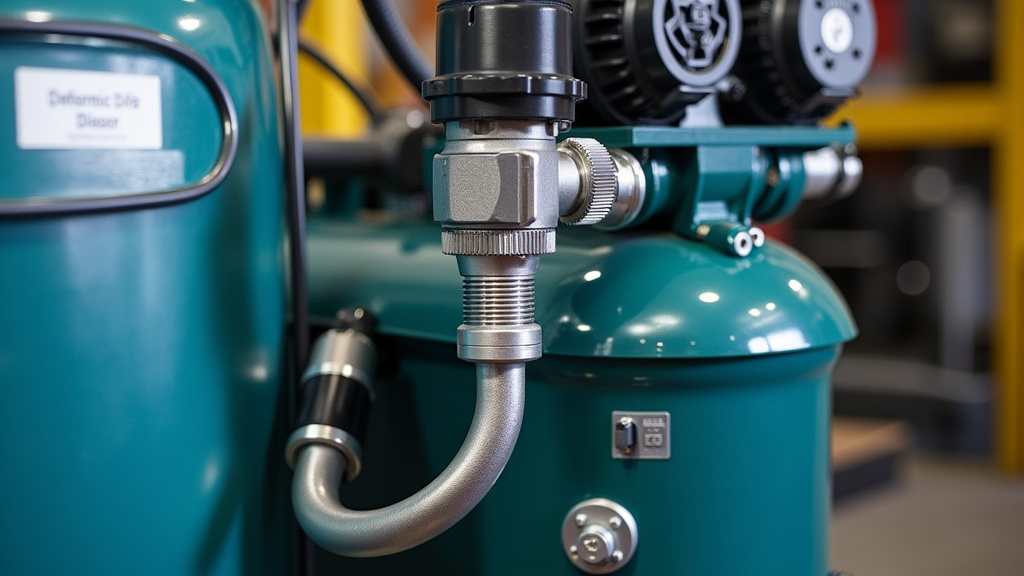
Oil-Free vs. Oil-Lubricated: A Quick Comparison
It’s helpful to see how oil-free models stack up against their traditional, oil-lubricated counterparts. Each has its place, but they serve different masters, if you will.
Understanding the Differences in Performance and Cost
You might be wondering about the trade-offs. It’s not just about oil or no oil. There are differences in noise, durability, and, of course, the price tag.
Typically, oil-free compressors can be a bit noisier because they lack the dampening effect of oil. They also might have a slightly shorter lifespan in very heavy-duty, continuous industrial use compared to a well-maintained oil-lubricated model (Compressed Air & Gas Institute).
However, the cost savings from reduced filtration and maintenance can quickly offset the higher initial price. It’s a classic long-term investment decision.
Choosing the Right Compressor for You
How do you decide? Think about what truly matters for your work. Is it raw power and continuous heavy use, or absolute air purity?
If you’re running a small workshop where a tiny bit of oil in the air won’t hurt, an oil-lubricated compressor might be more cost-effective. They are generally less expensive to buy upfront and can be very durable.
But if you’re a dental office, a brewery, or an electronics manufacturer, the decision is practically made for you. The risk of contamination is too high to compromise.
| Feature | Oil-Free Air Compressor | Oil-Lubricated Air Compressor |
|---|---|---|
| Air Purity | Excellent (no oil in air) | Requires filtration to remove oil mist |
| Maintenance | Lower (no oil changes/disposal) | Higher (regular oil changes, filter checks) |
| Upfront Cost | Generally higher | Generally lower |
| Operating Cost | Lower (less filtration, no oil) | Higher (oil costs, more filtration) |
| Noise Level | Can be louder | Often quieter (oil dampens sound) |
| Typical Applications | Medical, food, electronics, pharma | General workshop, automotive, heavy industry |
Conclusion
Choosing an air compressor is a big decision, and hopefully, this guide has clarified if an oil-free model is right for you. We found that if your applications demand absolute air purity, minimal maintenance, and a cleaner environmental footprint, then the benefits of an oil-free compressor far outweigh its higher upfront cost. You’re investing in long-term reliability and the integrity of your work.
By understanding their unique mechanics and distinct advantages, you can confidently select the compressor that best supports your operational needs and keeps your air supply contaminant-free. Take a moment to assess your specific requirements, and you’ll likely find the clear choice.
Frequently Asked Questions
Are oil-free air compressors truly “oil-free”?
Yes, they are designed not to use oil in the compression chamber itself. This prevents oil from mixing with the compressed air, ensuring a clean output. However, some may still use a small amount of oil in a separate gearbox, completely isolated from the air path.
Do oil-free compressors require any lubrication?
While the compression chamber is oil-free, some internal bearings or external components of the motor might require occasional greasing or sealed lubrication. It’s minimal compared to an oil-lubricated compressor’s regular oil changes.
How often do oil-free air compressors need maintenance?
They typically have lower maintenance needs than oil-lubricated models. You won’t need to change oil or dispose of used oil. Regular checks usually involve inspecting filters, ensuring proper ventilation, and looking for general wear and tear.
Can an oil-free compressor be used for heavy-duty applications?
Absolutely! Many industrial settings, especially those requiring high purity, rely on heavy-duty oil-free compressors. Modern designs are very robust and built for continuous operation in demanding environments.
Is an oil-free compressor always louder than an oil-lubricated one?
Not always, but they can be. Oil acts as a sound dampener in traditional compressors. Oil-free models might need more elaborate soundproofing or be placed in a dedicated compressor room to manage noise levels effectively.
