
Why Is My Air Compressor Tank Rusting?
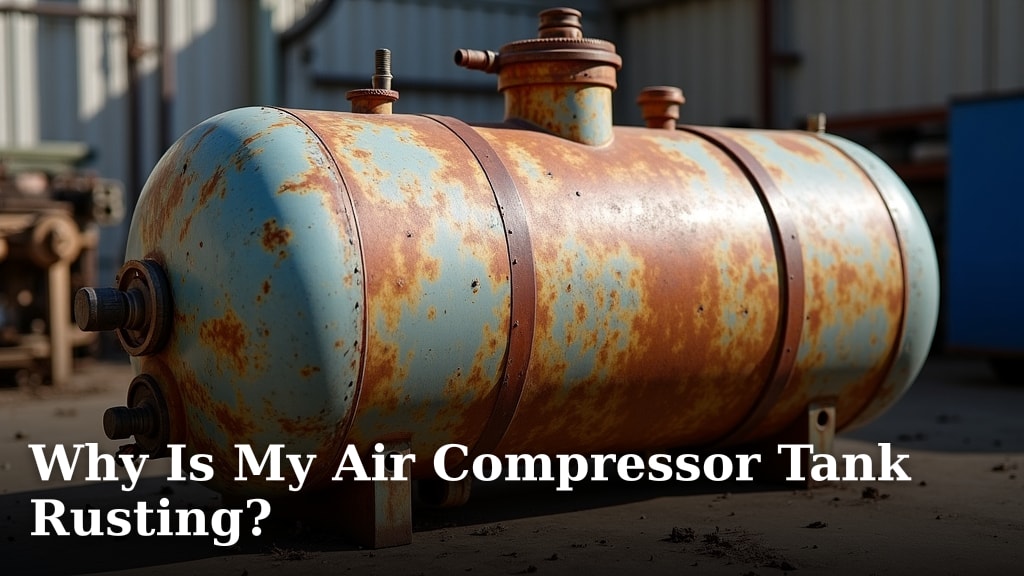
Your air compressor tank is rusting because of moisture buildup. When you compress air, you also compress water vapor within it. This water condenses inside the tank. If not drained regularly, it sits there and causes rust, turning your metal tank into a rust-bucket. It’s a common problem that happens to many owners of air compressors.
This moisture can lead to more than just cosmetic rust. It can weaken the tank over time, potentially causing bigger issues. That’s why understanding the causes of tank rust and how to prevent it is so important for maintaining your equipment and ensuring your safety. We’ve researched this issue and found common solutions.
- Rusting is caused by moisture condensing inside the tank.
- Not draining the tank regularly is the main culprit.
- Moisture can lead to weakened metal and potential safety hazards.
- Regular draining and proper storage are key prevention methods.
- Clean tanks work better and last longer.
Let’s dive into why this is happening and what you can do to fix and prevent rust in your air compressor tank.
Understanding Why Your Air Compressor Tank Develops Rust
Your air compressor tank might be showing signs of rust because water is getting inside. This is a very common issue for compressor owners. It happens because of the way air compressors work. They take in air and squeeze it down. Air naturally contains moisture, even if you can’t see it. When this air is compressed, the water vapor within it also gets compressed.
As the compressed air cools down inside your tank, this water vapor turns back into liquid water. Think of it like a cold glass on a humid day. Water droplets form on the outside of the glass. The same thing happens inside your air compressor tank. This moisture then sits there, and over time, it can start to corrode the metal.
The Science Behind Condensation in Your Tank
Air is made up of gases, and one of those gases is water vapor. The amount of water vapor air can hold depends on its temperature. Warmer air can hold more water vapor than cooler air. When you compress air, you increase its pressure and usually its temperature. As this hot, compressed air enters the tank, it starts to cool.
As the temperature drops, the air can no longer hold as much water vapor. This excess moisture then condenses into liquid water. This is a basic principle of physics. Many sources, like general science textbooks, explain this concept. The cooler the tank gets and the longer the water sits, the more likely rust is to form.
Factors That Increase Condensation
- Humidity Levels: If you live in a humid area, the air you compress has more moisture to begin with. This means more water will condense inside your tank.
- Operating Temperature: Compressors that run hot for long periods can create more steam. When this steam cools, it becomes liquid water.
- Tank Size and Material: Larger tanks might hold more moisture. The type of metal and its coating also play a role in how quickly it rusts.
- Infrequent Use: If you don’t use your compressor often, the condensed water has more time to sit and do damage.
Why Draining Your Tank Is So Important
The most direct cause of rust in your air compressor tank is not draining out the collected water. Think of it as a recurring task, like changing your car’s oil. If you skip it, problems will eventually arise. Many compressor manuals list draining the tank as a primary maintenance step.
When you drain the tank, you are removing the water that has condensed. This prevents it from sitting against the metal walls. Even a small amount of water left inside can start the rusting process over time. It’s like leaving a wet sponge on a wooden table. Eventually, the wood will get damaged.
The Simple Act of Draining
Most air compressors have a drain valve at the bottom of the tank. It’s usually a small knob or petcock. Releasing this valve allows the trapped air and any condensed water to escape. You should do this regularly. How often depends on how much you use the compressor and the humidity in your environment.
We found that many users recommend draining the tank at the end of each day’s use. This is especially important if the compressor was used for an extended period. Even if you only use it for a few minutes, checking for moisture is a good habit. It’s a simple step that can prevent a lot of future headaches.
Consequences of Not Draining
Ignoring the drain valve can lead to serious issues. Beyond just cosmetic rust on the outside, internal rust can weaken the tank’s structure. A compromised tank is a safety hazard. The pressure inside these tanks can be very high. If the metal is weakened by rust, there’s a risk of failure, which can be dangerous.
Rust particles can also get into your airline and tools. This can cause them to malfunction or break down prematurely. Imagine sand getting into a delicate mechanism. It’s not good for performance or longevity. This contamination can lead to costly repairs for your air tools.
Other Contributing Factors to Tank Rust
While moisture is the main enemy, other elements can contribute to your tank rusting. These factors might seem small, but they can speed up the process. Understanding them helps you protect your equipment better.
Environmental Conditions
Where you store your air compressor matters. If you keep it in a damp garage or basement, it’s more exposed to moisture. Even the air around the compressor can contribute to condensation. High humidity in the storage area will transfer to the tank itself.
A good rule of thumb is to store your compressor in a dry, well-ventilated space. This reduces the overall moisture it encounters. Think about protecting furniture from humidity; the same principle applies to your tools. Some experts suggest using a dehumidifier in storage areas if moisture is a persistent problem.
Tank Material and Coating
Most air compressor tanks are made of steel. Steel is prone to rusting when exposed to water and air. Manufacturers typically apply a protective coating, either internally or externally, to prevent this. However, this coating can degrade over time.
Scratches or damage to the tank’s exterior coating can expose the bare metal. This makes it vulnerable to rust. Internal coatings can wear down from constant exposure to water and air pressure. If you notice significant damage to the paint or coating, it’s a warning sign.
Age and Wear of the Tank
Like anything, air compressor tanks don’t last forever. As a tank ages, the protective coatings can weaken. The metal itself might become more susceptible to corrosion. This is a natural part of wear and tear. Many manufacturers provide guidelines on the expected lifespan of their tanks.
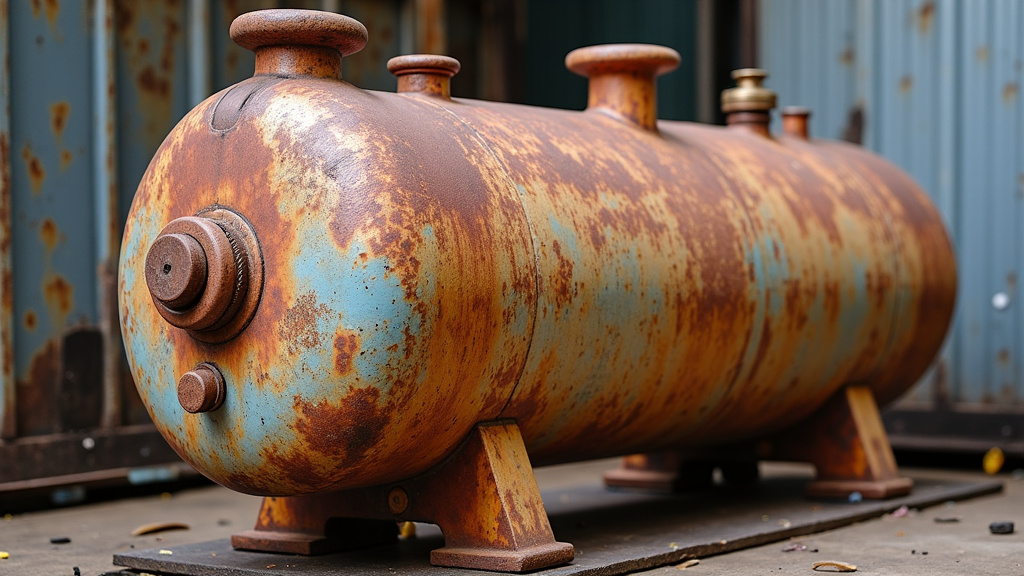
How to Prevent and Treat Rust in Your Air Compressor Tank
Preventing rust is much easier and cheaper than dealing with the aftermath. With a few consistent habits, you can keep your tank in great shape for years. Think of it as giving your compressor a spa day, but much more practical.
Regular Draining: Your First Line of Defense
As we’ve discussed, this is the most critical step. Make it a habit to drain your tank after every use. Even a quick drain for a few seconds can remove a lot of accumulated water. If you see water come out, keep draining until only air comes out. This simple action is your best bet against rust.
Routine Inspections
Periodically check your tank for any signs of rust, especially around seams, welds, and the drain valve. Look for any bubbling paint or powdery red/brown spots. Also, inspect the drain valve itself to ensure it’s working correctly and not leaking.
Proper Storage Techniques
When you’re not using your compressor, store it in a dry environment. If possible, keep it elevated slightly off a damp floor. This helps prevent moisture from creeping up from the ground. Covering the compressor can also help, but ensure there’s still ventilation.
Using an Air Dryer or Filter (for Serious Users)
For those who use their air compressors frequently or for critical applications like painting or running sensitive tools, investing in an air dryer or a good quality air filter is a smart move. An air dryer removes moisture from the air *before* it enters the tank. A good filter can catch particles and some moisture. Investing in an air dryer can significantly reduce moisture before it enters the tank.
These systems can significantly reduce the amount of water that condenses in your tank. While they are an added expense, they can save you from costly repairs and extend the life of your compressor and tools. Many professional mechanics and auto body shops rely on these to keep their air clean.
Internal Tank Coatings and Treatments
If you have an older tank with significant internal rust, you might consider specialized tank coatings. These are applied after cleaning the tank thoroughly. They create a barrier between the metal and any moisture. However, this is a more involved process and might require professional help.
Some products are designed to remove rust and leave a protective layer. Research these carefully to ensure they are suitable for air compressor tanks. Always follow the manufacturer’s instructions precisely. Safety is key when working with compressed air systems.
Checklist: Keep Your Tank Rust-Free!
- Drain Daily: Always drain moisture at the end of each use.
- Inspect Regularly: Check for visible rust or damage.
- Store Dry: Keep your compressor in a low-humidity environment.
- Clean Valve: Ensure the drain valve is free of debris.
- Consider a Filter: If you use it a lot, add an air filter.
- Address Damage: Fix any paint chips or coating issues promptly.
Conclusion
You’ve learned that moisture is the main culprit behind your air compressor tank rusting. It happens when water vapor in the air condenses inside. Not draining your tank regularly is the biggest reason this moisture causes damage. By making a habit of draining your tank after each use and storing it properly in a dry place, you can prevent rust. Consistent maintenance ensures your air compressor stays safe and performs at its best. Take these steps today to protect your equipment for the long haul!
Frequently Asked Questions
How often should I drain my air compressor tank?
You should aim to drain your air compressor tank at the end of each day you use it. This is especially important if you used it for a long period or in a humid environment. Even a quick drain can remove significant moisture.
Can internal rust damage my air tools?
Yes, internal rust can cause problems. Rust particles can break off and travel through your air lines. This can contaminate your tools, leading to performance issues or premature wear and tear.
What if I don’t have a lot of space for storage?
If space is limited, try to keep your compressor off the floor. Even a small block of wood can help prevent moisture from the ground reaching the tank. Ensure the area still has some ventilation.
Are air dryers really necessary for a home user?
For most casual home users, regular draining is usually sufficient. However, if you use your compressor very frequently or for sensitive tasks like painting, an air dryer can significantly reduce maintenance and protect your tools.
Is it safe to use a rusty air compressor tank?
A rusty tank is a safety concern. Internal rust can weaken the metal over time. The high pressure inside an air compressor tank means a weakened tank could potentially fail, which is dangerous.
