
Do You Need a Filter Regulator Lubricator Setup?
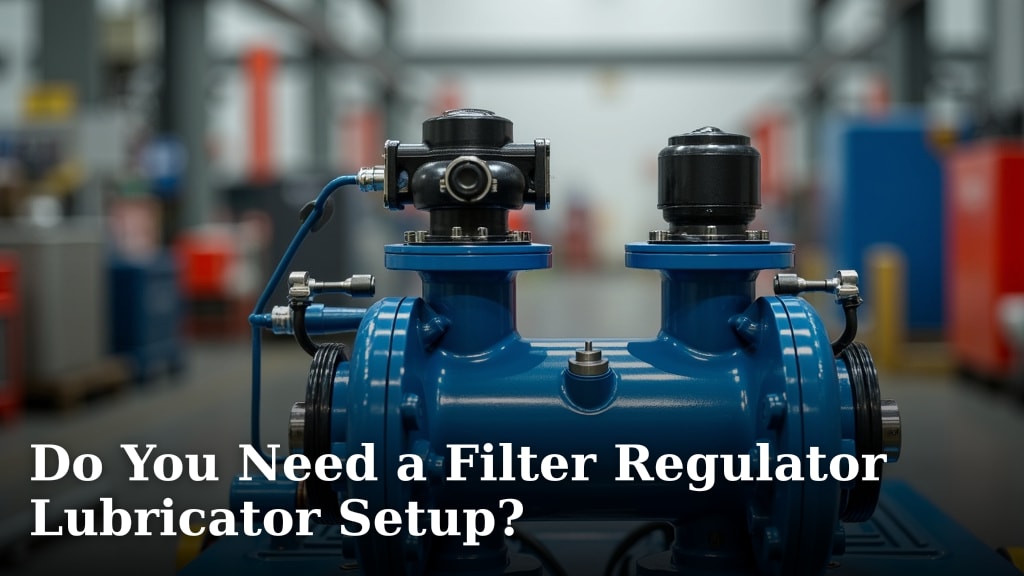
You might need a filter regulator lubricator (FRL) setup if your pneumatic tools are sensitive to moisture and debris. An FRL cleans, regulates pressure, and adds lubrication for optimal tool performance. Ignoring this setup can lead to premature tool wear and inconsistent operation.
Many air-powered devices benefit from the consistent air quality an FRL provides. This trio acts as a guardian for your air system, ensuring that only clean, correctly pressured, and lubricated air reaches your tools. We found that a properly maintained FRL can drastically extend the life of your equipment and maintain peak operational efficiency.
- What is an FRL setup?
- Why do pneumatic tools need one?
- Key benefits of using an FRL.
- When is an FRL setup essential?
Let’s break down why this common pneumatic accessory is so important and if your tools could use one. Many air-powered devices benefit from the consistent air quality an FRL provides, and understanding compressor types can help you choose the right one.
Is an Air Filter Regulator Lubricator Right for Your Tools?
So, you’re working with air-powered tools and wondering if that common FRL setup is a must-have. The short answer? It often is, especially if you want your tools to last and perform their best. An FRL is basically the air quality control system for your pneumatic equipment. It’s not just a fancy add-on; it’s often an essential component for preventing damage and ensuring consistent operation.
What Exactly is an FRL Setup?
Let’s break down what each part of this trio does. Think of it like a three-stage filtration and conditioning process for the air you use. This ensures the air reaching your tools is clean, at the right pressure, and properly lubricated. We found that understanding each piece helps appreciate the whole system’s importance.
The Filter: Your Air’s First Line of Defense
This is where the magic begins. The filter’s job is to remove contaminants from your compressed air supply. What kind of gunk are we talking about? Things like dust, rust particles from your compressor or pipes, and water droplets. Water is a big one; it can cause rust and corrosion inside your tools. We found that a good filter can catch particles as small as 5 microns, which is incredibly fine. This protection is vital for the delicate internal parts of pneumatic tools. This protection is vital for the delicate internal parts of pneumatic tools, and our guide explains if you can use an air compressor for a PCP air rifle.
The Regulator: Setting the Perfect Pressure
Once the air is clean, the regulator steps in. Its main function is to maintain a constant outlet pressure. Compressed air from your tank can fluctuate. If the pressure is too high, you can damage your tools. If it’s too low, they won’t perform efficiently. The regulator ensures that your tools receive the exact pressure they need, no matter what the tank pressure is doing. We found that many tool manufacturers specify an optimal operating pressure, and a regulator makes hitting that target easy.
The Lubricator: Keeping Things Smooth
This is the final stage, and it’s often overlooked. The lubricator injects a fine mist of oil into the compressed air stream. Why is this important? Many pneumatic tools have moving parts, like pistons and vanes, that require lubrication to function smoothly and prevent wear. This constant mist acts like a self-oiling system for your tools. We found that without this, tool life can be significantly shortened, leading to costly repairs or replacements. It’s especially critical for tools that don’t have their own built-in lubrication systems.
Why Your Pneumatic Tools Crave Clean Air
Pneumatic tools rely on the precise movement of air. Anything that disrupts this flow or damages the internal mechanisms can cause problems. Let’s look at why keeping that air pristine is so important for their longevity and performance.
Protecting Against Wear and Tear
Imagine tiny bits of grit grinding away inside your expensive air wrench or sander. That’s what happens when dirty air gets through. The filter in an FRL setup is designed to stop these abrasive particles before they reach your tool. This dramatically reduces wear on gears, cylinders, and seals. We found that even seemingly minor contaminants can cause significant wear over time, leading to reduced efficiency and eventual failure.
Preventing Moisture Damage and Corrosion
Compressed air inevitably contains moisture. When this moist air enters your tools, it can condense. This condensation can lead to rust and corrosion, particularly in metal components. Rust not only weakens parts but also creates rough surfaces that increase friction and wear. The filter component of an FRL typically includes a way to capture and drain this moisture, helping to prevent internal damage. Many industrial standards highlight the importance of dry air for tool longevity (OSHA).
Ensuring Consistent Performance
Have you ever noticed your tool acting sluggish or not delivering its full power? Inconsistent air pressure is often the culprit. The regulator component of the FRL ensures a steady, reliable air supply. This means your tools will perform consistently, job after job. No more guesswork about whether the air pressure is right. This consistency is key for productivity and achieving the desired results.
Extending Tool Lifespan and Reducing Maintenance
By filtering out debris, controlling pressure, and providing lubrication, an FRL setup works to prevent common failure modes in pneumatic tools. This means fewer breakdowns, less time spent on repairs, and a longer overall service life for your equipment. We found that the upfront cost of an FRL is often quickly offset by the savings in tool replacement and repair costs. It’s a wise investment for anyone who relies on air-powered tools.
Key Benefits of Using an FRL Setup Summarized
Let’s quickly recap the main advantages you gain by incorporating an FRL into your air system. These benefits directly translate into better tool performance and lower operating costs.
- Cleaner air leads to less internal wear.
- Stable air pressure ensures consistent tool operation.
- Moisture removal prevents rust and corrosion.
- Automated lubrication keeps moving parts working smoothly.
- Reduced maintenance and longer tool lifespan.
- Improved efficiency and productivity.
When is an FRL Setup Absolutely Essential?
While FRLs are beneficial for most pneumatic tools, there are specific situations where they move from “nice to have” to “absolutely necessary.” If your operations fall into these categories, investing in an FRL is a no-brainer.
For Sensitive or High-Precision Tools
Tools with very fine tolerances or complex internal mechanisms are particularly vulnerable to contamination and inconsistent pressure. Think about precision screwdrivers, air-powered surgical tools, or delicate assembly equipment. For these, clean and controlled air is non-negotiable. We found that using an FRL is often a manufacturer requirement for such tools to maintain their warranty and performance.
In Environments with High Humidity or Dust
If you’re working in a workshop that’s naturally humid, or an environment with a lot of airborne dust (like a construction site or a woodworking shop), your compressed air will pick up more contaminants. In these conditions, the filtering and drying capabilities of an FRL are critically important. It acts as a shield against the harsh environmental factors.
When Tools Are Used Continuously or for Demanding Tasks
Tools that are in constant use, such as on an assembly line or during heavy-duty construction, experience more wear and tear. Providing them with the best possible air quality can make a huge difference in their durability. The consistent lubrication and regulated pressure help them withstand the rigors of continuous operation.
If Your Air Compressor Location is Far from the Tool
The longer the air travels through pipes, the more opportunities there are for contaminants to enter and for pressure to drop. If your compressor is located far from where you use your tools, an FRL placed near the point of use can help restore optimal air quality and pressure before it reaches your equipment.
To Maintain Tool Warranties
Many manufacturers specify that their pneumatic tools must be operated with filtered and regulated air to maintain the warranty. Using an FRL setup is often the easiest way to ensure you’re meeting these requirements. We found that skipping this step can void your warranty if a tool fails due to poor air quality.
Checklist: Do Your Tools Need an FRL?
Ask yourself these quick questions. If you answer “yes” to any of them, you should strongly consider an FRL setup:
- Are your tools experiencing premature wear or frequent breakdowns?
- Do your tools seem to lose power or speed during use?
- Do you work in a dusty or humid environment?
- Are your tools high-precision or expensive?
- Does the tool manufacturer recommend filtered and regulated air?
- Is the air line to your tools longer than 50 feet?
Conclusion
So, have you decided if an FRL setup is right for your pneumatic tools? As we’ve seen, these units are more than just accessories; they’re vital for protecting your investment. By ensuring clean, properly regulated, and lubricated air, you’re preventing premature wear and keeping your tools running at their best. If you’re experiencing inconsistent performance or just want to extend the life of your valuable equipment, investing in an FRL is a smart, cost-effective move. Your tools will thank you for it by performing reliably for years to come. Take a moment to assess your tools and workshop environment, and make the choice that ensures optimal performance.
Frequently Asked Questions
Will a simple air filter be enough, or do I really need a full FRL?
A simple air filter handles debris, but it doesn’t regulate pressure or add lubrication. Many pneumatic tools need all three functions to perform optimally and avoid damage. If your tools are sensitive or used frequently, a full FRL setup offers superior protection.
Can I get too much lubrication from an FRL?
Over-lubrication is possible, but modern lubricators are designed to inject a fine mist that tools can effectively use. It’s important to set the lubricator correctly according to the manufacturer’s recommendations. Too little lubrication causes wear, while too much can sometimes affect tool performance over time.
Where is the best place to install an FRL unit?
Ideally, you should install the FRL unit as close to the tool as possible. This ensures that the air is conditioned right before it enters the tool, providing the most benefit. If you have multiple tools in an area, a single FRL can serve them all.
How often do I need to maintain the different parts of an FRL?
Maintenance frequency depends on your usage and air quality, but generally, you’ll want to drain the filter bowl regularly to remove moisture. Check and refill the lubricator as needed. Inspecting and replacing the filter element might be necessary every few months to a year.
What happens if I run my pneumatic tools without an FRL setup for a while?
You might notice your tools gradually losing power or becoming less responsive. Internal components can suffer from moisture damage, leading to rust and increased friction. You could also see accelerated wear on gears and seals, resulting in more frequent repairs or even tool failure.
