Can You Use an Air Compressor for a Pcp Air Rifle?
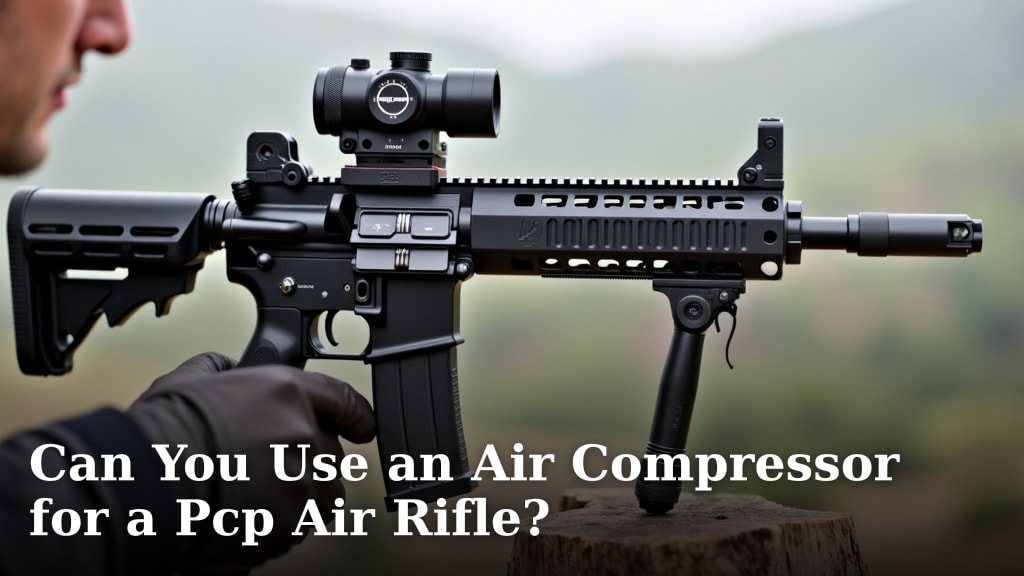
Yes, you can absolutely use an air compressor for a PCP air rifle, but it’s important to use the right type. You’ll need a high-pressure compressor specifically designed for filling PCP airguns, not a standard shop compressor.
Many air rifle enthusiasts wonder about the best way to keep their PCP charged. While hand pumps and scuba tanks are options, a dedicated PCP air compressor offers convenience. It ensures you always have a full air tank ready for your shooting sessions.
- You need a special high-pressure compressor for PCP air rifles.
- Standard shop compressors won’t work for PCP airguns.
- PCP compressors make filling your rifle much easier.
- They offer a convenient alternative to hand pumps or scuba tanks.
Let’s walk through exactly how this works and what you need to consider to safely and effectively use an air compressor for your PCP air rifle.
Using an Air Compressor for Your PCP Air Rifle
Yes, you can power your PCP air rifle with an air compressor, but you need a specific type designed for high-pressure air. Regular shop compressors won’t work because they can’t reach the extreme pressures required for PCP airguns.
Understanding PCP Air Rifles and Their Air Needs
PCP stands for Pre-Charged Pneumatic. This means your air rifle stores compressed air in a tank or cylinder, which then propels the pellets.
Unlike spring-piston or CO2 airguns, PCPs need a much higher pressure to operate. We’re talking pressures that can range from 2,000 PSI (pounds per square inch) all the way up to 4,500 PSI.
Imagine trying to inflate a car tire with a bicycle pump. It simply won’t work because the bicycle pump can’t generate enough pressure. The same principle applies here. Your PCP air rifle demands a lot of pressure, and only specialized compressors can provide it.
Why Standard Compressors Won’t Work
You might have an air compressor in your garage for tools, painting, or inflating car tires. These are fantastic for their intended uses.
However, a typical garage compressor only reaches about 100-150 PSI. As we just discussed, your PCP needs significantly more.
Attempting to use a standard compressor would be like trying to fill a swimming pool with an eyedropper. It’s just not going to get the job done, and it could even damage your equipment by trying to force it beyond its design limits.
The Right Tool for the Job: PCP Air Compressors
A PCP air compressor is specifically engineered to handle the very high pressures needed for air rifles. These units are built with stronger components and advanced filtration systems to deliver clean, dry air.
They often come with built-in safety features. This includes automatic shut-off when the desired pressure is reached. You’ll find different types, from compact portable models to larger, more robust units.
Types of PCP Air Compressors
- Portable (12V/110V) Compressors: These are smaller, often run on either car battery (12V) or household current (110V). They’re great for filling your rifle directly at the range or in the field.
- Home/Shop Compressors: These are larger, heavier units designed for more frequent use. They typically run on 110V or 220V. They can fill both your rifle and larger external tanks.
- “Oil-Less” vs. “Oil-Lubricated” Compressors: Many modern PCP compressors are oil-less, meaning they don’t require oil for internal lubrication. Oil-lubricated models often run quieter and can be more durable, but require maintenance.
Key Features to Look For in a PCP Compressor
When you’re considering a PCP air compressor, several features are crucial for both safety and convenience. Thinking about these points beforehand will help you make a good choice.
- Max Pressure Rating: Make sure it exceeds your rifle’s maximum fill pressure. If your rifle fills to 3,000 PSI, get a compressor rated for at least 3,000 PSI, preferably higher.
- Automatic Shut-off: This is a non-negotiable safety feature. The compressor should turn off automatically once it reaches your set pressure. This prevents overfilling.
- Moisture Filters: Compressed air contains moisture. Moisture is very bad for your PCP air rifle’s internal components and can lead to corrosion. A good filtration system is essential for dry air.
- Cooling System: High-pressure compression generates heat. An effective cooling system (often water-cooled or fan-cooled) helps the compressor last longer and operate more safely.
- Fill Speed: How quickly do you want to fill your rifle or tank? This varies significantly between models.
- Noise Level: Some compressors can be quite noisy. If you’ll be using it indoors, consider one with a lower decibel rating.
How to Use a PCP Air Compressor Safely
Using a high-pressure air compressor requires attention to safety. These aren’t toys. Follow the manufacturer’s instructions religiously.
We found that many incidents involving high-pressure air are due to improper handling or maintenance (Compressed Gas Association).
Step-by-Step Filling Process
- Read Manuals: Always, always read both your air rifle’s manual and your compressor’s manual.
- Secure Connections: Use the correct fill probe for your rifle. Ensure all connections are tight and secure.
- Monitor Pressure: Watch the pressure gauge on both your compressor and your rifle. Never exceed your rifle’s maximum fill pressure.
- Bleed Air: Most compressors have a bleed valve to release pressure from the hose before disconnecting. Use it.
- Allow Cooling: If filling multiple times or a large tank, let the compressor cool down between cycles to prevent overheating.
Maintaining Your PCP Air Compressor
Like any piece of equipment, your air compressor needs regular care to perform well and last longer. Think of it like changing the oil in your car.
Neglecting maintenance can lead to breakdowns, reduced efficiency, and potentially unsafe operation.
Maintenance Checklist
- Check and replace moisture filters regularly.
- Drain any condensation from the compressor’s water separator or tank.
- Inspect hoses and connections for wear or damage.
- Clean air intake filters.
- For oil-lubricated models, check and change the oil according to the manufacturer’s schedule.
- Keep the cooling vents clear of dust and debris.
Comparing Filling Methods
PCP air rifles offer several ways to get air. Let’s look at how compressors stack up against hand pumps and scuba tanks.
| Method | Pros | Cons |
|---|---|---|
| Hand Pump | Portable, inexpensive, good workout. | Labor-intensive, slow, introduces moisture, physically demanding. |
| Scuba/Carbon Fiber Tank | Fast fill, quiet, provides many fills per charge. | Needs refilling at dive shops, heavy/bulky, initial cost can be high. |
| PCP Compressor | Convenient, on-demand air, automated, fast (electric models). | Higher initial cost, requires electricity, can be noisy, some require maintenance. |
As you can see, each method has its advantages and disadvantages. A PCP compressor often offers the best balance of convenience, speed, and consistent air quality, especially if you shoot frequently.
Cost Considerations for a PCP Compressor
PCP air compressors represent an investment. You’ll find a wide range of prices, generally from a few hundred dollars for basic portable units to over a thousand for high-end, heavy-duty models.
When you’re budgeting, consider not just the upfront cost but also potential maintenance items like filter replacements. However, many owners find the convenience and reliability worth the initial expense, especially compared to the ongoing effort of hand pumping or trips to refill scuba tanks.
When is a PCP Compressor Right for You?
A PCP air compressor is an excellent choice if:
- You shoot your PCP air rifle frequently.
- You value convenience and hate pumping.
- You have easy access to electricity at your shooting location.
- You want consistently dry, clean air for your rifle.
- You own multiple PCP airguns or a large air tank.
If you’re an occasional shooter or primarily shoot in remote areas without power, a hand pump or a pre-filled scuba tank might be a better fit for your specific needs.
Conclusion
You’ve seen that using the right air compressor for your PCP air rifle is not only possible but also a game-changer for convenience and consistency. We’ve explored why standard compressors won’t cut it and what specialized features make a PCP compressor essential. With proper selection, safe usage, and regular maintenance, you can enjoy endless shooting sessions without the fatigue of hand pumping or the hassle of refilling scuba tanks. Make sure to choose a compressor that matches your rifle’s needs and your shooting frequency.
Frequently Asked Questions
Can a regular air compressor be modified for PCP air rifles?
No, you cannot safely or effectively modify a regular air compressor to fill a PCP air rifle. Standard compressors are not built to withstand the extreme pressures required (2,000-4,500 PSI). Attempting to do so would be dangerous and could lead to serious equipment failure or injury.
How often should I perform maintenance on my PCP air compressor?
Maintenance frequency depends on your compressor’s model and how often you use it. Generally, you should check and replace moisture filters and drain condensation every 5-10 hours of operation or as specified in your owner’s manual. Regular checks of hoses and connections are also recommended before each use.
Are “oil-less” PCP compressors better than “oil-lubricated” ones?
Neither type is inherently “better”; they just have different characteristics. Oil-less compressors require less maintenance regarding oil changes and often run cleaner. Oil-lubricated models can sometimes be quieter and more durable in the long run but need periodic oil checks and changes. Your choice depends on your priorities for maintenance and noise.
What is the most important safety feature to look for in a PCP compressor?
The most crucial safety feature is an automatic shut-off. This function ensures the compressor stops once it reaches your desired fill pressure, preventing dangerous overfilling of your air rifle or external tank. Always confirm this feature is present and working correctly.
Can I use a PCP compressor to fill other high-pressure air tanks, like paintball tanks?
Yes, many PCP air compressors can also fill other high-pressure air tanks, such as those used for paintball or certain SCUBA applications, provided they have the correct fill adapters and the tank’s maximum pressure rating does not exceed the compressor’s capabilities. Always verify compatibility and safety ratings before attempting to fill any tank.
