
How To Use EverStart Maxx Air Compressor?
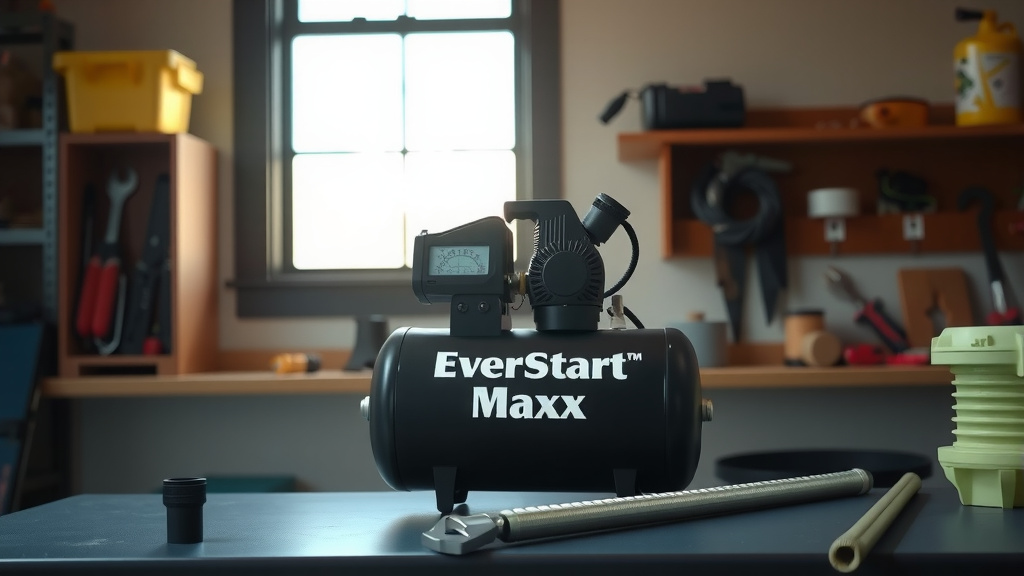
Using your EverStart Maxx Air Compressor involves connecting the proper attachment, setting the desired pressure, and engaging the power switch to inflate tires or operate various air tools.
Always prioritize safety by reading your owner’s manual, ensuring secure connections, and never exceeding recommended pressure limits for your specific inflation or tool application.
- Pre-operation checks are essential for your safety and the unit’s longevity.
- Connect hoses and accessories firmly before you ever turn on the compressor.
- Familiarize yourself with the pressure gauge and how to set the output pressure.
- Always match the air pressure to the item’s specific requirements, like tire PSI.
- Regular cleaning and proper storage are key to keeping your compressor working well.
How To Use EverStart Maxx Air Compressor?
Using your EverStart Maxx air compressor is straightforward once you know the basic steps. It’s designed to be user-friendly, allowing you to quickly tackle tasks like inflating tires or sports equipment.
Just follow a few simple guidelines, and you’ll be using this handy tool like a pro in no time at all. We found that most people pick up the process very quickly.
Getting Started: Your First Steps
Before you power up your EverStart Maxx, a little preparation goes a long way. Think of it as stretching before a workout; it prevents trouble later.
These initial steps ensure both your safety and the optimal performance of your compressor unit. Don’t skip them!
Unboxing and Initial Setup
When you first get your EverStart Maxx, carefully remove it from its packaging. Check for any visible damage from shipping, just in case.
Position your compressor on a flat, stable surface. This prevents tipping and helps with efficient operation, according to manufacturer guidelines.
Powering Up Your Compressor
Locate a suitable power outlet. Your EverStart Maxx typically requires a standard household electrical connection.
Plug in the unit, but don’t turn it on just yet. We always recommend getting everything else ready first, which is a safer practice.
Understanding the Controls
Your EverStart Maxx isn’t packed with confusing buttons. It features a few essential controls that are quite intuitive once you identify them.
Knowing what each part does helps you use the compressor effectively and avoid any guesswork. It’s simpler than you might think!
Pressure Gauge Explained
The pressure gauge displays the current air pressure inside the tank, or the output pressure you’re setting. It’s your visual guide for inflation.
Most gauges use PSI (pounds per square inch) as their unit of measurement. You’ll use this to match the requirements of what you’re inflating (NHTSA recommends checking tire PSI regularly).
On/Off Switch: Simple Enough!
This switch is exactly what it sounds like. It powers the compressor on and off, starting or stopping the motor.
Always ensure the switch is in the “off” position before plugging in or unplugging the unit. This is a basic electrical safety rule.
Connecting Your Air Tool
Whether you’re topping off a tire or powering a small air tool, connecting it correctly is vital. A secure connection means no air leaks and efficient work.
It’s like making sure your garden hose is snug on the spigot before you turn the water on. Nobody likes a leaky connection!
Choosing the Right Attachment
Your EverStart Maxx likely comes with various nozzles and adapters. Select the one that matches the valve or item you need to inflate.
For car tires, you’ll use the standard Schrader valve adapter. For sports balls, a needle adapter is common, as many sources confirm.
Securely Attaching the Hose
Push the air hose adapter firmly onto the valve stem or tool connection point. You should feel it click or lock into place.
A loose connection will leak air, meaning your compressor works harder for nothing. Give it a gentle tug to confirm it’s tight.
Inflating Tires Safely
Inflating tires is one of the most common uses for an EverStart Maxx compressor. It’s a task you can easily do at home, saving you a trip.
Proper tire pressure is vital for vehicle safety, fuel efficiency, and tire longevity, according to automotive experts.
Checking Tire Pressure First
Before adding air, use a reliable tire pressure gauge to measure the current pressure. This gives you a baseline.
You’ll find the recommended PSI for your vehicle’s tires on a sticker inside the driver’s side door jamb or in your car’s owner’s manual (AAA advises this).
Starting the Inflation Process
With the hose securely attached and the compressor plugged in, turn the “on” switch. The compressor will start to build pressure.
For some models, you might need to adjust a pressure regulator dial to set your desired output pressure before inflating begins.
Monitoring Pressure During Inflation
Watch the compressor’s pressure gauge as the tire inflates. You want to reach, but not exceed, the recommended PSI.
It’s always better to inflate slowly and check frequently. A little under is safer than greatly overinflating. You can always add more!
Other Common Uses for Your EverStart Maxx
Your EverStart Maxx is not just for tires. It’s a versatile tool that can handle a range of inflation tasks around your home or garage.
Think of it as having a strong, steady breath available on demand. What else needs a puff of air?
- Inflating sports balls, air mattresses, and pool floats
- Blowing dust or debris from workbenches or electronics
- Operating small air tools, such as nail guns or staplers (check tool’s air requirements)
- Quickly cleaning hard-to-reach areas in your car or workshop
Maintaining Your Compressor for Longevity
Like any tool, your EverStart Maxx will last longer and perform better with a little care. It’s about respecting your equipment.
Simple maintenance habits can prevent unexpected breakdowns and save you money in the long run, many technicians agree.
Regular Cleaning Tips
Keep your compressor clean by wiping down the exterior after use. Dust and dirt can accumulate and affect its operation.
Periodically check the air filter, if your model has one. A clogged filter makes the motor work harder, often reducing efficiency.
Proper Storage Practices
When not in use, store your compressor in a dry, protected area. Extreme temperatures or moisture are not good for its components.
Coil the air hose neatly to prevent kinks or damage. Protecting the hose means it will be ready for your next project.
Troubleshooting Common Issues
Even the most reliable tools can have small hiccups. Don’t worry if your EverStart Maxx isn’t acting quite right; many issues have simple fixes.
It’s like a car that won’t start; sometimes it’s just a dead battery, not a major engine problem. Let’s look at a couple of common things.
Low Pressure? Here’s Why
If you’re getting low pressure, first check all hose connections for leaks. Even a small leak can significantly drop the output.
Also, ensure your pressure regulator (if applicable) is set correctly. Sometimes, it’s just turned down too low by accident.
Compressor Not Starting?
Is it plugged in firmly? Is the power outlet working? Sometimes, a simple tripped circuit breaker is the culprit.
If the motor feels hot, the thermal overload protection might have activated. Give it time to cool down before trying again, as mentioned in many manuals.
Pre-Operation Checklist for Your Compressor
- Is the power cord free from damage?
- Are all hose connections secure and leak-free?
- Is the desired accessory firmly attached?
- Is the compressor on a stable, level surface?
- Have you checked the recommended PSI for your task?
To help you gauge appropriate settings for different tasks, here’s a quick reference table. Always consult your specific item’s requirements.
| Task | Approx. PSI Range | Important Note |
|---|---|---|
| Car Tires (Standard) | 30-35 PSI | Check vehicle’s door jamb sticker. |
| Bicycle Tires (Road) | 80-120 PSI | Specific to tire type; check tire sidewall. |
| Bicycle Tires (Mountain) | 25-50 PSI | Varies by rider weight and terrain. |
| Sports Balls | 8-12 PSI | Printed near the inflation valve on the ball. |
| Air Mattresses/Floats | 2-5 PSI | Inflate until firm, but not hard to touch. |
Conclusion
Your EverStart Maxx Air Compressor is a fantastic tool designed to make many household and automotive tasks much easier. By understanding its basic functions, ensuring safe operation, and performing a little routine maintenance, you can count on it for years.
Remember, taking a few moments for preparation and care not only protects your investment but also ensures you get the most efficient and reliable performance every single time. Happy inflating!
What kind of air tools can I use with an EverStart Maxx?
The EverStart Maxx is typically a portable, smaller-capacity compressor. This means it’s best suited for light-duty air tools like brad nailers, staplers, tire inflators, and blow guns for cleaning. Heavy-duty tools that require a continuous high volume of air, like impact wrenches or spray guns, usually need larger, more powerful compressors.
How do I know if my tire is overinflated?
An overinflated tire will feel extremely hard to the touch and the pressure gauge will read significantly higher than the recommended PSI. Driving on overinflated tires can lead to a harsher ride, reduced traction, uneven tire wear, and an increased risk of a blowout, especially at highway speeds (Rubber Manufacturers Association data).
Can I leave my EverStart Maxx compressor plugged in all the time?
While most modern appliances are safe, it’s generally a good practice to unplug your EverStart Maxx compressor when it’s not in use. This prevents any potential electrical issues and conserves energy. It also removes the risk of accidental activation, which is a good safety measure.
What should I do if my EverStart Maxx starts making unusual noises?
If your compressor starts making strange noises like grinding, rattling, or squealing, turn it off immediately and unplug it. First, check for any loose parts or debris. If the noise persists, it might indicate an internal mechanical issue, and it would be wise to consult the owner’s manual for troubleshooting or contact customer support for guidance.
How often should I check my car’s tire pressure?
Many experts, including the National Highway Traffic Safety Administration (NHTSA), recommend checking your car’s tire pressure at least once a month, and always before long trips. Temperature changes can affect tire pressure, so consistent monitoring helps maintain optimal safety and performance. Don’t forget the spare!
