
How To Use Ryobi Air Compressor?
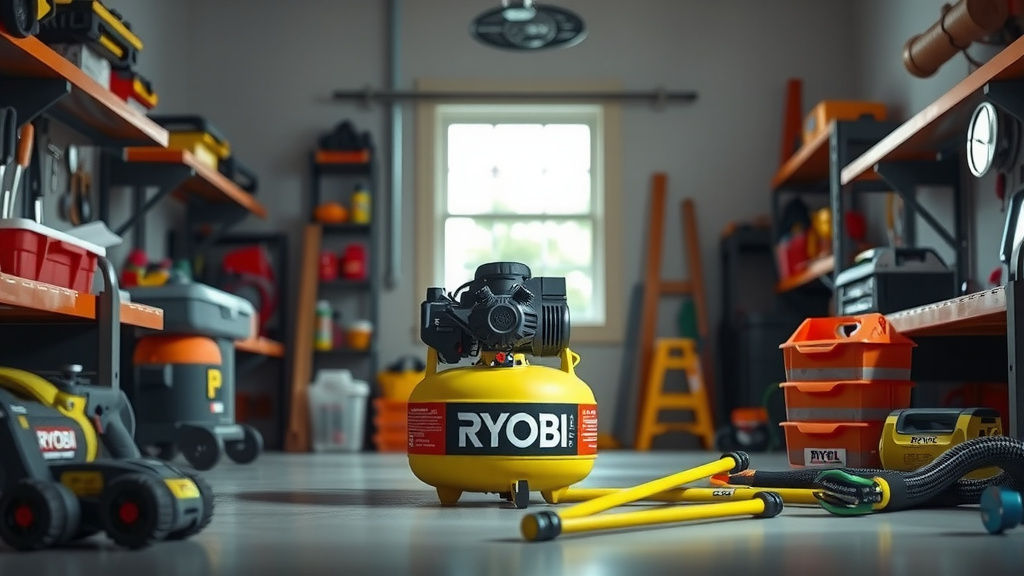
To use your Ryobi air compressor, first connect the appropriate air tool to the hose, then plug the compressor into power. Next, set the pressure (PSI) on the regulator dial to match your specific tool’s requirement.
Always consult your air tool’s manual for recommended operating pressures before starting any project for safe and effective use.
- Connect your air hose and preferred tool securely to the compressor.
- Plug in the compressor and allow it to build up to its maximum pressure.
- Adjust the pressure regulator to the PSI needed for your specific task, like inflating tires or operating a nail gun.
- Prioritize safety by wearing eye and ear protection before operating any air tools.
- Remember to drain the air tank after each use to prevent rust and extend your compressor’s lifespan.
How To Use Ryobi Air Compressor?
Using your Ryobi air compressor is quite simple, focusing on safe setup and proper pressure settings. We found that most tasks require just a few clear steps to get started with your new tool. Think of it as preparing a meal; each step builds on the last for a perfect outcome.
Getting Started with Your Ryobi Compressor
Before you even plug in your Ryobi air compressor, a little preparation goes a long way. It’s like setting up a workstation before starting a project. This ensures everything runs smoothly from the first flick of the switch.
Unboxing and Initial Checks
Once you unbox your compressor, take a moment to look it over. Check for any visible damage from shipping. Make sure all parts listed in the manual are present. This quick scan helps you avoid surprises later on.
Finding the Right Spot
Place your compressor on a flat, stable surface. Good ventilation is also important. Avoid cramped spaces or areas with excessive dust. Giving it room to breathe helps prevent overheating and keeps the motor happy.
Connecting Your Air Hose and Tools
This is where your compressor starts to become useful. Connecting the hose and tools properly is key to a leak-free and efficient operation. It’s like connecting a garden hose; a good connection means no wasted water or air.
Attaching the Air Hose
Locate the air outlet on your Ryobi compressor, usually a quick-connect coupler. Push your air hose fitting firmly into this coupler until it clicks into place. Give it a gentle tug to ensure it’s secure.
Coupling Your Air Tool
Most air tools use a similar quick-connect fitting. Attach the air tool to the other end of your air hose. Again, push it in until it clicks. This secure connection is vital for maintaining consistent air pressure (tool manufacturer guidelines).
Powering Up and Setting Pressure
Now that everything is connected, it’s time to bring your compressor to life. Setting the correct pressure is the most critical step for effective tool operation and safety. Too much or too little pressure can ruin your work or even damage the tool.
Plugging In and Powering On
Plug the compressor into a suitable grounded electrical outlet. Then, turn the power switch to the “On” position. You’ll hear the motor kick on as it starts to build air pressure inside the tank. It will stop automatically once maximum pressure is reached.
Understanding the Regulator Dial
Your Ryobi compressor has a pressure regulator dial, often with a gauge showing the output PSI. This dial controls the air pressure delivered to your tool. Adjust it carefully, turning it clockwise to increase pressure and counter-clockwise to decrease it.
Setting the Right PSI for Your Task
Always check your air tool’s manual for its recommended operating PSI. For example, inflating tires might need 30-40 PSI, while a nail gun could require 70-120 PSI. Setting the correct pressure prevents damage and ensures efficient work.
Prioritizing Safety First
Working with compressed air can be powerful. Like any strong tool, safety should always be your top concern. We found that taking a few simple precautions makes a big difference in preventing accidents (Occupational Safety and Health Administration).
Personal Protective Equipment
Always wear safety glasses or goggles to protect your eyes from debris. We also recommend hearing protection, especially with larger compressors, as they can be quite loud. Gloves can protect your hands from pinches or splinters.
Checking for Leaks
Before you begin your work, listen for any hissing sounds around connections. A small leak means wasted air and less power for your tool. A common trick is to apply a soapy water solution to connections; bubbles mean a leak.
Essential Maintenance for Longevity
A little bit of care after each use can significantly extend the life of your Ryobi air compressor. It’s like changing the oil in your car; regular maintenance keeps things running smoothly.
Draining the Tank
After each use, turn off and unplug the compressor. Then, open the drain valve located at the bottom of the tank. This releases any condensed moisture, which prevents rust buildup inside the tank. Rust is the enemy of air compressors.
Air Filter Care
Periodically check the air intake filter. If it looks dirty or clogged, clean or replace it according to your Ryobi manual. A clean filter ensures clean air goes into the compressor, protecting its internal components.
Common Tasks for Your Ryobi Compressor
Ryobi compressors are versatile tools for various jobs around the house or workshop. You might be surprised by just how many things they can help you with. It’s like having an extra pair of hands with powerful lungs!
Inflating Tires and Sports Equipment
This is one of the most popular uses. Attach an inflation nozzle, set the correct PSI, and you can quickly fill car tires, bicycle tires, or even basketballs. No more struggling with hand pumps.
Using Nail Guns and Staplers
For DIY projects, a pneumatic nail gun speeds up framing, trim work, and fencing. A Ryobi compressor provides the consistent air supply needed for these powerful tools, making big jobs feel smaller.
Powering Air Blow Guns
An air blow gun is excellent for cleaning sawdust, debris, or drying surfaces quickly. It’s a handy tool for tidying up your workspace after a project or before painting.
| Task | Typical PSI Range | Common Tool |
|---|---|---|
| Inflating Car Tires | 30-35 PSI | Tire Inflator |
| Inflating Sports Balls | 8-15 PSI | Ball Needle |
| Finish Nailing | 70-90 PSI | Brad Nailer |
| Framing Nailing | 90-120 PSI | Framing Nailer |
| Blowing Dust | 40-60 PSI | Air Blow Gun |
Troubleshooting Minor Issues
Even with good care, you might run into a small problem now and then. Don’t worry, many issues have simple solutions. We found that most problems stem from just a few common areas.
- Compressor not turning on: Check power connection, outlet, and reset button.
- Loss of pressure: Look for leaks in hoses or fittings. Ensure tools are connected tightly.
- Compressor running constantly: This often indicates a leak somewhere, or a faulty pressure switch.
- Excessive noise: Make sure the compressor is on a stable, level surface. Check for loose parts.
- Tool not working: Verify PSI setting is correct for the tool and that the tool itself isn’t clogged.
Conclusion
Using your Ryobi air compressor is a straightforward process once you understand the basic steps and safety guidelines. From proper setup to diligent maintenance, each action contributes to the tool’s performance and your project’s success. By following these practical tips, you can confidently tackle a wide range of tasks and keep your compressor running efficiently for many years to come.
How often should I drain my Ryobi air compressor tank?
It’s best practice to drain your Ryobi air compressor tank after every use, especially in humid environments. This simple action prevents moisture buildup, which can lead to rust and shorten the lifespan of your compressor.
What kind of oil does a Ryobi air compressor use?
Many modern Ryobi air compressors are oil-free, meaning they don’t require oil maintenance. However, if your specific model is oil-lubricated, always refer to your Ryobi owner’s manual for the exact type and weight of oil recommended by the manufacturer.
Can I use an extension cord with my Ryobi air compressor?
While generally discouraged, if an extension cord is absolutely necessary, we found it’s critical to use a heavy-duty, outdoor-rated cord that is as short as possible and has the correct gauge wire (e.g., 12-gauge or thicker for longer cords) to prevent voltage drop and overheating.
Why is my Ryobi air compressor not building enough pressure?
If your Ryobi air compressor isn’t building enough pressure, first check for any air leaks in the hose, fittings, or tool connections. A dirty air filter or an open drain valve can also prevent proper pressure buildup. Sometimes, the pressure switch might need attention.
What is the recommended maximum duty cycle for Ryobi compressors?
The duty cycle indicates how long an air compressor can run continuously before needing to cool down. While specific figures vary by model, most consumer-grade Ryobi compressors are designed for intermittent use. We recommend consulting your specific model’s manual for its exact duty cycle to avoid overheating.
