How To Check Air Compressor In Car?
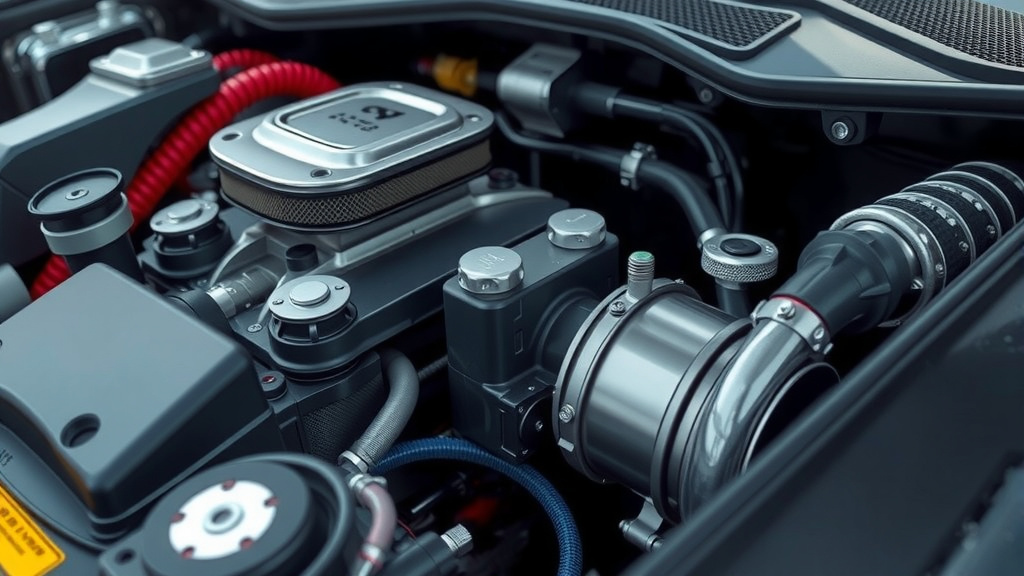
To check your car’s air compressor, begin by listening for unusual noises and visually inspecting it for leaks or damaged belts. A quick test involves seeing if the compressor clutch engages when your AC is turned on.
If your car’s AC isn’t blowing cold air, checking the air compressor is a smart first step to diagnose the issue. Look for signs like weak cooling, strange sounds, or visible fluid around the unit.
Here’s a quick summary if you’re in a hurry:
- If your AC isn’t cold, suspect the compressor first.
- Listen for odd noises like grinding or squealing under the hood.
- Visually check the compressor for any oil leaks or worn belts.
- See if the compressor clutch spins when you turn on the AC.
- Consider a professional AC system pressure test for a full diagnosis.
How To Check Air Compressor In Car?
Checking your car’s air compressor involves a mix of observation and simple tests. You’ll look, listen, and feel for specific signs of trouble.
Why Does Your Car Even Have An Air Compressor?
Think of your car’s air compressor as the heart of your AC system. It pumps refrigerant through the system. This process helps remove heat from inside your car, giving you that wonderful blast of cold air. Without it, your AC is just a fan.
Signs Your Car’s Air Compressor Might Be Struggling
Before diving into checks, let’s identify potential red flags. Your car often tells you when something is wrong. Paying attention can save you time and hassle down the road. It’s like when your body sends little signals. The car does too. Many experts say that early detection is key to preventing bigger repairs (Mayo Clinic).
Weak Cooling or No Cold Air
Is your AC blowing only warm or mildly cool air? This is the most obvious sign. The compressor might not be building enough pressure. It could also be struggling to circulate the refrigerant. You might notice this more on a hot day.
Strange Noises from Under the Hood
When your AC is on, listen closely. Do you hear grinding, squealing, or rattling sounds? These noises can point to internal problems. Bearings might be failing, or other internal components are worn. It often sounds like something is struggling. We found that a healthy compressor should run smoothly and quietly.
Visible Leaks or Odors
Take a peek around your compressor. Do you see any greenish or yellowish oily residue? This often means a refrigerant leak. Leaks not only harm the environment but also drain your system. A sweet, chemical smell can also indicate a refrigerant leak. Many guidelines point to swift action on leaks (Environmental Protection Agency).
Clutch Not Engaging
The compressor clutch connects the compressor to the engine. When you turn on your AC, you should hear a distinct “click” as the clutch engages. If you don’t hear it, or it doesn’t spin, the compressor isn’t working. This is a very common issue. Sometimes the clutch itself is faulty, not the whole compressor.
Essential Tools for Checking Your Compressor
You don’t need a full mechanic’s toolkit for a basic check. Here are a few things that come in handy:
- A flashlight to see into tight spaces.
- Safety glasses to protect your eyes.
- Gloves for hand protection.
- A basic multimeter for electrical tests (optional, but useful).
Step-by-Step Guide to Inspecting Your Compressor
Alright, let’s get hands-on. Remember, safety first! Make sure your car is parked on a level surface. Always turn off the engine and engage the parking brake before working under the hood. This keeps you safe while you inspect.
Visual Inspection: What Can You See?
Open your hood and locate the AC compressor. It’s usually mounted low on the engine. Look for its pulley with a belt around it. Scan for any obvious damage. Check the belt for cracks, fraying, or excessive looseness. Look for any oil stains on or around the compressor body. These are often clear signs of trouble. A worn belt can also cause noise or prevent the compressor from turning correctly. We found that belt condition is often overlooked but very important.
Listening for Clues: What Can You Hear?
With your engine running and AC turned on high, listen closely to the compressor area. A healthy compressor will typically make a soft humming sound. Any loud grinding, knocking, or squealing indicates a problem. Sometimes, these noises only happen when the AC is running. This helps isolate the issue directly to the compressor.
Checking the Compressor Clutch
Have someone turn the AC on and off while you observe the compressor. You should see the center part of the pulley (the clutch) engage and disengage. It should spin with the outer pulley when engaged. If it doesn’t spin, or it spins intermittently, you have a clutch issue. A simple check involves watching for this action. Many experts say clutch engagement is a key indicator.
Electrical Connection Check
A bad electrical connection can mimic a faulty compressor. Locate the electrical connector on your compressor. Gently check if it’s securely plugged in. Look for any corrosion or damaged wires. Sometimes, simply cleaning or re-seating the connector can fix the problem. Use a multimeter if you feel comfortable to test for power. Research often connects poor electrical contacts with compressor failures (Automotive Service Association).
Professional Pressure Test
For a definitive diagnosis, a pressure test is crucial. This requires specialized gauges. It measures the high and low-side pressures of the refrigerant system. This test tells you if the system has enough refrigerant. It also indicates if the compressor is generating proper pressure. This is best left to professionals, as it involves handling refrigerant. Here’s what pressure readings might mean:
| Pressure Reading | Potential Issue |
|---|---|
| Low Pressure (Both Sides) | Low refrigerant charge / leak |
| High Low-Side, Low High-Side | Compressor internal fault / worn |
| Normal Low-Side, Very High High-Side | Restriction in system (e.g., condenser) |
When to Seek Professional Help
If you’ve done your checks and are still unsure, or if you’ve identified a major issue like a leak, it’s time for a mechanic. AC systems involve pressurized refrigerant, which can be dangerous if mishandled. They also require special tools for evacuation and recharging. Don’t hesitate to call an expert. A professional can diagnose accurately and ensure safe repair. Many experts say that complex AC issues are best handled by certified technicians (National Institute for Automotive Service Excellence).
Common Causes of Compressor Failure
Understanding why compressors fail can help prevent future issues. Often, it’s a chain reaction. Here are some common culprits we found:
- Lack of lubrication: Refrigerant also carries oil. Low refrigerant means low oil, leading to wear.
- Contamination: Debris from a previous system failure can damage a new compressor.
- Electrical issues: Faulty wiring or a bad relay can prevent engagement.
- Wear and tear: Like any mechanical part, it eventually wears out.
- Leaks: Loss of refrigerant leads to insufficient cooling and lubrication.
Here’s a quick checklist for basic maintenance to help your AC last:
- Check AC performance annually.
- Run AC briefly even in winter.
- Inspect belts regularly.
- Address any unusual noises immediately.
- Keep an eye out for visible leaks.
Conclusion
Checking your car’s air compressor might seem daunting, but with these simple steps, you can often diagnose problems yourself. Remember to look for visible damage, listen for strange sounds, and observe the compressor clutch. Early detection can save you from a complete system failure and a hefty repair bill. When in doubt, always consult a professional. Keeping your cool on the road is worth the effort, don’t you think?
Is it OK to drive with a bad AC compressor?
You can usually drive your car with a bad AC compressor, but your air conditioning won’t work. If the compressor is seized, it might put a strain on your engine or cause the serpentine belt to break, so it’s best to address it quickly.
How long do car AC compressors usually last?
A car AC compressor can last anywhere from 100,000 to 150,000 miles, or even longer, depending on your driving habits and maintenance. Like any car part, its lifespan varies.
Can a low refrigerant level damage the compressor?
Yes, absolutely. Refrigerant also carries the oil that lubricates your compressor. If the refrigerant level is too low, the compressor runs without enough lubrication, leading to premature wear and failure.
Can I replace just the clutch on my AC compressor?
Sometimes you can replace just the compressor clutch, especially if the compressor itself is still working properly. This is a less expensive repair. A mechanic can tell you if a clutch replacement is possible for your specific vehicle and compressor type.
How much does it cost to replace a car AC compressor?
The cost to replace a car AC compressor varies widely based on your car’s make and model, and labor rates. You might expect to pay anywhere from $500 to over $1,000 for parts and labor. It’s always a good idea to get a few quotes.