
How To Create A Vacuum With An Air Compressor?
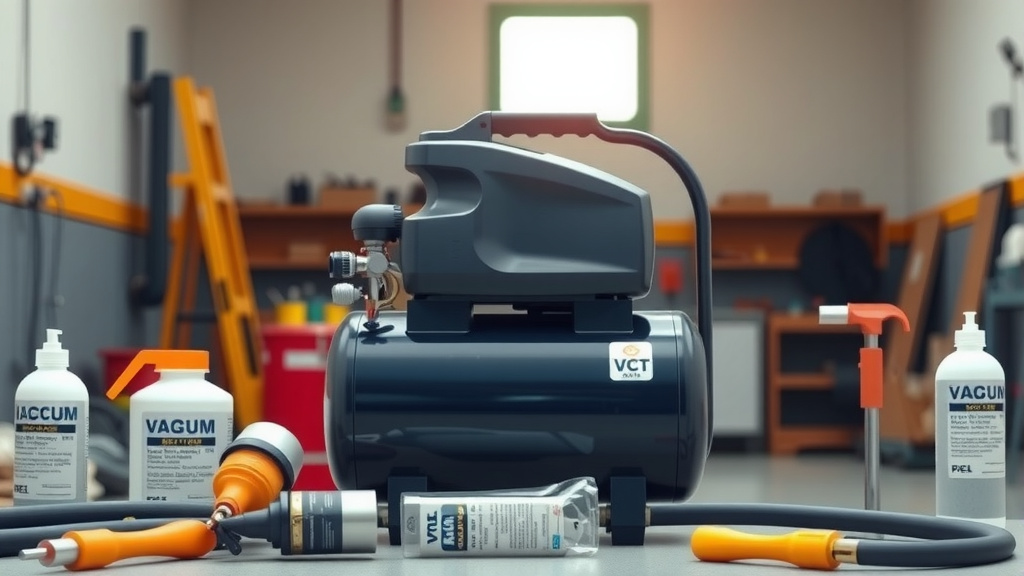
You can create a vacuum with an air compressor by using an air ejector or Venturi vacuum generator, which effectively converts positive air pressure into negative suction. This method is ideal for many light-duty vacuum applications, making your existing compressor a versatile tool.
This process works by forcing compressed air through a constricted opening, causing a rapid drop in pressure, which then creates a strong vacuum effect. You’ll find it’s a smart way to get suction without a dedicated vacuum pump.
Here’s a quick overview of how you can create a vacuum with your air compressor:
- Utilize a Venturi vacuum generator, which is a small, affordable device.
- Connect it to your compressor’s air outlet for instant suction.
- Understand that it’s best for intermittent and lighter vacuum tasks, not continuous heavy-duty work.
- Always prioritize safety and proper setup to get the best results.
How To Create A Vacuum With An Air Compressor?
You can effectively create a vacuum using your air compressor by employing a Venturi vacuum generator or an air ejector, which transforms compressed air into suction.
Understanding the Venturi Principle
At the heart of creating a vacuum with an air compressor is the Venturi effect. Imagine water flowing through a garden hose. If you squeeze the hose, the water speeds up, right? Air does something similar.
When compressed air passes through a narrow throat, its speed increases dramatically. This increase in velocity causes a significant drop in static pressure. This lower pressure area is your vacuum!
Many experts say this principle is quite ingenious. It allows a simple device to do a complex job (Engineering.com).
The Key Tool: Venturi Vacuum Generators
To harness this effect, you need a Venturi vacuum generator, sometimes called an air ejector or vacuum pump. These small devices are relatively inexpensive and simple to use.
They have an inlet for your compressed air, a nozzle inside to create the Venturi effect, and a port where the vacuum is generated. You connect your vacuum hose to this port.
Choosing the Right Generator
Not all Venturi generators are alike. They come in various sizes and materials. The size affects the vacuum strength and air consumption. We found that matching the generator to your compressor’s CFM (cubic feet per minute) output is crucial for efficiency.
You wouldn’t use a tiny generator with a huge industrial compressor, would you? It’s all about balance.
Step-by-Step Setup for Vacuum Creation
Setting up your system is straightforward. You’ll need a few basic components.
- Air Compressor: Ensure it’s producing clean, dry air.
- Venturi Vacuum Generator: The device that creates the vacuum.
- Air Hose: To connect your compressor to the generator.
- Vacuum Hose: To connect the generator to your application.
- Air Filter/Regulator: Helps protect your generator and control pressure.
Connecting Your System
First, make sure your compressor is off and depressurized. Connect an air hose from your compressor’s outlet to the air inlet port of the Venturi generator. Next, attach the vacuum hose to the generator’s vacuum port. This hose will lead to whatever you need to apply suction to, like a vacuum bag or a lifting cup.
Here’s a quick checklist to follow for setup:
- Safety First: Wear eye and ear protection.
- Check Connections: Ensure all hoses are securely fastened.
- Verify Air Pressure: Set your compressor to the recommended pressure for your Venturi unit.
- Test Gently: Start with a low pressure and gradually increase as needed.
- Monitor Performance: Listen for leaks and observe the vacuum effect.
Practical Applications for Compressor-Generated Vacuum
Using your air compressor for vacuum isn’t just a fun trick; it has many real-world uses. It’s particularly good for tasks where a dedicated vacuum pump might be overkill or unavailable.
Some common applications include:
| Application Type | What You Can Do | Best For |
|---|---|---|
| Light Lifting | Picking up small, flat objects with suction cups. | Small parts, temporary holds. |
| Clamping | Holding wood or other materials firmly during gluing or machining. | Woodworking, assembly tasks. |
| Draining/Siphoning | Removing fluids from tanks or lines. | Automotive, plumbing repairs. |
| Vacuum Sealing | Removing air from bags for storage. | Food preservation, protecting items. |
| Small Leak Detection | Creating a negative pressure to find leaks in sealed systems. | HVAC, automotive diagnostics. |
Limitations and Considerations
While an air compressor can generate a vacuum, it’s important to understand its limitations. This method typically won’t achieve the deep, sustained vacuum levels of a dedicated vacuum pump.
It also consumes compressed air constantly, which means your compressor will run more often. This can lead to increased energy use and wear on your compressor. Many guidelines point to this as a trade-off for convenience (Manufacturer’s Handbook).
Energy Consumption
Keep in mind that generating vacuum this way uses a lot of compressed air. Your compressor will be working hard, potentially cycling on and off frequently. For very long or continuous vacuum applications, a dedicated electric vacuum pump is often more efficient.
Safety First: Important Precautions
Whenever you work with compressed air and vacuum, safety is paramount. Always wear appropriate personal protective equipment, like safety glasses and hearing protection. Compressed air can be powerful, and vacuum can create strong forces.
Ensure all fittings are secure to prevent hoses from whipping around if they disconnect. We found that a good general rule is to always read your equipment manuals. (OSHA guidelines emphasize this for all pneumatic tools).
Maintaining Your System for Longevity
To keep your vacuum setup running smoothly, a little maintenance goes a long way. Regularly check your Venturi generator for any blockages or wear. Compressed air can carry particles, so an air filter upstream is a smart addition.
Also, keep an eye on your hoses for cracks or leaks. A small leak in your vacuum hose can drastically reduce the suction power, making your efforts less effective.
Conclusion
Creating a vacuum with an air compressor is a remarkably practical and often overlooked technique. By simply adding a Venturi vacuum generator to your existing setup, you can unlock a new range of possibilities for your compressor. Whether you’re lifting small parts, clamping materials, or even draining fluids, this method offers a convenient solution.
Remember, it’s perfect for light to moderate, intermittent tasks. While it won’t replace a specialized vacuum pump for industrial-grade deep vacuum, it’s an efficient and cost-effective way to get suction when you need it. Just be sure to set it up correctly, prioritize safety, and you’ll find your air compressor is even more versatile than you thought!
How does a Venturi vacuum generator work?
A Venturi vacuum generator functions by accelerating compressed air through a constricted nozzle, which causes a rapid decrease in air pressure. This pressure drop then creates a low-pressure zone, or vacuum, at a connected port, drawing in air from that area.
Can any air compressor create a vacuum?
Yes, any air compressor capable of delivering sufficient consistent airflow and pressure can be used to create a vacuum when paired with an appropriate Venturi vacuum generator. The key is matching the generator’s requirements to your compressor’s output.
Is using an air compressor for vacuum energy efficient?
For short, intermittent vacuum tasks, using an air compressor with a Venturi generator can be quite practical. However, for continuous or deep vacuum applications, it is generally less energy-efficient than a dedicated electric vacuum pump due to the constant air consumption.
What are the main advantages of using a compressor for vacuum?
The main advantages include cost-effectiveness, as you leverage existing equipment; portability, since many compressors are mobile; and simplicity of setup. It offers a convenient solution for various tasks without needing a separate, specialized vacuum pump.
What safety precautions should I take when creating a vacuum with an air compressor?
Always wear eye and hearing protection, ensure all hose connections are secure to prevent accidental disconnections, and never exceed the maximum pressure ratings for your equipment. Regularly inspect hoses and fittings for damage, and always consult your equipment manuals for specific guidelines.
