
How To Diagnose Air Compressor Problems?
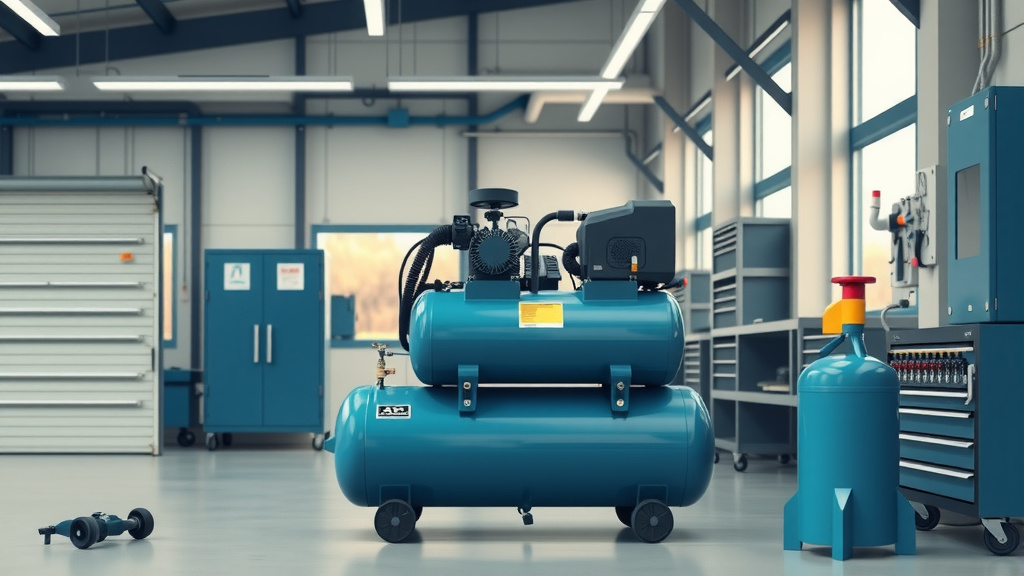
To diagnose air compressor problems, start by checking power supply and circuit breakers for basic functionality. Listen for unusual noises and inspect for visible air leaks around fittings and hoses.
Next, test the pressure switch and check the air filter for clogs, as these are common culprits when an air compressor fails to build or maintain proper pressure. We found that most issues stem from these simple areas.
- Quickly check power source and breaker if your compressor won’t start.
- Listen for hisses and look for bubbles to find common air leaks.
- Inspect your air filter; a dirty one can stop pressure from building.
- Test the pressure switch; it often controls starting and stopping.
- Consider worn parts like check valves or piston rings if other fixes fail.
How To Diagnose Air Compressor Problems?
Diagnosing air compressor problems involves systematically checking its power, air system, and mechanical components. You are looking for simple issues that stop the unit from running or building pressure properly.
Why Troubleshooting Matters
You rely on your air compressor for many tasks. When it acts up, it stops your work. Learning to diagnose problems yourself can save you time and money. It also helps you understand your equipment better.
Think of it like understanding your car. A little knowledge goes a long way. Fixing small issues quickly prevents them from becoming big, costly repairs down the road.
Safety First: Before You Begin
Before touching anything, always prioritize your safety. Air compressors store high-pressure air and use electricity. This makes them potentially dangerous if not handled with care.
Always disconnect the power cord from the outlet. Release any stored air pressure from the tank before inspection. Wear appropriate safety gear, like gloves and eye protection. Many experts say safety is the very first step (OSHA guidelines).
Is Your Compressor Not Starting?
When your air compressor doesn’t even hum to life, it feels frustrating. The good news is, often the cause is something straightforward. We found that power issues are a frequent starting point for this problem.
Checking Power Connections
First, confirm the power cord is securely plugged into a working outlet. Is the outlet getting power? Try plugging in another appliance. You might have a tripped circuit breaker.
Go to your electrical panel and look for a tripped breaker. It will be in the “off” or middle position. Flip it firmly to “off,” then back to “on.” This simple action fixes many “no power” issues.
The Pressure Switch Dilemma
The pressure switch tells your compressor when to start and stop. If it’s faulty, your unit won’t get the signal to begin compressing air. Sometimes, the switch might be stuck in the “off” position.
You can sometimes gently tap the pressure switch housing to see if it unjams. If that doesn’t work, we found that testing the switch with a multimeter often confirms if it’s operating correctly. Research suggests this component is a common point of failure (Industry Tech Journals).
Not Building Enough Pressure?
Perhaps your compressor turns on but just can’t reach its usual pressure. This issue can stem from several places. It usually points to a problem within the air compression system itself.
Hunting for Air Leaks
Air leaks are sneaky. They let pressure escape before it builds up in the tank. You might hear a hissing sound, but often, they are silent. This is one of the most common reasons for low pressure.
- Check all fittings and connections. Are they tight?
- Inspect hoses for cracks or punctures.
- Look at the drain valve on the bottom of the tank. Is it fully closed?
- Spray soapy water on suspected areas. Bubbles will reveal even tiny leaks.
We found that even small leaks can make a big difference. Think of it like a bucket with tiny holes; it never fills completely.
Clogged Air Filters
Your compressor breathes air through an intake filter. If this filter gets clogged with dust and debris, your compressor struggles to pull in enough air. This makes it hard to build pressure.
Remove the air filter and inspect it. Is it dirty? Replace it if it looks dusty or worn. This simple fix can restore proper pressure and protect your pump. Many manufacturers recommend regular filter changes.
Faulty Check Valve
The check valve lets air into the tank but stops it from flowing back out. If this valve gets stuck open, air escapes back into the pump. This makes it impossible for the tank to hold pressure.
You can usually find the check valve where the air line from the pump connects to the tank. A faulty check valve might cause air to escape when the compressor shuts off. Listen closely for a hiss coming from this area.
Worn Compressor Pump Components
Over time, parts inside the compressor pump itself can wear out. Piston rings might lose their seal, or valve plates might become damaged. When this happens, the pump cannot compress air efficiently.
This is a more serious problem. If you’ve checked everything else and still have low pressure, worn internal pump parts could be the culprit. Repairing these might require a professional, as it often means a pump rebuild.
Strange Noises or Constant Running?
Does your compressor sound like it’s complaining? Or does it just keep running without shutting off? These are distinct problems that need your attention. They often point to mechanical wear or a faulty pressure switch.
Dealing with Unusual Sounds
A rattling, grinding, or loud knocking sound is a red flag. It usually means something is loose or worn out. Check for loose bolts, motor mounts, or pulleys. Tightening these can often quiet things down.
Sometimes, the motor bearings might be failing, causing a high-pitched whine or grinding. This needs professional service. A worn pump also makes unusual noises, telling you it’s struggling.
Why Your Compressor Won’t Shut Off
If your compressor runs continuously, it’s likely a pressure switch issue or a significant air leak. The pressure switch should stop the motor once the tank reaches its set pressure. If it doesn’t, it’s not sensing the pressure correctly or it’s defective.
Alternatively, a very large air leak might prevent the tank from ever reaching its full pressure. This forces the compressor to run nonstop, trying to fill a leaky tank. Always recheck for leaks if your compressor won’t cycle off.
Quick Troubleshooting Checklist
When you’re facing a problem, a systematic approach saves time. Here’s a quick checklist to guide your diagnosis:
- Is the power cord plugged in and secure?
- Has the circuit breaker tripped?
- Is the pressure switch working correctly?
- Are there any audible air leaks?
- Is the air intake filter clean?
- Is the tank drain valve fully closed?
- Are all fittings and hoses tight?
Repair or Replace? Making the Right Choice
Sometimes, fixing a compressor makes sense. Other times, it’s better to invest in a new one. This decision depends on the problem’s severity, your unit’s age, and the cost of parts.
When to Repair, When to Replace
Consider the lifespan of your unit. Many experts suggest compressors have a certain economic life. Here’s a simple guide:
| Problem Type | Repair Action | Replace Consideration |
|---|---|---|
| Minor Leaks / Clogs | Simple part replacement, filter change | Keep, usually low cost to fix |
| Pressure Switch Failure | Replace switch | Consider if unit is very old, multiple issues |
| Motor / Pump Rebuild | Costly, time-consuming | If cost approaches new unit, replace |
| Tank Rust / Punctures | Usually not repairable | Always replace, safety risk |
We found that replacing a tank due to rust is almost never recommended due to safety concerns (Compressed Air Safety Standards).
Keeping Your Compressor Healthy
Preventative maintenance is your best friend. It helps avoid many of the problems we discussed. Regular checks keep your compressor running smoothly and extend its life.
Regular Maintenance is Key
Change your air filter routinely, especially in dusty environments. Drain moisture from the tank after each use to prevent rust. Check for loose connections periodically. Many experts agree that these simple steps save money in the long run.
Also, keep an eye on oil levels if your compressor is oil-lubricated. Always use the manufacturer-recommended oil. A well-maintained compressor works reliably when you need it most.
Conclusion
Diagnosing air compressor problems doesn’t need to be a mystery. By following a logical approach, starting with power and moving through the air system, you can pinpoint most issues yourself. Remember to always prioritize safety by disconnecting power and releasing pressure. Regular maintenance is your best tool for preventing future headaches. With a little care, your air compressor will serve you well for many projects to come.
What is the most common reason an air compressor won’t turn on?
The most common reason an air compressor won’t turn on is a lack of power. This usually means a tripped circuit breaker, an unplugged power cord, or a faulty outlet. Always check these basics first.
How can I tell if my air compressor has a leak?
To detect an air leak, listen carefully for a hissing sound around fittings and hoses. For harder-to-find leaks, spray a solution of soapy water over suspected areas; bubbles will form where air is escaping.
Why is my air compressor running constantly but not building pressure?
If your air compressor runs constantly but doesn’t build pressure, the most likely culprits are a significant air leak, a clogged air intake filter, or a faulty check valve that allows air to flow back from the tank.
When should I consider replacing my air compressor instead of repairing it?
You should consider replacing your air compressor if the repair cost approaches that of a new unit, if the tank is rusted or compromised, or if the unit is very old and experiencing multiple, frequent breakdowns.
What basic maintenance should I perform on my air compressor?
Basic maintenance includes regularly draining moisture from the tank, checking and cleaning or replacing the air intake filter, monitoring oil levels (if applicable), and inspecting hoses and fittings for wear or leaks.
