
How To Seal Air Compressor Fittings?
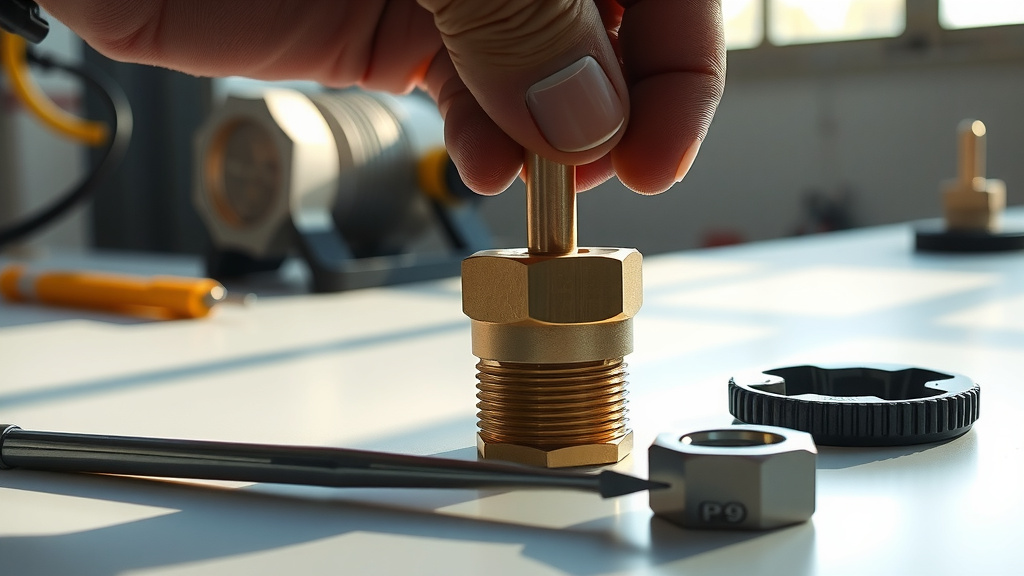
To effectively seal air compressor fittings, you typically use either PTFE (Teflon) tape or a liquid pipe thread sealant. These materials create an airtight barrier, preventing leaks in your pneumatic system.
Proper sealing is vital for maintaining air pressure, ensuring your compressor operates efficiently, and extending the life of your tools.
- Properly sealing air compressor fittings is key to stopping leaks and keeping pressure high.
- You have two main choices: PTFE tape or a liquid thread sealant.
- Always clean fittings first and apply sealant correctly for a lasting, airtight seal.
- Ignoring leaks can waste energy, harm tools, and even pose safety risks.
How To Seal Air Compressor Fittings?
Sealing air compressor fittings means creating a leak-proof connection to keep your system running strong. This is a common task, and thankfully, it’s quite straightforward once you know the tricks.
Why Bother Sealing Air Compressor Fittings?
You might wonder, “Is sealing really that important?” Absolutely! An unsealed fitting is an open invitation for air to escape. This means your compressor works harder, cycles more often, and uses more energy. It’s like pouring money down the drain, right?
Plus, consistent air leaks reduce the pressure available to your tools. That drill might not spin as fast, or your impact wrench might not deliver full power. We found that even small leaks can drastically impact tool performance over time.
The Hidden Costs of Leaks
Think about it: every time your compressor kicks on to replace lost air, it’s using electricity. Over a year, those tiny leaks add up to a surprising amount on your utility bill. Many experts agree that addressing leaks is one of the quickest ways to improve compressor efficiency (U.S. Department of Energy).
The Two Main Sealant Superstars
When it comes to sealing fittings, two products dominate the scene: PTFE tape and liquid pipe thread sealant. Each has its fans, and each works a little differently.
PTFE Tape: The Classic Choice
You probably know PTFE tape as “Teflon tape.” It’s thin, white, and super slippery. It works by filling the tiny gaps in threaded connections, creating a snug seal. It’s affordable, easy to use, and doesn’t make a mess.
How PTFE Tape Works Its Magic
When you wrap PTFE tape around threads, it essentially deforms and squishes into all the imperfections. This forms a tight, lubricating seal as you tighten the fitting. It also helps prevent threads from seizing, which is a nice bonus.
Liquid Pipe Thread Sealant: The Modern Solution
This sealant comes in a tube or bottle and is often called “pipe dope.” It’s a compound that hardens (or cures) to form a robust, permanent seal. Many varieties contain PTFE for added lubrication and sealing power.
When Liquid Sealant Shines
Liquid sealants are fantastic for higher-pressure systems or situations where you want a truly permanent, vibration-resistant seal. Some types also offer better chemical resistance. We found that liquid sealants are often preferred in industrial settings where reliability is paramount.
Choosing Your Weapon: PTFE Tape vs. Liquid Sealant
Which one should you pick? It often comes down to personal preference, the type of fitting, and the pressure involved. Here’s a quick comparison:
| Feature | PTFE (Teflon) Tape | Liquid Pipe Thread Sealant |
|---|---|---|
| Ease of Use | Very easy, minimal mess | Easy, can be slightly messy |
| Seal Type | Mechanical filler | Hardening compound |
| Pressure Rating | Good for most home/shop use | Excellent for high pressure |
| Reusability | Fittings can be disassembled easily | Can be harder to disassemble |
| Cost | Very inexpensive | Slightly more expensive per application |
| Drying Time | None (immediate seal) | Requires cure time (minutes to hours) |
| Vibration Resistance | Moderate | High |
Step-by-Step Guide: Sealing with PTFE Tape
Ready to get those fittings sealed? Let’s walk through the process with PTFE tape. It’s straightforward, we promise!
1. Clean Those Threads
First things first: clean the male threads thoroughly. Use a wire brush or an old rag to remove any dirt, old sealant, or metal shavings. A clean surface is key for a good seal.
2. Wrap It Up (Correctly!)
Here’s the trick: wrap the tape in the direction the fitting will turn when you tighten it. For most right-hand threads, this means clockwise. Start at the end of the threads, leaving the very first thread exposed. Overlap each wrap by about half the tape’s width.
3. How Many Wraps?
Generally, two to four wraps are enough for most air fittings. For larger fittings or higher pressure, you might go up to five or six. You want good coverage without making the threads too bulky. It should feel smooth, not lumpy.
4. Tighten It Up
Once wrapped, thread the fitting hand-tight. Then, use a wrench to tighten it further. You want it snug, but don’t overtighten! Overtightening can actually damage threads or crush the tape, leading to a leak. A good rule of thumb is about one to two full turns past hand-tight, depending on the fitting size.
Step-by-Step Guide: Sealing with Liquid Pipe Thread Sealant
If you prefer the liquid route, here’s how to apply it for a strong seal.
1. Cleanliness Still Counts
Just like with tape, clean the male threads thoroughly. Degrease them if possible. Any oil or dirt can prevent the sealant from adhering properly.
2. Apply the Goo
Apply a bead of sealant to the male threads. Cover all threads, but avoid applying too much to the very first thread. You don’t want excess sealant squeezing into your air line and potentially clogging valves or tools. A thin, even coating is ideal.
3. Assemble and Cure
Thread the fittings together hand-tight, then use a wrench to tighten them securely. Again, don’t overtighten. Once tightened, allow the sealant to cure according to the manufacturer’s instructions. This might be a few minutes or several hours. Rushing this step can compromise the seal.
Checking for Leaks: The Soapy Water Test
You’ve sealed everything up. How do you know if it worked? The soapy water test is your best friend!
Mix some dish soap with water in a spray bottle. Pressurize your air system, then spray the mixture liberally over all sealed connections. Look for bubbles forming – that’s a sure sign of a leak. If you see bubbles, release the pressure, disassemble the fitting, clean it, and reseal it.
Pro Tips for a Perfect Seal
- Always use fittings designed for air: Don’t mix and match.
- Inspect threads: Damaged threads often leak, no matter how much sealant you use.
- Don’t reuse tape or old sealant: Always start fresh for the best results.
- Store sealants properly: Keep liquid sealants capped and tape away from dirt.
- Work in a well-ventilated area: Especially with some liquid sealants.
When to Call a Professional
For complex industrial systems, very high-pressure lines, or if you’re uncomfortable tackling a leak yourself, don’t hesitate to consult a professional. They have specialized tools and knowledge for intricate setups. We found that sometimes, a fresh pair of expert eyes can save a lot of headaches.
Conclusion
Sealing air compressor fittings isn’t just about preventing a minor annoyance; it’s about safeguarding your investment, maximizing your tools’ performance, and saving energy. Whether you opt for the simplicity of PTFE tape or the robust seal of liquid compound, choosing the right method and applying it carefully will ensure your pneumatic system runs smoothly and efficiently. Take your time, follow these steps, and enjoy a leak-free air supply!
How often should I check my air compressor fittings for leaks?
It’s a good practice to check your air compressor fittings for leaks every few months, especially if your compressor runs frequently or if you notice your tank cycling more often than usual. A quick soapy water test can save you a lot of energy and frustration.
Can I use plumbing tape for air compressor fittings?
Yes, standard PTFE (Teflon) tape, often used in plumbing, is generally suitable for sealing air compressor fittings. Just ensure it’s rated for the pressure of your system, which most commonly available tapes are for typical shop compressors.
What causes air compressor fittings to leak?
Air compressor fittings often leak due to improperly applied sealant, damaged threads on the fitting, overtightening that cracks the fitting, or simply wear and tear over time. Incorrect assembly or not cleaning the threads before applying sealant can also be culprits.
Is it better to use PTFE tape or liquid sealant for permanent air line connections?
For more permanent air line connections, particularly those under higher pressure or subject to vibration, many experts recommend using a liquid pipe thread sealant. It often creates a more durable and chemical-resistant seal compared to PTFE tape alone.
What happens if I overtighten an air compressor fitting?
Overtightening an air compressor fitting can strip or damage the threads, deform the fitting itself, or even crack the component it’s screwing into. This damage almost always leads to leaks and can require costly replacement parts.
