
How To Tell If Air Compressor Is Bad?
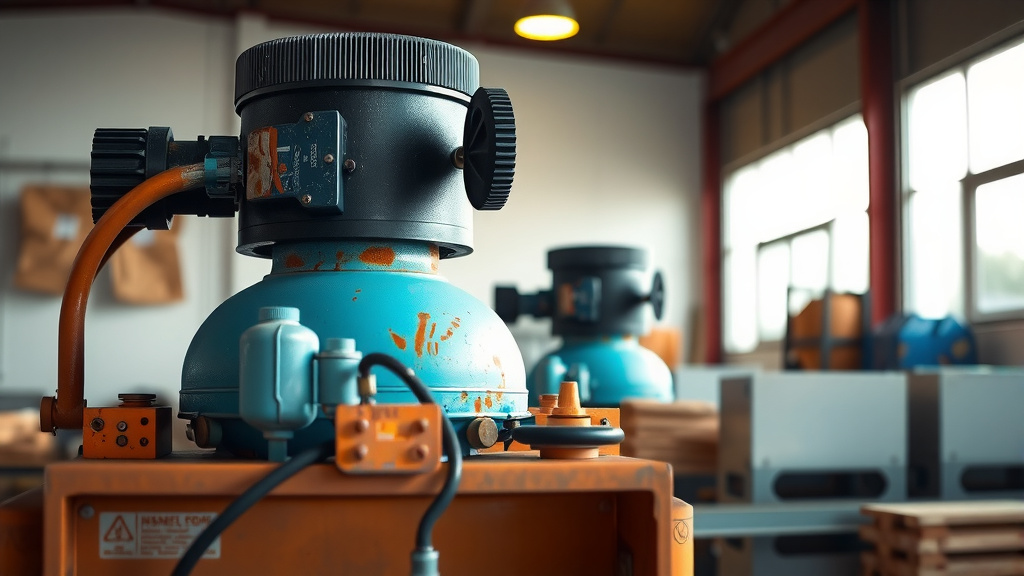
You can tell if an air compressor is bad by noticing a lack of power, unusual noises like grinding or hissing, or frequent tripping of circuit breakers. These symptoms often point to internal component wear or significant leaks.
Many reliable sources, including industry experts, suggest that a failing air compressor often struggles to build or maintain air pressure, indicating it’s time for a professional check or replacement.
- A bad air compressor often shows clear signs like slow pressure build-up or constant motor running.
- Listen for unusual noises such as knocking, grinding, or loud vibrations.
- Look for visible issues like oil leaks or excessive moisture in the air output.
- The unit might struggle to reach its maximum PSI or shut off unexpectedly (short cycling).
- Ignoring these warning signs can lead to more costly repairs or complete system failure.
How To Tell If Air Compressor Is Bad?
Pinpointing when your air compressor is failing can save you a lot of frustration and potential repair costs. It usually boils down to noticing performance dips or strange operational cues.
We found that many common issues, like reduced air pressure, are straightforward indicators that something is amiss with your unit.
Your Compressor Takes Ages to Build Pressure
Does your compressor feel like it is taking forever to fill its tank? A healthy air compressor should reach its operating pressure within a reasonable timeframe.
If you find yourself waiting much longer than before, it is often a sign of internal wear or leaks that prevent efficient compression.
Pressure Drops Quicker Than Before
Imagine filling your tank, then watching the pressure gauge plummet even without heavy use. This rapid drop suggests a leak in the tank, hoses, or a faulty check valve.
Many experts say this is a primary symptom of a compressor struggling to hold onto its hard-earned air (OSHA guidelines on air systems).
Not Reaching Maximum PSI
Every air compressor has a maximum Pounds per Square Inch (PSI) it should achieve. If yours consistently falls short, even when running continuously, it is a clear warning sign.
This could be due to a weakened pump or an issue with the pressure switch. We found that users often notice this when their tools underperform.
Hearing Unusual Noises (Hissing, Clanking)
Air compressors make noise, but new or louder sounds are a red flag. A constant hissing can point to an air leak in lines or fittings.
Grinding, clanking, or loud knocking usually indicates worn bearings or other mechanical problems within the pump or motor.
Motor Runs Constantly or “Short Cycles”
If your compressor motor never seems to turn off, it might be fighting a losing battle against a leak, constantly trying to reach its set pressure. Conversely, “short cycling” means it turns on and off very rapidly.
Short cycling often suggests a faulty pressure switch or a small, persistent leak that drains the tank quickly (Compressed Air Challenge research).
Seeing Oil Leaks
A puddle of oil underneath your compressor is never a good sign. It indicates a leak from seals, gaskets, or other pump components.
Addressing oil leaks quickly is important, as low oil levels can cause significant damage to the compressor’s internal parts.
Excessive Moisture in Air Output
A little moisture is normal, but a sudden increase in water coming out with your air tools is problematic. This might mean your drain valve is stuck open or your air dryer system is failing.
Too much moisture can harm your tools and your projects, so it is a symptom worth investigating.
Rust or Corrosion Appearing
Visible rust or corrosion, especially on the tank or connection points, weakens the compressor’s structure. Rust on the tank is particularly dangerous as it can lead to a sudden, catastrophic failure.
Regular visual inspections can help you catch and address corrosion early, protecting your investment.
Tripping Circuit Breakers Frequently
If your air compressor trips the breaker every time it starts or runs, it is drawing too much current. This could be due to a failing motor, a bad capacitor, or a wiring issue.
Tripping breakers is a safety concern and needs immediate attention to prevent electrical hazards or further damage.
Compressor Overheating
Touching your compressor and finding it excessively hot to the touch, or even smelling burning, means it is overheating. This often happens if the unit is overworked, has poor ventilation, or internal friction is too high.
Overheating can lead to component failure and shorten the overall lifespan of your machine.
Why Do Air Compressors Fail?
Understanding the root causes of failure can help you avoid them. It is not always about immediate breakage; often, it is a slow decline.
We found that most compressor issues stem from a few core areas, ranging from how it is used to how it is cared for.
Poor Maintenance Habits
Just like your car, an air compressor needs regular check-ups. Neglecting oil changes, filter replacements, or draining the tank can lead to a cascade of problems.
Many experts agree that preventive maintenance is the single biggest factor in compressor longevity (Compressed Air & Gas Institute publications).
Age and General Wear
Even the best-maintained machines eventually show their age. Seals degrade, bearings wear out, and motors lose efficiency over time.
Older compressors are naturally more prone to failure, often requiring more frequent repairs or parts replacements.
Overuse or Improper Sizing
Using a small compressor for heavy-duty, continuous tasks is like running a marathon in flip-flops – it is not made for it. Overworking your unit causes it to heat up, wear out faster, and potentially fail.
Many guidelines point to matching your compressor’s capacity to your usage demands as a good first step (manufacturers’ manuals).
Environmental Factors
Where you keep your compressor matters. Dust, dirt, extreme temperatures, or high humidity can all negatively impact its performance and lifespan.
Operating in a clean, dry, well-ventilated area significantly reduces stress on the machine.
What To Do If Your Compressor Shows Signs
When you spot a problem, a little detective work can go a long way. Not every issue requires a professional right away.
You can often perform some basic troubleshooting yourself before deciding on the next step.
Initial Troubleshooting Steps
Start with the simple things. Check all connections for leaks using soapy water. Inspect air filters for clogs and clean or replace them.
Ensure the oil level is correct and that the drain valve on the tank is operating properly to release condensation.
When to Call a Professional
If your troubleshooting does not solve the problem, or if you encounter complex issues like motor failure, internal pump damage, or major electrical faults, it is time for an expert.
Attempting advanced repairs without the right knowledge can be dangerous and costly.
Quick Diagnosis Checklist
- Is the power supply stable?
- Are all hoses and fittings secure?
- Is the air filter clean?
- Is there enough oil (if applicable)?
- Have you drained the tank recently?
| Problem Symptom | Possible Cause | Action to Take |
|---|---|---|
| Slow Pressure Build | Air leak, Worn pump | Check for leaks, Inspect pump |
| Constant Running | Air leak, Faulty pressure switch | Find and fix leaks, Replace switch |
| Unusual Noise | Worn bearings, Loose parts | Investigate source, Lubricate/tighten |
| Oil Leaks | Damaged seals, Loose fittings | Replace seals, Tighten fittings |
| Tripping Breaker | Motor issue, Wiring fault | Consult electrician, Check motor |
Preventive Measures for Compressor Longevity
Taking care of your air compressor proactively is the best way to avoid unexpected breakdowns. A little effort goes a long way in extending its working life.
Many experts advocate for a consistent maintenance schedule to keep your unit running smoothly and efficiently.
Regular Maintenance Schedule
Stick to the manufacturer’s recommendations for service. This usually includes draining the tank daily, changing oil periodically, and inspecting filters.
A consistent schedule helps you catch small issues before they become major problems (equipment maintenance guides).
Proper Storage and Environment
Keep your compressor in a clean, dry, and temperate environment. Avoid storing it in dusty workshops or areas with extreme hot or cold temperatures.
Good ventilation is also key to preventing overheating and ensuring optimal performance.
Using the Right Oil (If Applicable)
Always use the type of oil recommended by your compressor’s manufacturer. Using the wrong kind can lead to friction, wear, and system damage.
Regularly checking and maintaining the correct oil level is a simple step that has big benefits for your compressor’s health.
Conclusion
Recognizing the signs of a failing air compressor early on is your best defense against costly repairs or replacements. From strange noises to performance issues, your compressor usually gives clear warnings.
Paying attention to these signals, performing basic maintenance, and knowing when to call a professional will keep your tools powered and your projects running smoothly.
Your air compressor is a hardworking machine; a little care and observation can ensure it serves you reliably for years to come.
How often should I drain my air compressor tank?
You should drain your air compressor tank daily or after each use. This removes moisture that accumulates, preventing rust and corrosion inside the tank, which can compromise its integrity and air quality.
Can a faulty air compressor motor be repaired?
Sometimes a faulty air compressor motor can be repaired, especially if the issue is a simple component like a capacitor or a power switch. However, if the motor windings are burned out or there is significant internal damage, replacement is often the more practical and economical solution.
What causes an air compressor to lose power over time?
An air compressor can lose power over time due to several factors, including worn-out piston rings reducing compression efficiency, air leaks in hoses or fittings, a clogged air filter restricting intake, or a failing pressure switch that does not allow the motor to reach full capacity.
Is it better to repair or replace an old air compressor?
The decision to repair or replace an old air compressor depends on the cost of the repair versus a new unit, the extent of the damage, and the age of the compressor. If repairs are more than 50-60% of the cost of a new, comparable unit, or if the compressor is very old and frequently breaks down, replacing it is usually the better long-term investment.
How can I prevent my air compressor from overheating?
To prevent your air compressor from overheating, ensure it has adequate ventilation and is not operating in excessively hot environments. Clean air filters regularly, maintain proper oil levels (for oil-lubricated models), and avoid continuous, heavy-duty use beyond its duty cycle. This helps reduce strain on the motor and pump.
