
How To Test A Air Compressor?
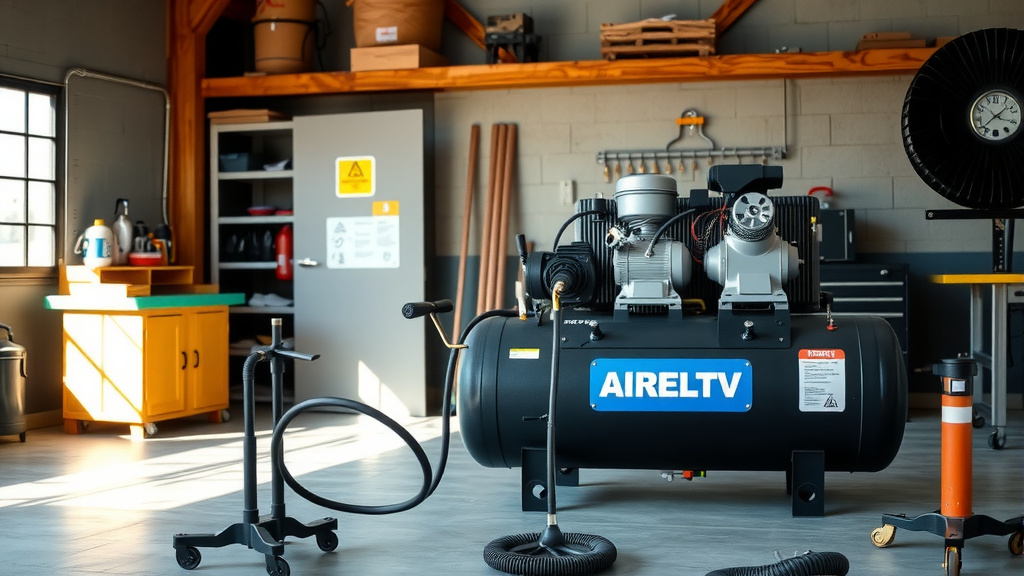
You can test an air compressor by performing a visual inspection, listening for unusual noises, and checking for air leaks using soapy water. These initial checks help you pinpoint common performance issues quickly.
To properly test an air compressor, start by verifying the pressure switch operation, then measure the time it takes to pressurize the tank, and finally confirm the relief valve functions correctly. This systematic approach ensures overall system health.
- Inspect your air compressor visually for any obvious damage or loose parts before starting.
- Always prioritize safety first; unplug the unit and depressurize it before any hands-on testing.
- A common test involves using soapy water to find hidden air leaks in fittings or the tank itself.
- Check the pressure switch to ensure it turns the compressor on and off at the correct pressure levels.
- Measure the time your compressor takes to fill its tank; a slow fill might signal pump issues.
How To Test A Air Compressor?
Testing your air compressor involves a series of practical steps to check its overall health and identify any potential problems. You will typically start with visual inspections and then move to operational checks, like leak detection and pressure verification.
Why Bother Testing Your Air Compressor?
You might wonder, “Why should I test my air compressor?” Well, regular checks can save you from bigger headaches later. Think of it like a car check-up; catching small issues early prevents costly repairs down the road.
We found that many users experience unexpected breakdowns because they neglect routine testing. Keeping an eye on your compressor’s health means it is always ready when you need it for projects.
Safety First, Always!
Before you touch anything, always unplug your air compressor. Then, make sure to bleed all the air out of the tank completely. This depressurizes the system and keeps you safe from accidental starts or pressurized air bursts.
We cannot stress enough the importance of personal protective equipment. Wear safety glasses and gloves, just like any good mechanic would. Your safety is always your top priority when working with machinery.
Basic Visual Inspection
Start your testing journey with a good look around. Inspect the entire unit for any visible signs of damage, like dents on the tank or frayed power cords. Look for loose bolts, missing parts, or strange oil leaks.
Research often connects visual damage to internal problems (OSHA guidelines). Even a small crack could hint at bigger issues with integrity. It is like checking for a flat tire before a long drive.
Listening for Clues
Sometimes your ears are your best diagnostic tool. Does your compressor make any unusual grinding, squealing, or knocking sounds when running? These can indicate internal component wear or lubrication problems.
Many experts say that unfamiliar noises are a compressor crying for help. A healthy compressor generally has a consistent hum or rumble, not a symphony of strange sounds.
Power On Checks
Once you are sure it is safe, plug the unit back in. Let the tank fill up. Pay close attention to how quickly it reaches its cut-off pressure. Does it seem slower than usual?
Observe the motor during this time. Is it struggling, or does it sound smooth? Any stuttering or excessive heat could point to motor problems or a struggling pump.
Testing for Leaks: The Soapy Water Trick
Air leaks are a common thief of efficiency and can make your compressor run constantly. This is one of the easiest and most effective tests you can do at home. You will need a spray bottle and some soapy water.
With the compressor pressurized, spray your soapy solution generously over all fittings, hoses, and seams. Look closely for any bubbles forming. Bubbles mean air is escaping.
Listen for Hisses
Even without soap, you might hear distinct hissing sounds. These usually indicate a larger leak that needs immediate attention. Sometimes, leaks can be silent and tricky to find.
Check the drain valve, pressure switch, and safety valve connections carefully. These are common culprits for sneaky air loss. Fixing leaks can dramatically improve your compressor’s performance.
Pressure Switch Function
The pressure switch is your compressor’s brain, telling it when to start and stop. As the tank fills, the compressor should cut off at its maximum pressure setting. Then, as you use air, it should restart when the pressure drops to a specific lower point.
If your compressor runs continuously or does not turn on when pressure is low, your pressure switch might be faulty. Many guidelines point to calibrating or replacing a faulty switch (Consumer Reports).
Checking Pressure Output
The actual pressure your tools receive matters. Your tank gauge tells you tank pressure, but you also need to check the regulated output pressure. This is what your air tools actually use.
Attach an air tool or a separate gauge to the regulated output. Ensure it matches the setting you chose on your regulator. Inconsistent output can damage tools or make jobs difficult.
Using a Gauge
A good quality pressure gauge is your friend here. Attach it directly to an open port on your regulator. Run air through it and observe the reading. Does it hold steady, or does it fluctuate wildly?
Fluctuating pressure can suggest issues with your regulator or even the pump itself. You want a consistent, stable pressure delivery for optimal tool performance.
Time to Pressurize
How long does your compressor take to fill its tank from empty to full? This is a great indicator of pump health. A new compressor has a baseline fill time; track yours over time.
If you notice a significant increase in fill time, it could mean your pump is wearing out, or there is an internal leak. We found that a sudden change in fill time often signals a problem (Industry forums).
Relief Valve Check
The safety relief valve is a critical component. It is designed to release excess pressure if the tank ever over-pressurizes, preventing a dangerous situation. You must confirm it works.
Gently pull the ring on the relief valve for a second while the compressor is pressurized. You should hear a burst of air, then it should seal shut. If it does not release or does not reseal, replace it immediately.
Motor and Pump Health
The motor drives the pump, which creates the compressed air. Listen for unusual noises from either component. Is the motor overheating? Does the pump sound like it is straining?
Check the oil level in oil-lubricated compressors. Low oil can cause excessive wear and heat. Many manufacturers suggest regular oil checks to prolong pump life (Compressor manuals).
Troubleshooting Common Air Compressor Issues
Here is a quick reference table for common symptoms and their potential causes, helping you diagnose problems more easily.
| Symptom | Possible Cause | What To Check |
|---|---|---|
| Compressor runs continuously | Air leak, faulty pressure switch | Soap test for leaks, pressure switch adjustment |
| Slow tank fill time | Worn pump, air leak, motor issues | Check for leaks, motor health, oil level |
| No air output | Clogged filter, broken belt, motor failure | Air filter, belt tension, motor power |
| Compressor not turning on | Power issue, faulty pressure switch | Circuit breaker, power cord, pressure switch |
| Excessive vibration | Loose components, worn motor mounts | Tighten bolts, inspect mounts |
Routine Maintenance Checklist
Keeping your air compressor in top shape is not just about fixing problems; it is about preventing them. Here is a simple checklist for maintaining your machine’s health:
- Regularly drain condensation from the tank.
- Check and change oil as per manufacturer guidelines.
- Clean or replace air filters when they appear dirty.
- Inspect all hoses and fittings for wear or damage.
- Tighten any loose nuts or bolts you find.
When To Call A Pro
Sometimes, despite your best efforts, you might encounter an issue beyond your comfort level. Do not hesitate to call a certified technician. Complex electrical problems, serious internal pump damage, or persistent motor issues often require expert help.
Attempting advanced repairs without proper knowledge can be dangerous or cause further damage. Knowing your limits is a sign of a smart operator. Professional repair can be a worthwhile investment.
Conclusion
Testing your air compressor does not have to be a daunting task. By following these steps, you can proactively keep your equipment running smoothly and safely. From visual checks to leak detection and pressure verification, each test provides valuable insight into your compressor’s performance.
Remember, a well-maintained air compressor is a reliable one, ready to power your projects for years to come. Take the time, be thorough, and you will extend its life while avoiding unexpected downtime. Happy compressing!
How often should I test my air compressor for leaks?
You should test your air compressor for leaks at least once a month, especially if you use it regularly. For occasional users, a quick leak check every few months or before a big project is a smart practice. This prevents energy waste and ensures your compressor runs efficiently.
What are the signs of a failing air compressor pump?
Signs of a failing air compressor pump often include a significantly longer tank fill time, unusual grinding or knocking noises from the pump area, excessive vibration during operation, or the compressor struggling to reach its cut-off pressure. You might also notice a drop in overall air output.
Can a dirty air filter affect my compressor’s performance?
Absolutely! A dirty or clogged air filter restricts airflow into the pump, forcing the compressor to work harder to pull in air. This reduces efficiency, increases wear on the pump and motor, and can lead to lower air output and increased operating temperatures. Always keep your filter clean.
Is it normal for my air compressor to get hot?
Some heat is normal, particularly around the pump head and motor, as compressing air generates heat. However, excessive heat to the touch, or if the unit frequently overheats and shuts down, indicates a problem. This could be due to a clogged filter, low oil, poor ventilation, or a struggling motor or pump.
What is the purpose of draining the air tank regularly?
Draining the air tank regularly is crucial to remove moisture that condenses inside. Compressed air contains water vapor, which turns into liquid in the tank. If not drained, this water can cause rust and corrosion in the tank, potentially weakening it, and can also be carried into your air tools, causing damage or affecting their performance.
