How Heavy Is An Air Compressor?
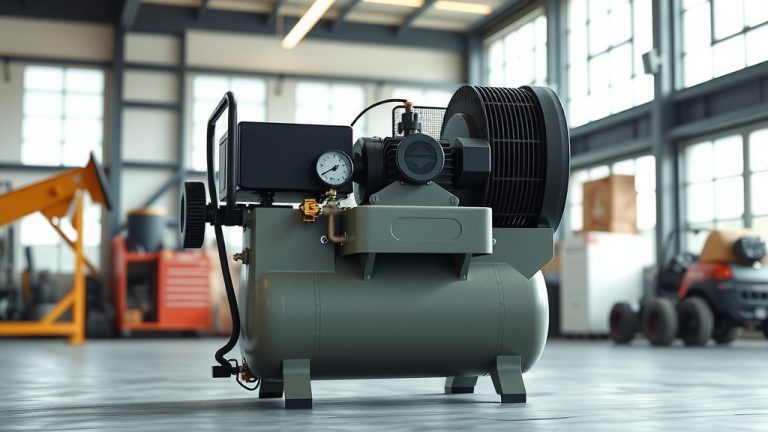
The weight of an air compressor varies significantly, ranging from as light as 20 pounds for small portable units to over 500 pounds for large industrial models.
Generally, household and DIY air compressors fall between 30 and 150 pounds, depending on their tank size, motor, and construction materials.
- Small air compressors for home use can weigh 20-50 pounds.
- Mid-sized units, often used for auto work or framing, are typically 80-150 pounds.
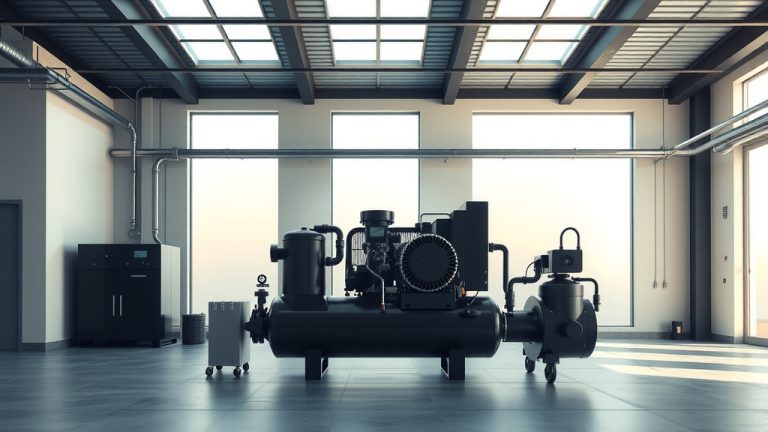
- Large stationary compressors for workshops can exceed 200-500 pounds.
- Factors like tank size, motor power, and material choice all impact the overall weight.
How Heavy Is An Air Compressor?
Air compressors come in a vast array of sizes and power levels, which directly translates to a wide range of weights. What you need an air compressor for will largely determine how much it weighs.
Why Does Air Compressor Weight Matter to You?
Understanding an air compressor’s weight is more than just a number. It’s about practicality and safety for your projects. Are you looking for a unit you can easily carry around your home or job site?
Or do you need a powerful machine that stays put in your workshop? Your answer influences the ideal weight. Many experts suggest considering portability versus power output (Power Tools Institute).
The Impact of Portability on Your Projects
Imagine lugging a heavy, bulky compressor up and down stairs. Not fun, right? Lighter compressors, often called “pancake” or “hot dog” styles, are perfect for smaller, mobile tasks like nailing or inflating tires.
They are designed for easy transport. This makes them a favorite for quick DIY jobs or taking to different work locations. We often find that users prioritize ease of movement for these smaller units.
What Makes an Air Compressor Heavy? Key Factors at Play
Several crucial components contribute to the overall heft of an air compressor. Think of it like building blocks; each piece adds to the total. Let’s break down the main weight contributors.
Tank Size and Material
The air receiver tank is a major weight factor. Larger tanks hold more compressed air, meaning they are built from more steel. A 20-gallon steel tank will naturally weigh more than a 6-gallon tank. Some tanks are aluminum, which helps reduce weight, but they are less common for larger capacities. Many manufacturers confirm steel tanks are the industry standard for durability.
Motor and Pump Assembly
The motor and pump are the heart of your compressor. A more powerful motor, often measured in horsepower (HP), generally means a larger, heavier unit. The pump itself, especially if it’s a heavy-duty cast iron design, also adds considerable weight. These robust components are designed for longevity and consistent performance.
Overall Construction and Features
Additional features like wheels, handles, and protective cages can also add to the weight. For instance, a compressor with a heavy-duty frame and large pneumatic tires will be heavier but easier to move around rough terrain. Integrated controls and extra air filters also contribute to the final weight.
Typical Air Compressor Weights by Type
Let’s look at common types of air compressors and their general weight ranges. This will help you get a clearer picture of what to expect for your specific needs.
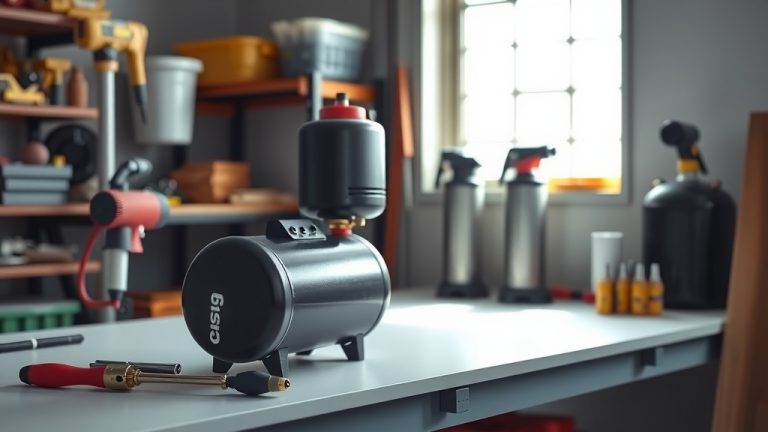
- Small Portable (Pancake, Hot Dog): These are your go-to for basic tasks. They weigh anywhere from 20 to 60 pounds. Think of them as easy to grab and go for quick projects.
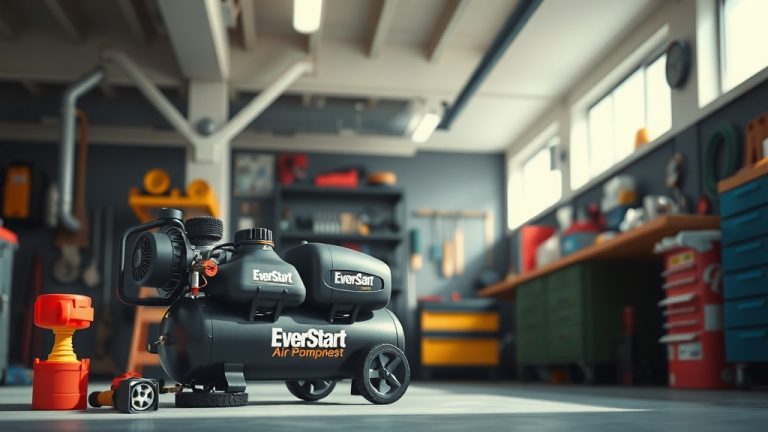
- Twin Stack Compressors: Offering more capacity and power than pancake models, twin stack units typically fall in the 70 to 100-pound range. They are still portable but require more effort to move.
- Wheelbarrow Compressors: Designed for job sites, these heavy-duty units are often 150 to 250 pounds. They are built tough and often have larger motors and tanks, requiring wheels for movement.
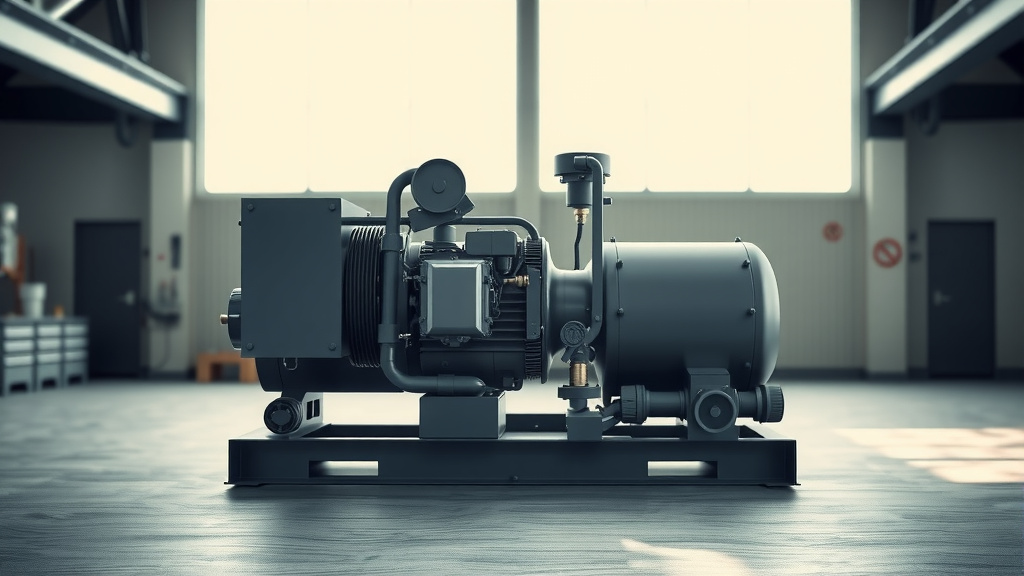
- Stationary/Vertical Compressors: These are typically for professional shops or garages. They can weigh from 200 pounds to over 500 pounds. Once installed, they aren’t meant to be moved often.
Weight Ranges for Different Applications
Your intended use dictates the ideal weight class. A compressor for inflating bike tires is vastly different from one powering a sandblaster.
Home & DIY Projects
For home use, you’ll likely want something on the lighter side. A portable 6-gallon compressor (around 30-50 lbs) is often perfect for nail guns, small paint jobs, or inflating. It’s easy to store and move from your garage to your backyard shed. Many experts recommend these lighter units for general household tasks (Consumer Reports).
Automotive & Light Workshop Use
If you’re tackling automotive work, like rotating tires or using air tools, you might need something with more continuous power. A compressor in the 80-150 pound range, often with a 20-30 gallon tank, is common here. It might have wheels to help you reposition it in your garage. Research often connects these mid-range compressors with reliable performance for hobby mechanics (Popular Mechanics).
Professional & Industrial Applications
For demanding tasks in professional workshops or industrial settings, weight is less of a concern than pure power and capacity. These large, stationary compressors can weigh hundreds of pounds. They are designed for continuous, heavy-duty use and are typically installed permanently. Moving them requires specialized equipment.
Moving a Heavy Air Compressor Safely
So, you’ve got a heavier unit. How do you move it without straining your back or damaging the compressor? Safety first, always! Many guidelines point to proper lifting techniques as a good first step (OSHA).
Essential Equipment for Relocation
For anything over 75-100 pounds, don’t try to lift it alone. A hand truck or appliance dolly becomes your best friend. For truly heavy units (over 200 pounds), consider using a forklift or pallet jack if available. Always secure the compressor to the dolly with straps to prevent tipping.
Tips for Safe Lifting and Transport
When moving, remember to bend your knees, not your back. Get help from another person for anything awkward or heavy. Clear your path of any obstacles. If transporting in a vehicle, ensure the compressor is secured tightly to prevent it from shifting during transit. An unsecured compressor can be very dangerous.
Does Maintenance Affect Weight?
Generally, routine maintenance does not significantly alter the weight of your air compressor. Adding a small amount of oil to a piston compressor, for example, is usually negligible. However, keeping the unit clean can prevent dirt buildup, which would otherwise add minor, unwanted weight over time. We found that regular cleaning maintains efficiency more than affects weight.
Choosing the Right Air Compressor Weight for You
Ultimately, the “right” weight depends entirely on your specific needs. Think about how often you’ll move it, what tasks you’ll perform, and your available storage space. Don’t overbuy; a smaller, lighter compressor might be perfect for your needs, saving you both money and back pain.
A Quick Checklist for Your Decision:
- Will you move it often, or will it stay in one place?
- What are the most common tasks you’ll use it for?
- Do you have help available for lifting or moving heavy items?
- What is your budget for equipment like dollies or lift assistance?
- What is the maximum weight you can comfortably handle or transport?
Air Compressor Weight Comparison Table
To give you a clearer idea, here’s a general comparison of common air compressor types and their typical weights. Remember, these are averages, and specific models may vary.
| Compressor Type | Typical Tank Size | Estimated Weight Range | Best For |
|---|---|---|---|
| Pancake / Hot Dog | 1-6 Gallons | 20-60 lbs | Light DIY, inflation, brad nailing |
| Twin Stack | 4-8 Gallons | 70-100 lbs | Framing, roofing, small workshops |
| Wheelbarrow | 8-15 Gallons | 150-250 lbs | Job sites, heavy-duty air tools |
| Vertical/Stationary | 30-80 Gallons+ | 200-500+ lbs | Professional shops, industrial use |
Conclusion
The weight of an air compressor is far from a one-size-fits-all answer. From the nimble 20-pound portable unit to the formidable 500-pound industrial beast, a wide spectrum exists. Your ideal choice hinges on your specific needs: how often you need to move it, the tasks you’re tackling, and your available workspace.
Always consider the balance between power, tank capacity, and portability. Don’t forget safety when handling heavier units; a little planning goes a long way. By understanding these factors, you can confidently choose the perfect air compressor to power your projects, without breaking your back or your budget.
FAQs About Air Compressor Weight
Is a heavier air compressor always better?
Not necessarily. While heavier compressors often indicate larger tanks and more powerful motors suitable for demanding, continuous use, a lighter, portable unit is superior for quick, mobile tasks where ease of movement is key. The “better” choice depends on your specific application.
Can I reduce the weight of my air compressor?
Generally, you cannot significantly reduce the inherent weight of an air compressor without compromising its function or safety. The weight comes from its core components like the steel tank, motor, and pump. Opting for models with aluminum components instead of steel can provide some weight savings when purchasing.
Do oil-lubricated compressors weigh more than oil-free ones?
Oil-lubricated compressors often do weigh more. This is because they typically feature heavier cast iron pumps designed for durability and longer life. Oil-free compressors usually have lighter, aluminum-based components and do not require oil in the pump, contributing to a lower overall weight.
What’s the heaviest air compressor I can move by myself?
For most individuals, attempting to move anything over 50-75 pounds by yourself without assistance or equipment like a dolly is risky and could lead to injury. Always err on the side of caution and use proper lifting techniques, a moving dolly, or seek help for heavier units.
Does the weight of an air compressor affect its power output?
Indirectly, yes. Heavier air compressors typically have larger tanks and more powerful motors (higher HP) that allow them to produce more consistent airflow (CFM) and higher pressure. This means they can power more demanding air tools for longer durations. A heavier unit often implies greater capability, but weight itself isn’t a direct measure of power.