
How Many Amps Does A 20 Gallon Air Compressor Use?
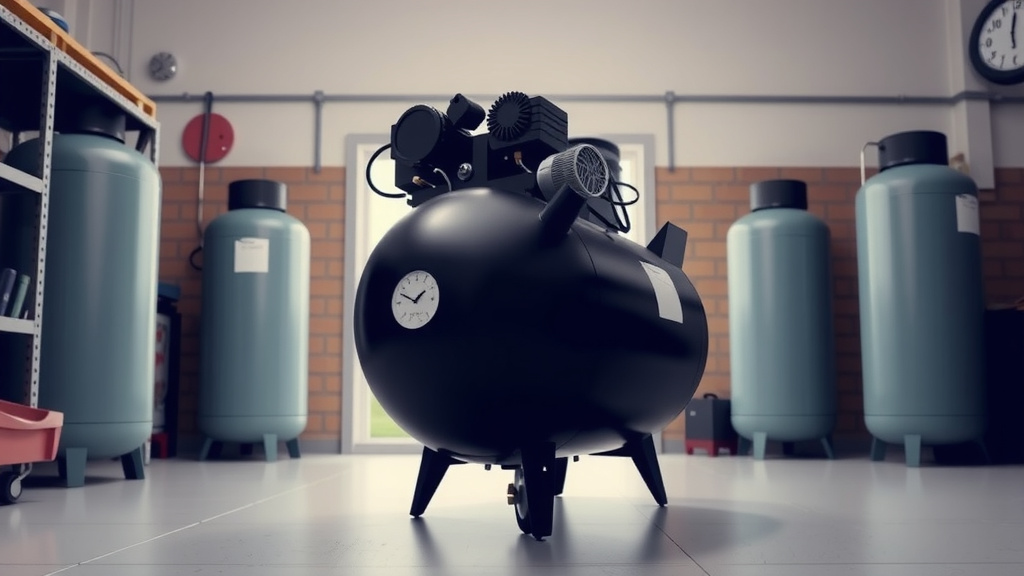
A 20-gallon air compressor typically uses between 15 to 20 amps when running on a standard 120-volt circuit.
This amperage draw is largely determined by its motor horsepower, which often ranges from 1.5 HP to 3 HP for a 20-gallon model.
- Most 20-gallon air compressors pull 15-20 amps on 120V.
- Motor horsepower (HP) is the biggest factor in amp draw.
- You’ll need a dedicated 20-amp circuit for safety and proper function.
- Starting amps are higher than running amps, requiring careful circuit planning.
- Choosing the right compressor means checking both CFM and amp draw.
How Many Amps Does A 20 Gallon Air Compressor Use?
Generally, a 20-gallon air compressor operating on a 120-volt supply will draw about 15 to 20 amps while running.
This range is typical for models you’d find in most home workshops or garages.
Why Does Amp Draw Even Matter To You?
Understanding amp draw is more than just a technical detail; it’s about safety and performance.
If your compressor tries to pull more amps than your circuit can handle, you’ll trip breakers often. Nobody wants to stop a project halfway because of a tripped breaker, right?
It also prevents potential electrical hazards, keeping your tools and home safe.
The Relationship Between Horsepower and Amps
Think of horsepower (HP) as the muscle of your compressor’s motor. More muscle generally means more work, which requires more electricity.
For a 20-gallon unit, a 1.5 HP motor might draw around 15 amps, while a 3 HP motor could easily hit 20 amps or more.
Peeking at the Label: Your Compressor’s Data Plate
The most accurate way to know your compressor’s exact amp draw is to check its data plate.
This small label, usually found on the motor or tank, lists crucial information like voltage, horsepower, and often, the rated amperage.
Always trust the manufacturer’s specs above general estimates.
Starting Amps vs. Running Amps: A Quick Look
Here’s a little secret: your compressor uses more electricity when it first kicks on. This surge is called “starting amps.”
It’s like when you sprint from a standstill versus jogging steadily. The initial burst takes more energy.
Many experts say starting amps can be 2-3 times higher than running amps, but only for a moment.
The Voltage Factor: 120V vs. 240V
Most 20-gallon compressors are designed for standard 120-volt household outlets.
However, if you have a larger compressor that runs on 240 volts, its amp draw will be roughly half of what it would be at 120 volts for the same horsepower.
Higher voltage means less amperage for the same power output, often leading to more stable operation for larger units.
Your Circuit Breaker: The Unsung Hero
Your electrical panel’s circuit breakers are there to protect your wiring from overheating. They are a critical safety feature.
A 20-amp compressor on a 15-amp circuit is a recipe for frequent trips. Many safety guidelines recommend a dedicated circuit for large appliances like air compressors.
Calculating Amps: A Simple Guide
Want to do some quick math? You can estimate amp draw with a simple formula:
Amps = Watts / Volts
If your compressor’s motor is rated in horsepower, you can convert it: 1 HP is roughly 746 watts. So, a 2 HP motor is around 1492 watts.
For example, a 1500-watt compressor on 120 volts would draw about 12.5 amps (1500 / 120 = 12.5).
Common Amperage Ranges for 20-Gallon Compressors
We found that most 20-gallon air compressors fall into these ranges:
- 1.5 HP Motor: ~12-15 Amps
- 2.0 HP Motor: ~15-18 Amps
- 2.5 HP Motor: ~18-20 Amps
- 3.0 HP Motor: ~20-22 Amps
Remember, these are estimates, and your specific model might vary slightly.
What Happens If Your Circuit Can’t Handle It?
If your compressor draws too many amps for your circuit, you’ll experience a few things:
- Tripped Breakers: The most common sign. Your compressor will shut off unexpectedly.
- Reduced Performance: The compressor might struggle to start or run at full power.
- Overheating Wires: This is a serious safety concern and can lead to fire hazards (Electrical Safety Standards).
You definitely want to avoid these issues for a smooth and safe experience.
Choosing the Right Extension Cord
Using the wrong extension cord is a common mistake that can affect amp draw and safety.
A cord that’s too thin or too long can cause a voltage drop, forcing your compressor to work harder and draw more amps.
Always use a heavy-duty, short extension cord (12-gauge or thicker is often recommended for compressors) (Industry Guidelines).
Pre-Flight Checklist for Your Compressor
Before you plug in your new compressor, run through this quick checklist:
- Is your circuit rated for the compressor’s amp draw? (Usually 20 amps for 120V units).
- Is the outlet a dedicated circuit, or are other appliances sharing it?
- Are you using an appropriate, heavy-duty extension cord?
- Have you read the compressor’s manual for specific electrical requirements?
- Are there any signs of wear or damage on the compressor’s power cord?
Compressor Amperage at a Glance
Here’s a quick reference table for typical 20-gallon compressor amp draws based on horsepower:
| Motor Horsepower (HP) | Approximate Running Amps (120V) | Recommended Circuit Breaker |
|---|---|---|
| 1.5 HP | 12-15 Amps | 20 Amps |
| 2.0 HP | 15-18 Amps | 20 Amps |
| 2.5 HP | 18-20 Amps | 20 Amps |
| 3.0 HP | 20-22 Amps | 30 Amps (or dedicated 20A if within limits) |
Conclusion
Knowing how many amps your 20-gallon air compressor uses is more than just a random fact; it’s essential for safe and efficient operation.
By checking your compressor’s data plate, understanding the difference between starting and running amps, and ensuring your electrical circuits are up to the task, you prevent frustrating interruptions and electrical hazards.
You’re not just running a tool; you’re ensuring your workshop runs smoothly and safely, project after project.
What Size Circuit Breaker Do I Need for a 20 Gallon Air Compressor?
Most 20-gallon air compressors require a dedicated 20-amp circuit breaker, especially for models drawing 15-20 amps on a 120-volt supply. Some higher HP models might approach or slightly exceed 20 amps, potentially warranting a 30-amp circuit for safety, but this is less common for typical 20-gallon units.
Can I Run a 20 Gallon Air Compressor on a 15-Amp Circuit?
While some very low-horsepower 20-gallon compressors might technically run on a 15-amp circuit, it’s generally not recommended. Most models will frequently trip a 15-amp breaker, especially due to their higher starting amperage. For reliable and safe operation, a 20-amp circuit is far better.
Does Compressor Tank Size Affect Amp Draw?
The tank size itself, such as 20 gallons, doesn’t directly affect the amp draw of the motor. Amp draw is primarily determined by the motor’s horsepower and voltage. A larger tank simply means the compressor can store more compressed air, allowing the motor to run less frequently to maintain pressure, but its power consumption when running remains the same.
Is Higher HP Always Better for an Air Compressor?
Not necessarily. While higher horsepower generally means more airflow (CFM) and faster recovery, it also means higher amp draw and often a larger, heavier unit. The “best” HP depends on your specific needs and the tools you plan to use. Always match the compressor’s output to your tool requirements, keeping electrical capacity in mind.
How Can I Reduce My Air Compressor’s Electrical Consumption?
To reduce electrical consumption, ensure you have no air leaks in your lines or fittings, as leaks force the compressor to run more often. Also, use the correct CFM for your tools, maintain proper tire inflation (if applicable), and ensure the air filter is clean. An efficient compressor runs less, saving electricity.
