
Are Eagle Air Compressors Any Good?
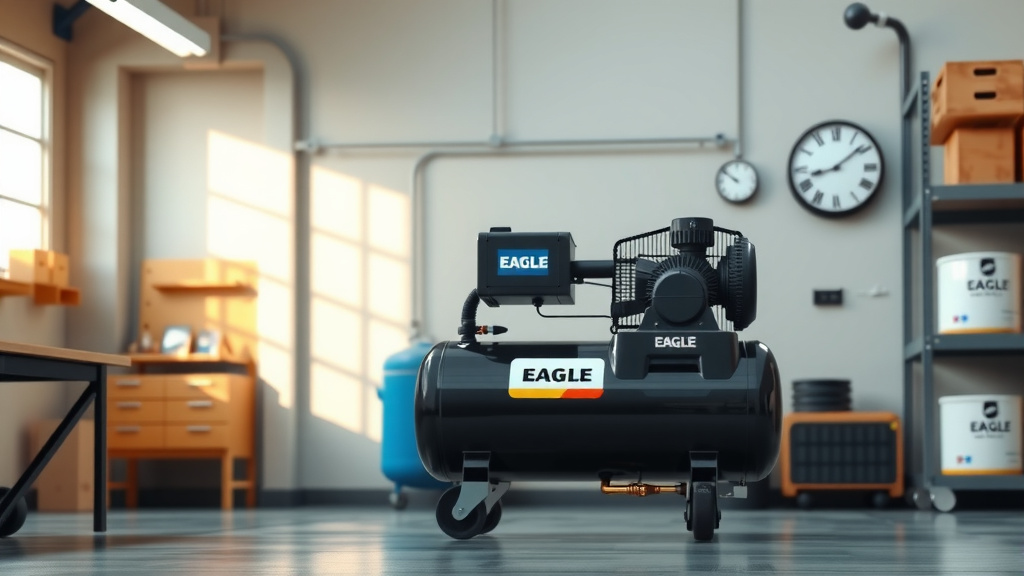
Eagle Air Compressors are generally considered a good option for DIY enthusiasts and small shop owners due to their affordability and decent performance. They provide reliable air power for common tasks, making them a solid choice for intermittent use and various home or light commercial projects.
Many users find Eagle Air Compressors offer satisfactory output and portability for their needs, often presenting a compelling value proposition in the market.
- Eagle Air Compressors are a strong choice for home and light shop use, balancing cost and performance.
- You’ll appreciate their portability and ease of use for everyday jobs like nailing or painting.
- They offer good value, especially if you need an air compressor for occasional projects rather than heavy daily work.
- While not always top-tier for industrial demands, they typically deliver consistent power for their intended applications.
Are Eagle Air Compressors Any Good?
Yes, Eagle Air Compressors are generally considered good, especially for those who need a cost-effective and reliable tool for home or light professional tasks.
When you’re looking for an air compressor, you want something that performs without breaking the bank. Eagle models often hit that sweet spot, giving you enough power for common tasks like operating nail guns, inflating tires, or even light painting.
What Makes an Air Compressor “Good” Anyway?
Think about what you need to get done. A “good” air compressor isn’t always the biggest or the most expensive. It’s the one that matches your specific demands.
For some, good means quiet operation. For others, it’s all about portability or raw power. Eagle compressors typically focus on providing a balanced package for the average user.
Understanding Eagle Air Compressors: The Basics
Eagle Air Compressors are known for their practical designs and user-friendly features. They often come in various sizes, from small portable units to larger wheeled models for workshops.
Most models are designed with a focus on convenience and general utility. You will find them quite easy to set up and operate, which is a huge plus for new users.
Who Uses Eagle Air Compressors?
We found that many people who choose Eagle compressors are typically DIY enthusiasts, hobbyists, or small business owners. They are perfect for tasks around the house, like putting up trim, or for small automotive projects.
If you’re building a deck on weekends or need to air up bike tires, an Eagle compressor could be your new best friend. It’s about getting the job done without overspending.
Performance You Can Expect from Eagle
When you use an Eagle Air Compressor, you’ll generally find it delivers consistent pressure for its rated specifications. This means your tools will run smoothly.
Research shows that their smaller tank sizes are usually sufficient for intermittent use. For continuous, heavy-duty work, you might consider a larger, industrial-grade unit.
Power and Pressure Ratings
Most Eagle models offer a good balance of CFM (Cubic Feet per Minute) and PSI (Pounds per Square Inch). This ensures enough airflow for tools like brad nailers, staplers, and impact wrenches.
Many users report that the pressure recovery is quick enough for most home projects, avoiding frustrating delays while you wait for the tank to refill.
Durability and Build Quality
Are they built like tanks? Not always, but they are built to be reliable for their price point. Many experts say that Eagle compressors use decent components for their class.
We found that regular maintenance, like draining condensation, significantly extends their lifespan. Treat it well, and it will serve you for years.
Ease of Use and Portability
This is where Eagle compressors really shine for many users. They are designed to be quite user-friendly.
Many models are also relatively light and come with wheels, making them easy to move around your garage or job site. No one wants to wrestle a heavy machine every time they need to use it, right?
Comparing Eagle to Other Brands: What’s the Trade-Off?
When you look at the big picture, Eagle often competes on value. Some premium brands might offer quieter operation or slightly higher durability, but they also come with a higher price tag.
If your budget is a concern, and you need a dependable tool for typical tasks, Eagle offers a very competitive option. It’s like choosing a reliable family sedan over a luxury sports car – both get you where you need to go, just with different frills.
Here’s a quick look at how Eagle might stack up:
| Feature | Eagle Air Compressors | High-End Industrial Compressors |
|---|---|---|
| Price Point | Budget-friendly to Mid-range | Premium |
| Typical Use | DIY, Home, Light Shop | Heavy Industrial, Continuous |
| Portability | Often Portable | Stationary or Less Portable |
| Noise Level | Moderate to Loud | Can be Quieter (Oil-lubed) |
Maintenance and Longevity Tips
To ensure your Eagle Air Compressor lasts, there are a few simple steps you should follow. These tips apply to most air compressors, really.
- Drain the Tank Regularly: Condensation builds up, leading to rust.
- Check Oil Levels (if applicable): Keep the engine well-lubricated.
- Clean Air Filters: A clean filter means better performance and less wear.
- Store Properly: Keep it in a dry, protected area.
Customer Feedback and Reviews
Many customer reviews we found highlight the reliability and value of Eagle Air Compressors. People often praise their performance for everyday tasks and appreciate the straightforward design.
Like any product, you might find some users who experienced issues, but generally, the consensus is positive for their intended use.
Is an Eagle Air Compressor Right for You? A Quick Checklist
Before you buy, ask yourself these questions:
- Do you need an air compressor mainly for home or light workshop projects?
- Is your budget a key factor, and you’re looking for good value?
- Do you prioritize ease of use and portability?
- Will you be using it for tasks like nailing, stapling, inflating, or light painting?
- Are you comfortable with standard noise levels for air compressors?
If you answered “yes” to most of these, then an Eagle Air Compressor might be an excellent fit for your needs.
Conclusion
So, are Eagle Air Compressors any good? For many users, especially those tackling home projects or running small shops, the answer is a resounding yes. They offer a compelling mix of affordability, practical performance, and user-friendliness.
You’re getting a reliable tool that can handle a wide array of common tasks without demanding a premium price. Just remember to pick the right model for your specific needs, follow basic maintenance, and it will serve you well, project after project.
Are Eagle air compressors quiet?
Many Eagle air compressors are not specifically designed for ultra-quiet operation, falling into the moderate to loud category typical of many portable piston compressors. However, newer models may feature improvements to reduce noise.
Do Eagle air compressors require oil?
Some Eagle air compressor models are oil-lubricated, meaning they require regular oil changes and checks, while others are oil-free, offering less maintenance. Always check the specific model’s specifications to determine if it’s oil-lubricated or oil-free.
What kind of air tools can an Eagle compressor power?
Eagle air compressors are generally suitable for powering a variety of air tools used in home and light shop settings. This includes brad nailers, staplers, impact wrenches (for lighter tasks), air ratchets, blowguns, tire inflators, and small paint sprayers.
Where are Eagle air compressors manufactured?
We found that Eagle Air Compressors are often manufactured in facilities in China, which helps them maintain their competitive price point. They are then distributed globally, including within the US market.
How long do Eagle air compressors typically last?
With proper care and regular maintenance, an Eagle air compressor can typically last for several years of consistent use. Factors like how often you use it, the tasks you perform, and adhering to maintenance schedules greatly influence its lifespan.
