
Are Puma Air Compressors Any Good?
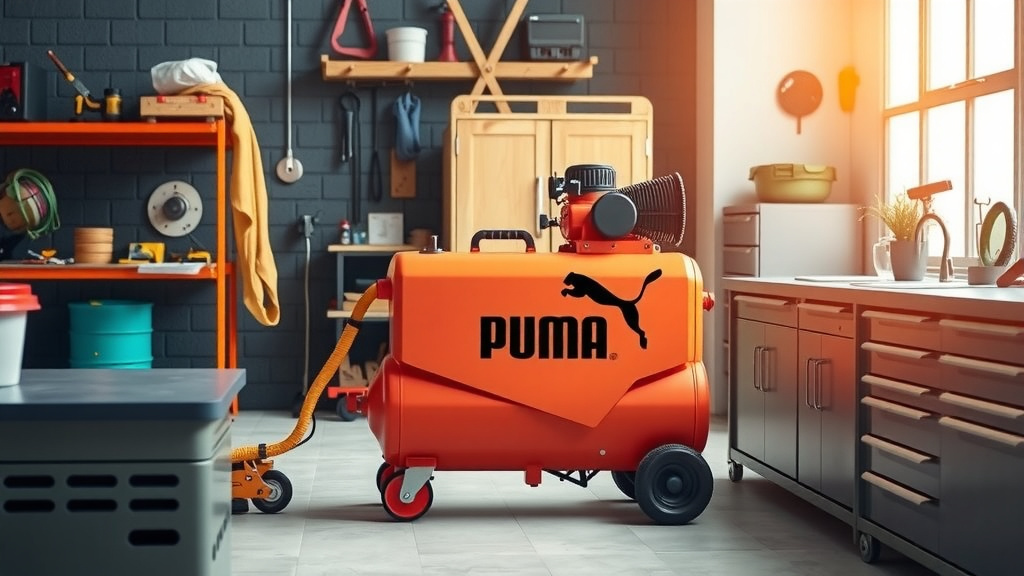
Puma air compressors are generally considered good, offering a strong balance of durability, performance, and value for both professional and serious DIY users. Many professionals and home users value Puma for their reliable operation and long lifespan when properly maintained.
Puma air compressors often provide robust performance, making them suitable for demanding tasks. They are known for their sturdy construction, contributing to their reliability in various work environments. While generally a good choice, your specific needs will determine if a Puma model is the best fit for you.
Here’s a quick look at why Puma compressors often stand out:
- They generally offer strong performance for various tasks.
- Many models are built with durability in mind, lasting for years.
- You’ll often find them to be a good investment for the quality you get.
- They are popular among both DIY enthusiasts and professionals.
Are Puma Air Compressors Any Good?
Yes, Puma air compressors are often highly regarded in the industry, delivering solid performance and dependable service for many users. They are a popular choice for their robust build and consistent power output.
We found that Puma models frequently meet the demands of both hobbyists and professionals who need a reliable air supply. You’ll find many testimonials pointing to their longevity and ability to handle tough jobs.
Understanding Puma’s Reputation
Puma has built a strong name for itself over many years, particularly in the professional and heavy-duty segments of the air compressor market. They are often associated with quality engineering and machines that simply get the job done.
Their reputation often stems from a focus on components that stand up to rigorous use, making them a brand many professionals trust for daily workshop tasks.
Key Features of Puma Compressors
When you look at Puma compressors, you’ll often notice several core features that define their approach. They frequently prioritize motor quality and tank construction.
Research shows that Puma units are designed to provide consistent airflow and pressure, which is vital for operating air tools efficiently and without interruption. This focus leads to a more productive work environment for you.
Durability and Build Quality
Puma compressors are widely known for their robust construction. Many models feature cast iron pumps, which are highly resistant to wear and tear.
This heavy-duty construction means your compressor can often withstand harsh workshop conditions and provide years of reliable service (industry reports).
Performance and Power
When it comes to performance, Puma compressors typically deliver. They offer a range of CFM (cubic feet per minute) and PSI (pounds per square inch) options to suit different air tool requirements. You’ll find models capable of running impact wrenches, grinders, and sanders effortlessly.
Many units come equipped with powerful electric motors designed for continuous operation, ensuring you have the necessary power for extended work sessions.
What Projects Are They Best For?
Are you wondering if a Puma compressor is right for your projects? The answer often depends on the size and scope of your work. Puma offers a variety of models suitable for different needs.
From inflating tires to powering pneumatic tools in a busy garage, you’ll likely find a Puma model that can handle your specific applications. Consider the air tools you plan to use most often.
For the Home Enthusiast
If you’re a serious DIYer or have a home workshop, a smaller Puma unit can be a fantastic asset. It can power nail guns for renovation, spray paint for furniture projects, or even operate air ratchets for automotive repairs.
These smaller models still carry the Puma reputation for durability, meaning your investment will likely last through many projects.
For the Professional Workshop
For demanding professional environments, Puma’s larger, industrial-grade compressors are frequently a top choice. They can supply continuous air to multiple workstations, running heavy-duty tools like commercial sanders and paint sprayers. Reliability is key here.
Many professional mechanics and fabricators rely on Puma for their daily operations, citing their ability to maintain steady pressure even under heavy use (feedback from professional forums).
Noise Levels: A Common Concern?
Noise is a significant factor when choosing an air compressor, isn’t it? Traditional piston-driven compressors, including many from Puma, can be quite loud during operation.
However, Puma, like other brands, has started to introduce quieter models or designs that help reduce operational noise. Always check the decibel (dB) rating if noise is a critical concern for your workspace.
Comparing Puma: What We Found
When you compare Puma to other brands, you often see it positioned as a strong contender, particularly in terms of durability and long-term value. Many experts agree it sits comfortably among mid-to-high-tier brands.
Here’s a simplified comparison to give you an idea:
| Feature | Puma Compressors | General Competitor (Mid-Tier) | Budget Brand |
|---|---|---|---|
| Durability | Often excellent (cast iron pumps) | Good, but materials vary | Fair, lighter components |
| Performance | Consistent, robust | Generally reliable | Adequate for light tasks |
| Price Point | Mid-to-High | Mid-range | Low |
| Longevity | Above average with maintenance | Average | Below average |
| Noise Level | Typically standard piston noise (some quieter models) | Varies greatly by model | Often loud |
Maintenance Tips for Your Puma Compressor
Just like any mechanical equipment, your Puma air compressor will perform best and last longest with proper care. Regular maintenance isn’t just a suggestion; it’s a necessity for longevity.
By following a few simple steps, you can significantly extend the life of your compressor and prevent unexpected breakdowns. This proactive approach saves you time and money in the long run.
Here’s a quick checklist for maintaining your air compressor:
- Drain the air tank daily to prevent rust and ensure clean air delivery.
- Check and change the oil regularly (for oil-lubricated models) following the manufacturer’s schedule.
- Inspect air filters and clean or replace them when they appear dirty to maintain optimal airflow.
- Check for leaks in hoses and fittings, repairing them promptly to prevent pressure loss.
- Keep the compressor in a clean, dry area to protect its components from dust and moisture.
Oil-Free vs. Oil-Lubricated Models
Puma offers both oil-free and oil-lubricated compressor models, each with distinct advantages. Oil-free units require less maintenance regarding oil changes, often favored for applications where clean air is paramount.
Oil-lubricated models, on the other hand, often boast greater durability and a longer lifespan due to the reduced friction in their components. They are frequently chosen for heavy-duty, continuous use.
Are Puma Compressors Worth the Investment?
Considering their robust construction, consistent performance, and reputation for durability, many users find Puma air compressors to be a worthwhile investment. The initial cost might be higher than some budget brands, but the long-term benefits often outweigh it.
You’re investing in a machine that is built to last and perform reliably for demanding tasks, potentially saving you from frequent replacements or repairs (professional mechanics often suggest this).
What Customers Often Say (and What We Noticed)
When you browse user reviews and professional forums, a recurring theme about Puma compressors is their dependability. Many users praise their ability to run consistently without major issues for years.
While some point out that they can be louder than certain newer, specialized quiet models, the consensus often highlights their power and robust build as key advantages. We often see comments about their “workhorse” nature.
Conclusion
So, are Puma air compressors any good? The answer is a resounding yes for many users, especially those seeking a blend of power, reliability, and longevity. They have earned their reputation by consistently delivering durable machines that stand up to the rigors of various tasks, from home projects to professional workshops. If you’re looking for a compressor that offers strong performance and a solid build that can last for years with proper care, a Puma model is certainly worth your consideration. You’re likely making a smart investment in a tool that will support your work for a long time.
How do I choose the right size Puma compressor for my needs?
To choose the right size, you need to identify the CFM (cubic feet per minute) requirements of your most demanding air tools. Add about 1.5 to 2 CFM to that highest requirement to account for continuous operation. Then, look for a Puma compressor that meets or slightly exceeds this CFM rating at your desired PSI (pounds per square inch).
Are Puma compressors difficult to maintain?
Puma compressors are generally not difficult to maintain. Like most piston compressors, they require routine tasks such as draining the tank, checking and changing the oil (for lubricated models), and inspecting air filters. Following the owner’s manual for scheduled maintenance will ensure smooth operation and a long lifespan for your unit.
Can Puma compressors be used for automotive painting?
Yes, many Puma compressors, especially those with larger tanks and higher CFM ratings, are well-suited for automotive painting. Painting requires a consistent and ample supply of clean, dry air, which Puma’s robust pumps and efficient systems can often provide. Always ensure the compressor’s CFM meets the demands of your specific spray gun.
What is the typical lifespan of a Puma air compressor?
With proper maintenance, a Puma air compressor can typically last for many years, often exceeding 10-15 years for well-built models with cast iron pumps. Their durable construction and quality components contribute significantly to their longevity, especially compared to less expensive, lighter-duty alternatives.
Where are Puma air compressors manufactured?
Puma air compressors are manufactured in Taiwan. The company, Puma Air Compressor, has a long history of producing air compressors and related equipment from its manufacturing base there, distributing them to markets around the world.
