
When Was The Air Compressor Invented?
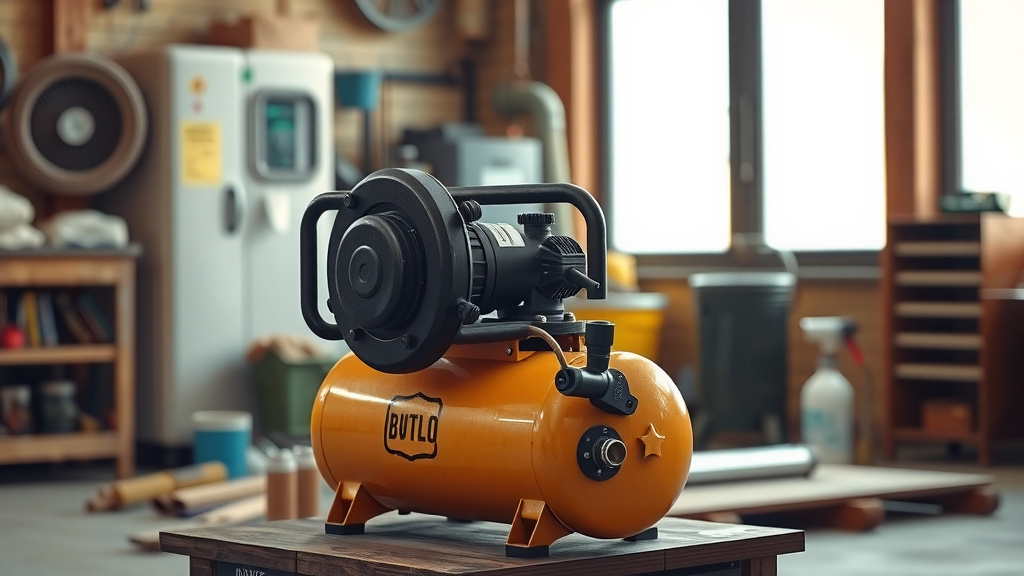
The modern air compressor, as we recognize it, began to take shape in the early 19th century, with significant advancements around 1829.
While humans used basic air-moving devices for centuries, William Mann is often credited with patenting a steam-powered air compressor in 1829, marking a key milestone in the air compressor’s invention.
- The concept of using compressed air dates back to ancient times with simple bellows.
- The Industrial Revolution fueled the need for more powerful air compression tools.
- William Mann’s 1829 patent for a steam-powered compressor was a major turning point.
- Modern air compressors became widespread in the 20th century, powering many industries.
When Was The Air Compressor Invented?
The true “invention” of the air compressor is a journey, not a single date. It grew from simple tools to complex machines, driven by industrial needs.
Many experts point to the early 1800s as the period when practical, powerful air compressors first emerged for industrial use.
The Dawn of Compressed Air: Ancient Roots
Even before a true air compressor existed, people used compressed air. Think about ancient smiths using bellows. They needed intense heat for metalwork.
Bellows were basic, hand-operated devices. They pushed air to fuel fires, making them hotter and more effective. This was an early form of air compression, in a very simple way.
Early Mechanical Steps: From Manual Labor to Power
As societies grew, so did the need for better tools. The idea of using mechanical power to move air started to develop. It moved past just hand-pumped bellows.
Early engineers and inventors looked for ways to create a more continuous and powerful airflow. They wanted to tackle bigger jobs. This period set the stage for later air compressor designs.
Denis Papin and Early Pump Designs
In the late 1600s, scientists like Denis Papin explored air and vacuum pumps. You might know him for his work on steam engines.
Papin’s work on air pumps focused on creating vacuums. However, his mechanical principles were important. They contributed to how we understood air movement and pressure.
The Industrial Revolution’s Influence
The 18th century brought the Industrial Revolution. This period dramatically changed how we worked and produced goods. New machines demanded new types of power.
Industries like mining needed to operate heavy machinery deep underground. They also needed to ventilate mines. Air power became a strong solution. This demand pushed compressor technology forward.
Key Figures and Milestones in Compressor History
Many individuals contributed to the air compressor’s evolution. It was a slow build, with each inventor adding a piece to the puzzle. We found that the story is rich with incremental steps.
Identifying one single inventor is hard. But some figures stand out for their major contributions to the design and purpose of air compressors.
William Mann and the Steam-Powered Compressor
When you ask about the invention, William Mann often comes up. He filed a patent in 1829 for an air compressor design.
Mann’s invention was significant because it was steam-powered. This meant it could generate much more consistent air pressure than earlier designs. It truly marked a new era.
The Importance of Mann’s Invention
Mann’s compressor wasn’t just a curiosity. It was built for practical, industrial use. It helped power tools in mining and other heavy industries.
We found that this invention greatly improved efficiency. It showed that compressed air could be a reliable energy source. This was a major step for manufacturing and construction.
From Reciprocating to Rotary: Expanding the Options
After Mann, designs continued to improve. Early compressors were mostly “reciprocating” types, using pistons to compress air.
Later, “rotary” compressors came into play. These offered different advantages, like continuous airflow and quieter operation. Each type served specific industry needs.
Developing Modern Air Compressors
The 20th century saw rapid changes in compressor technology. Electric motors became common, making compressors smaller and easier to use.
Efficiency became a big focus. Engineers worked to make compressors use less energy and produce more air. This made them accessible for many more applications.
The Impact on Industry and Everyday Life
Think about how many tools use compressed air today. From jackhammers on a construction site to paint sprayers in your garage, air compressors are everywhere.
They power factory assembly lines and inflate tires at gas stations. The invention of the air compressor truly changed how we build, create, and maintain things.
Why Understanding This History Matters to You
Knowing the history helps you appreciate the technology. You can see how much thought went into making these machines reliable and powerful.
It also shows why different types of compressors exist. Each design choice was made to solve a specific problem over time. This background can guide your own choices today.
Checklist: Choosing Your First Air Compressor
Thinking about getting your own air compressor? Here are a few quick tips to help you get started:
- Consider your intended use (DIY, professional, specific tools).
- Check the CFM (Cubic Feet per Minute) and PSI (Pounds per Square Inch) needed.
- Think about tank size; bigger tanks mean longer runtime without cycling.
- Evaluate noise levels, especially if working indoors.
- Look into portability if you need to move it around.
The Air Compressor’s Continuous Evolution
The story of the air compressor isn’t over. Today, manufacturers are focusing on smart technology and even greater energy efficiency. They are making them quieter and more connected.
New materials and digital controls are shaping the next generation of compressors. They will continue to be vital tools for a long time.
Conclusion
The invention of the air compressor wasn’t a single “aha!” moment. It was a gradual journey, stretching from ancient bellows to the sophisticated machines we use today.
William Mann’s 1829 patent was a significant milestone, turning a basic idea into a powerful industrial tool. His work truly brought the modern air compressor to life.
Understanding this history shows us the amazing progress driven by human need. Compressed air continues to be a driving force in countless industries, always adapting and improving.
How did early humans manage without air compressors?
Early humans relied on very basic methods, primarily bellows. These were simple manual devices used to fan fires, allowing them to reach higher temperatures for tasks like smelting metals or forging tools. Their “compressors” were purely muscle-powered.
What was the biggest challenge in developing early air compressors?
One of the biggest challenges was finding a consistent and powerful energy source to drive the compression. Early attempts were manual or relied on basic water power. The invention of the steam engine was a major breakthrough, providing the necessary continuous power to make industrial compressors practical.
Are all air compressors the same type?
No, there are several types of air compressors designed for different applications. The most common are reciprocating (piston) compressors and rotary screw compressors. Each type has its own advantages in terms of airflow, pressure, noise level, and energy efficiency, fitting various industrial and personal uses.
How did the air compressor change industry?
The air compressor brought about a revolution in industry by providing a versatile and powerful energy source. It enabled the use of pneumatic tools, which were lighter and safer than electric tools in some environments. It powered mining equipment, manufacturing processes, and construction machinery, dramatically increasing productivity and capabilities.
Can a modern air compressor be used for old pneumatic tools?
Generally, yes, a modern air compressor can power older pneumatic tools, as long as the compressor can supply the correct CFM (Cubic Feet per Minute) and PSI (Pounds per Square Inch) requirements of the tool. You might need appropriate couplers or adapters to connect them, but the fundamental principle of compressed air remains the same.
