
Why Isn’T My Air Compressor Working?
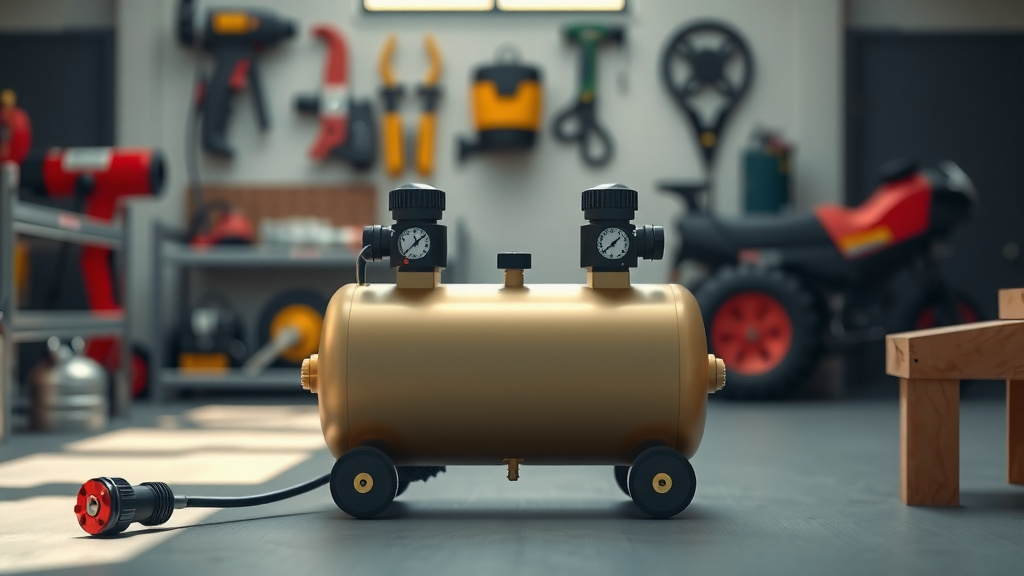
Your air compressor might not be working due to a power supply issue, a tripped circuit breaker, or a faulty pressure switch failing to engage the motor.
Often, the culprit is something simple like an air leak, a clogged filter, or a stuck drain valve preventing proper pressure buildup.
Here’s a quick rundown if your air compressor won’t start:
- Check your power source and circuit breaker first.
- Listen for air leaks or unusual noises.
- Inspect the pressure switch for proper function.
- Ensure the tank’s drain valve is closed.
- A motor issue or a clogged intake filter could also be to blame.
Why Isn’t My Air Compressor Working?
When your air compressor won’t fire up, it’s definitely frustrating, right? The good news is that many common issues are straightforward to diagnose and fix yourself. We found that most problems stem from either electrical hiccups or pressure system blockages.
Starting with the Power: Electrical Problems
Electricity is the lifeblood of your compressor. If there’s no power, there’s no air. You need to confirm the unit is getting the juice it needs before looking elsewhere. Many experts say this is the very first step in any troubleshooting guide.
Power Supply Issues
Is your compressor plugged in securely? It sounds obvious, but a loose plug or a dead outlet can easily be overlooked. Sometimes, the power cord itself might be damaged, preventing any power from reaching the motor.
Tripped Circuit Breakers
Air compressors often draw a lot of power, especially when starting up. If it suddenly stopped working, you should check your electrical panel. A tripped breaker means the circuit overloaded, shutting off power to protect your system.
Faulty Motor or Capacitor
If you hear a hum but no action, your motor might be struggling. A bad starting capacitor often causes this, preventing the motor from getting the initial push it needs. We found that motor issues can be complex and sometimes require professional help (Consumer Reports).
Pressure-Related Roadblocks
Your compressor builds up air pressure. If anything interferes with this process, it simply won’t run or build pressure correctly. Think of it like a bicycle pump with a hole in the hose; it just won’t inflate the tire.
Pressure Switch Troubles
The pressure switch is the brain, telling the motor when to start and stop based on tank pressure. If it’s faulty, it might not “tell” the motor to turn on at all. Sometimes, it gets stuck or has dirty electrical contacts.
Leaks in the System
Even small leaks can prevent your compressor from reaching the pressure needed to trigger the motor’s restart cycle. Check hose connections, tank welds, and any relief valves. You can often hear a hiss or use soapy water to find elusive leaks.
Check Valve Blockages
The check valve is a one-way gate, keeping air in the tank. If it’s stuck open, air can leak back into the pump, preventing pressure buildup. If it’s stuck closed, no air can get into the tank. Many experts point to the check valve as a common pressure problem source.
Mechanical Malfunctions
Beyond electrical and pressure systems, the physical components of the compressor itself can fail. These often involve wear and tear over time.
Pump Issues
The pump is what compresses the air. If the piston rings are worn, valves are damaged, or the cylinders are scored, the pump won’t build pressure effectively. This can make the motor run constantly without achieving proper pressure.
Belt or Coupling Problems
Many compressors use a belt or a direct coupling to connect the motor to the pump. If a belt is broken, loose, or slipping, the motor will run, but the pump won’t turn. Similarly, a damaged coupling means no power transfer to the pump.
Clogged Air Filters
Just like your car needs a clean air filter, your compressor does too. A clogged intake filter starves the pump of air, making it work harder and potentially restricting its ability to build pressure. It’s a simple fix that’s often overlooked.
Overheating Can Shut You Down
Air compressors generate a lot of heat. Most units have thermal overload protection that will shut down the motor if it gets too hot. This can happen due to poor ventilation, running too long, or low oil levels. Allowing it to cool often lets you restart.
Drain Valve Traps
Did you forget to close the drain valve after emptying condensation? It happens more often than you think! An open drain valve means all the air you’re trying to compress is just escaping, so your tank never builds pressure. Close it up, and you might be back in business.
Quick Troubleshooting Steps
When your compressor won’t start, a systematic approach can save you time. Here’s a quick table to guide your initial checks.
| Problem Area | What to Check | Simple Fix |
|---|---|---|
| No Power | Plug, outlet, breaker, power cord | Reconnect, reset breaker, replace cord |
| Motor Hums, No Start | Motor capacitor, pressure switch | Replace capacitor, clean/adjust switch |
| Runs Constantly, No Pressure | Leaks, check valve, pump issues, drain valve | Find leaks, replace valve, close drain |
| Shuts Down Unexpectedly | Overheating, low oil, motor overload | Cool down, add oil, ensure ventilation |
Your Compressor’s Health Check
To help you quickly scan for common issues, here’s a simple checklist:
- Is the power cord securely plugged in?
- Has the circuit breaker tripped?
- Is the pressure switch set correctly and functioning?
- Are all air connections tight and free of leaks?
- Is the tank’s drain valve fully closed?
- Is the air intake filter clean and clear?
Conclusion
When your air compressor stops working, don’t panic! Most issues, as we’ve seen, are often resolved with a few simple checks. Start with the basics: power, pressure, and visible components. By systematically going through these common problems, you’re likely to diagnose the fault quickly and get your trusty machine back to work. Remember, a little investigation goes a long way, and you’re fully capable of tackling many of these fixes yourself!
What should I do if my air compressor motor hums but doesn’t start?
If your air compressor motor hums but fails to start, it often indicates a problem with the starting capacitor or a jammed pump. Try turning the compressor off, disconnecting power, and then manually rotating the pump flywheel a quarter turn to see if it frees up. If not, a faulty capacitor is a likely culprit that may need replacing.
How can I find air leaks in my compressor system?
To find air leaks, mix some dish soap with water to create a sudsy solution. With the compressor pressurized and running, spray or brush this solution onto all connections, hoses, and valves. Bubbles will form at the point of any air leak, showing you exactly where the problem is. This simple trick is very effective.
Is it normal for my air compressor to trip the circuit breaker frequently?
Frequent circuit breaker trips are not normal and signal an underlying problem. It could be that the circuit you’re using isn’t rated for the compressor’s power draw, or the compressor itself is experiencing a motor overload, a short, or a faulty pressure switch. You should investigate to avoid potential electrical hazards or damage to the unit.
Why does my air compressor run constantly but not build full pressure?
If your air compressor runs without reaching full pressure, common causes include significant air leaks in the tank or lines, a check valve that’s stuck open, or worn-out pump components like piston rings or valve plates. The compressor is working, but the air is escaping or not being compressed efficiently.
How often should I drain the condensation from my air compressor tank?
Many experts recommend draining condensation from your air compressor tank daily, especially if you use it regularly. Moisture buildup can lead to rust and corrosion inside the tank, weakening it over time and potentially contaminating your compressed air. It’s a quick, easy maintenance step that prolongs your compressor’s life.
