
Can I Use Air Tool Oil In My Compressor?
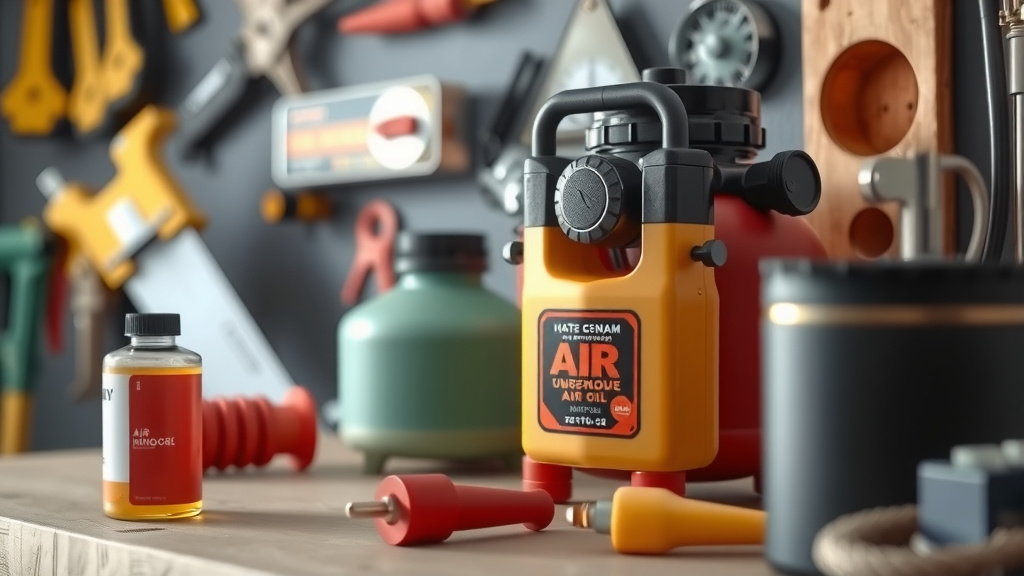
No, you absolutely cannot use air tool oil in your compressor.
Using air tool oil in your air compressor can cause serious damage, reduce efficiency, and void your warranty because these oils have different compositions and purposes.
- Air tool oil is for lubricating the moving parts inside air-powered tools, not for the compressor itself.
- Compressor oil is specifically formulated to handle the high heat and pressure within a compressor pump.
- Using the wrong oil will lead to overheating, premature wear, and expensive repairs for your compressor.
- Always refer to your compressor’s owner’s manual for the correct oil type.
- The best practice is to keep air tool oil and compressor oil separate and use each for its intended purpose.
Can I Use Air Tool Oil In My Compressor?
You might be wondering if that handy bottle of air tool oil can do double duty for your air compressor. The straightforward answer is a firm “no.” These two types of oil are designed for very different jobs inside your equipment.
Using air tool oil in your compressor is a common mistake that can lead to significant problems. Let’s break down why and how to keep your valuable equipment running smoothly.
Understanding Air Tool Oil: Its True Purpose
Think of air tool oil as a specialized lubricant for the internal mechanisms of your pneumatic tools. Its main job is to keep things like impact wrenches, grinders, and nail guns working efficiently. This oil is typically lighter and designed to atomize, or mist, into the airflow.
This mist then lubricates the vanes, bearings, and gears inside your tool. It helps prevent rust and reduces friction, which extends the life of your air tools. Without it, your tools would seize up much faster, wearing out quickly.
Why Air Tools Need Special Lubrication
Air tools operate by converting compressed air into mechanical motion. This process involves many small, fast-moving parts. These components need constant, light lubrication to perform their best. Air tool oil is formulated for this exact environment.
It’s often a lightweight, non-detergent oil that travels with the air. This ensures that every internal part gets a thin coat of protection. Many experts say this targeted lubrication is key for tool longevity (Popular Mechanics).
Compressor Oil: A Different Breed Entirely
Now, let’s talk about compressor oil. This is a completely different product with a different set of tasks. Your air compressor’s pump creates immense pressure and generates a lot of heat during operation. Compressor oil is engineered to handle these extreme conditions.
It typically has a higher viscosity, meaning it’s thicker. It also contains special additives that resist foaming, carbon buildup, and oxidation. These properties are critical for protecting the internal components of the compressor pump itself.
The Critical Role of Compressor Oil
Compressor oil lubricates the piston, crankshaft, and cylinders within the pump. It also helps to dissipate heat, preventing overheating and premature wear. Without the correct oil, the metal parts would grind against each other, leading to quick failure.
We found that compressor oil forms a vital seal around the piston rings. This seal maintains compression efficiency, ensuring your compressor builds pressure correctly. This makes the right oil a fundamental part of compressor health.
The Risks of Mixing Oils: What Could Go Wrong?
Pouring air tool oil into your compressor is like trying to fuel a diesel engine with gasoline. While both are liquids, they are not interchangeable and will cause problems. The consequences can range from minor annoyances to total compressor failure.
It’s always better to use the specific oil recommended by the manufacturer. This simple step can save you a lot of headaches and money down the road. We found that most compressor manufacturers are very clear about oil specifications.
Reduced Efficiency and Overheating
Air tool oil is too thin for a compressor pump. It won’t provide adequate lubrication to the moving parts. This lack of lubrication causes increased friction and generates excessive heat. You might notice your compressor running hotter than usual.
This added heat can degrade the oil even faster, creating a vicious cycle. Ultimately, it reduces your compressor’s ability to build and maintain pressure. Your machine will struggle to perform its job effectively, using more energy.
Component Damage and Wear
The inadequate lubrication from air tool oil means critical components will wear out faster. Pistons, rings, and cylinders will experience more friction and abrasive contact. This accelerates their degradation, leading to costly repairs.
Research often connects improper lubrication with premature compressor pump failure (compressor industry reports). Imagine running your car engine without the correct motor oil; the results would be catastrophic. The same applies here.
Voiding Your Compressor Warranty
Perhaps one of the most immediate financial risks is voiding your compressor’s warranty. Manufacturers specify the exact type of oil to be used. Deviating from these guidelines almost certainly cancels your coverage.
If your compressor breaks down due to incorrect oil, you will be responsible for the full repair cost. Always check your owner’s manual for recommended oil types. This simple check can protect your investment.
Key Differences Between Air Tool Oil and Compressor Oil
To summarize, the distinction between these oils is quite clear. Understanding these differences helps in making the right choice every time. It’s not just about lubrication, but also about the demands of the specific machine.
Here’s a quick look at how they stack up:
| Feature | Air Tool Oil | Compressor Oil |
|---|---|---|
| Viscosity | Lower (thinner) | Higher (thicker) |
| Purpose | Lubricates pneumatic tool mechanisms | Lubricates compressor pump, manages heat |
| Additives | Often minimal, anti-rust | Anti-foaming, anti-carbon, anti-oxidation |
| Heat Tolerance | Lower | Higher (designed for internal pump heat) |
Choosing the Right Oil for Your Compressor
The best way to protect your air compressor is to use the correct oil. This isn’t a place to cut corners or guess. Your compressor is a significant investment, and proper maintenance is key to its lifespan.
Most compressors are oil-lubricated. There are also oil-free models, which have different maintenance needs. We’re focusing here on the oil-lubricated versions, which require careful oil selection.
Always Check Your Owner’s Manual
This cannot be stressed enough: your compressor’s owner’s manual is your ultimate guide. It will clearly state the specific type and viscosity of oil required. Some manufacturers even produce their own branded compressor oils.
Many guidelines point to following manufacturer recommendations as a good first step (OSHA safety guidelines). This documentation provides the precise specifications, ensuring optimal performance and warranty validity. Don’t skip this critical step!
Synthetic vs. Mineral Compressor Oil
Once you know the viscosity, you might have a choice between synthetic and mineral-based compressor oils. Synthetic oils generally offer superior performance, especially in extreme temperatures.
They last longer and resist breakdown better than mineral oils. However, synthetic oils are often more expensive. Mineral oils are a good, budget-friendly option for general use. The best choice often depends on your compressor’s use frequency and environment.
Signs You’re Using the Wrong Oil
If you’ve mistakenly used the wrong oil, your compressor might start showing signs of distress. It’s important to recognize these signals early to prevent irreversible damage. Catching problems quickly can save you money.
Here are a few indicators to watch out for:
- Unusual Noises: Hear new knocking or grinding sounds?
- Overheating: The compressor feels much hotter to the touch than usual.
- Reduced Performance: Takes longer to build pressure or cycles more frequently.
- Visible Smoke or Odor: A burning smell or smoke coming from the pump.
- Excessive Oil Consumption: You’re refilling the oil more often than normal.
My Compressor Needs Oil Now – What Should I Do?
If you find yourself in a bind and need oil immediately, resist the urge to use air tool oil. Your best bet is to check local hardware or automotive stores for compressor-specific oil. Many stores carry common types.
If you absolutely cannot find the correct compressor oil and your situation is dire, a very temporary, emergency substitute *might* be non-detergent 30-weight motor oil. However, this is a last resort. You should replace it with proper compressor oil as soon as possible. We found that this is a common piece of advice in forums for emergency situations.
Conclusion
The distinction between air tool oil and compressor oil is not just a marketing gimmick; it’s a fundamental difference in chemistry and purpose. Using air tool oil in your compressor is a recipe for disaster. It will lead to damage, inefficiency, and likely void your warranty.
Always prioritize using the correct, manufacturer-recommended compressor oil. Taking the time to read your manual and invest in the right lubricant will ensure your air compressor remains a reliable workhorse for years to come. Your equipment, and your wallet, will thank you.
How often should I change my air compressor oil?
The frequency depends on your compressor’s usage and type. Generally, for piston compressors, change the oil every 3 months or after 200-300 hours of operation. If you use it rarely, change it at least once a year. Always check your owner’s manual for specific recommendations.
Can I use motor oil in my air compressor?
While some older or less demanding compressors might tolerate non-detergent motor oil (like 30-weight) as a temporary emergency measure, it’s generally not recommended. Motor oils contain detergents that can foam and cause carbon buildup in a compressor pump, which is detrimental over time. Compressor-specific oil is always the best choice.
What happens if I don’t oil my air tools?
If you don’t regularly oil your air tools, their internal moving parts will experience increased friction and wear. This leads to reduced performance, seizing, rust formation, and a significantly shortened lifespan for the tool. You’ll notice less power and eventual tool failure much sooner.
Is there a universal air compressor oil?
No, there isn’t a single “universal” air compressor oil that works for every model. Compressors have varying requirements based on their design, operating conditions, and the type of pump. Always consult your compressor’s owner’s manual to find the exact oil specifications, such as viscosity and type (synthetic or mineral).
Where do I add oil to my air compressor?
On most oil-lubricated compressors, you’ll find an oil fill port, often with a dipstick or a sight glass for checking the oil level. This port is usually located on the compressor pump itself. Refer to your compressor’s owner’s manual for the precise location and proper filling procedure, as it can vary slightly between models.
