
Can PEX Be Used For Air Compressor Line?
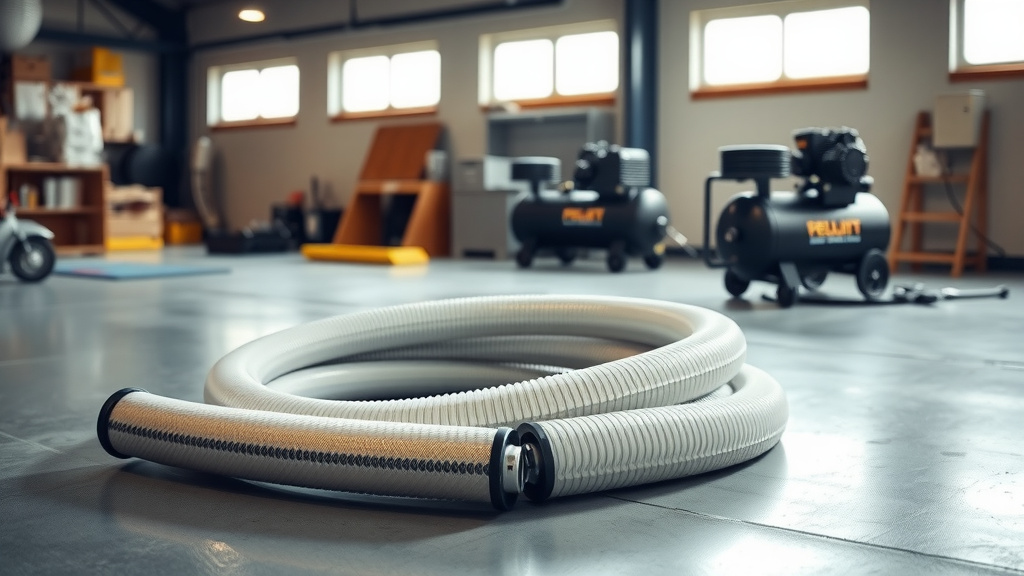
No, PEX piping is generally not suitable for air compressor lines. While it’s great for water, the unique demands of compressed air systems, including higher pressures and fluctuating temperatures, often exceed PEX’s safety ratings.
Using PEX for air compressor lines can pose significant safety risks and lead to system failure. It lacks the necessary pressure and temperature resistance for safe and reliable compressed air distribution.
TL;DR:
- PEX is not recommended for air compressor lines.
- Compressed air systems have higher pressure and temperature demands than PEX can safely handle.
- Risks include pipe bursting, rapid degradation, and potential injury.
- Stick to materials like copper, steel, or aluminum for safe and reliable air lines.
Can PEX Be Used For Air Compressor Line?
You might be wondering if PEX, that flexible plastic piping often used for plumbing, can handle the tough job of an air compressor line. The straightforward answer is no, it’s not a good idea.
PEX excels at moving water, but compressed air is a completely different beast. We found that the conditions inside an air line can easily push PEX beyond its safe limits. This isn’t just about efficiency; it’s about your safety and the longevity of your system.
Why You Might Consider PEX
It’s easy to see why PEX might seem appealing. It’s often cheaper than metal pipes, and its flexibility makes installation a breeze. You can bend it around corners without needing lots of fittings. For many home improvement projects, PEX is a fantastic choice.
However, when we talk about compressed air, those perceived benefits quickly turn into serious drawbacks. The characteristics that make PEX great for water are exactly what make it risky for air.
The Core Issue: Pressure and Temperature
Compressed air systems operate under much higher pressures than typical plumbing. They also generate a significant amount of heat. These two factors are where PEX simply can’t keep up. Many experts say that PEX is designed for water, not for the dynamic environment of compressed air.
Understanding Air Compressor Demands
Think about your air compressor. It’s constantly compressing air, which builds both pressure and heat. That hot, pressurized air then travels through your lines. Even small home compressors can create conditions that are too intense for PEX to safely contain.
PEX Limitations You Need to Know
PEX, or cross-linked polyethylene, has specific ratings for pressure and temperature. These ratings are usually given for water applications, which have very different properties than compressed air. It’s like bringing a spoon to a knife fight; it’s just not the right tool for the job.
Pressure Ratings: A Critical Difference
Most PEX is rated for pressures around 80-100 PSI (pounds per square inch) at specific temperatures for water. Air compressors, however, often operate at 125 PSI or even higher. Plus, the pressure inside an air line can surge, putting extra strain on the material. Research consistently shows that PEX isn’t built for these demands.
Here’s a quick comparison of typical pressure ratings:
| Material | Typical PSI (Water) | Air Compressor Suitability |
|---|---|---|
| PEX | 80-100 PSI | Not Recommended |
| Copper | High (varies by type) | Excellent |
| Black Iron/Steel | Very High | Excellent |
| Aluminum | High | Excellent |
Temperature Tolerance and Air Lines
The air leaving your compressor can be surprisingly hot, especially near the compressor itself. Temperatures can easily reach 150°F (65°C) or even higher. While PEX might handle these temperatures with water, it severely derates its pressure capacity when hot. This means a hot PEX pipe might burst at lower pressures than it would if cold.
The Hidden Dangers of Using PEX for Air
Beyond simply not working well, using PEX for air compressor lines introduces serious safety hazards. You could be putting yourself, your equipment, and anyone nearby at risk. It’s like trying to hold back a raging river with a garden hose; it’s just not going to end well.
Risk of Catastrophic Failure
When PEX fails under compressed air pressure, it doesn’t just leak. It can rupture violently. A bursting PEX pipe under high pressure can turn into a dangerous whip, flinging plastic shards and causing severe injury. We found that the energy stored in compressed air is substantial, making failures particularly hazardous (OSHA guidelines often highlight this).
Material Degradation Over Time
Compressed air systems often contain oil vapor from the compressor, especially piston-style units. PEX is not designed to withstand long-term exposure to these oils, which can cause the material to degrade, weaken, and become brittle. Over time, this degradation increases the risk of unexpected failure.
What Happens If You Use PEX Anyway?
If you were to use PEX, you would likely experience constant leaks as fittings fail or the pipe itself develops pinholes. The entire system would be unreliable, and you’d be continually patching or replacing sections. Worse, you’d live with the constant worry of a dangerous blowout. It’s a short-term “save” that could lead to long-term headaches and danger.
Recommended Materials for Air Compressor Lines
For compressed air applications, you need materials specifically designed for the job. These materials can withstand the high pressures, temperatures, and dynamic stresses of an air system. They offer both reliability and, most importantly, safety.
- Copper: Excellent for its corrosion resistance and ease of installation.
- Black Iron Pipe: A traditional, very strong, and durable choice, though prone to rust internally without proper treatment.
- Steel (Galvanized or Stainless): Offers great strength. Galvanized has a zinc coating for rust prevention.
- Aluminum Piping Systems: Modern, lightweight, easy to install, and corrosion-resistant. Many come in modular kits.
- Specialized Air Hose (Rubber or PVC with Reinforcement): Flexible solutions for drops or connections, but ensure they are rated for compressed air.
Copper Lines: The Gold Standard
Copper is a favorite for many air systems due to its durability, corrosion resistance, and relatively smooth interior, which minimizes pressure drop. It’s a reliable and proven option.
Steel Piping: Durability and Strength
Black iron or galvanized steel pipe offers immense strength and is a very common choice for industrial settings. Just be aware of internal rust with black iron, which can contaminate air, and choose galvanized for better resistance.
Aluminum Piping Systems: Modern and Efficient
Modern aluminum piping systems are gaining popularity. They’re lightweight, easy to assemble with push-to-connect fittings, and highly resistant to corrosion. They offer a great balance of performance and ease of use.
Making the Right Choice: A Quick Checklist
When selecting your air line material, keep these points in mind:
- Is the material rated for your compressor’s maximum PSI?
- Can it withstand the maximum air temperature, especially near the compressor?
- Is it resistant to oil and moisture often found in compressed air?
- How easy is it to install, and are reliable fittings available?
- Does it meet all local safety codes and regulations?
Conclusion
While PEX might seem like a convenient and cost-effective option, it’s simply not designed for the rigorous demands of an air compressor system. The risks of using PEX for air lines – from dangerous blowouts to material degradation – far outweigh any perceived benefits. Prioritize safety and reliability by choosing materials like copper, steel, or aluminum that are specifically engineered for compressed air applications. Making the right choice upfront will ensure your air system operates safely and efficiently for years to come, giving you peace of mind and preventing costly repairs.
What is the maximum pressure PEX can handle?
PEX tubing is typically rated for around 80-100 PSI (pounds per square inch) for water applications at room temperature. Its pressure capacity significantly decreases as the temperature of the fluid increases, making it unsuitable for the hot, high-pressure air from a compressor.
Can PEX withstand the heat from an air compressor?
No, PEX cannot reliably withstand the heat from an air compressor. Compressed air exiting a compressor can reach temperatures of 150°F or more, which drastically reduces PEX’s already limited pressure rating, increasing the risk of failure.
Are there any plastic pipes safe for compressed air?
Yes, some specialized plastic piping systems are designed for compressed air. These are usually engineered plastics (like certain types of nylon or PVC) with higher pressure and temperature ratings and specific formulations to resist oils and degradation. Always confirm the specific product is rated for compressed air use by the manufacturer.
What happens if oil gets into a PEX air line?
If oil from an air compressor gets into a PEX line, it can cause the PEX material to degrade and weaken over time. PEX is not designed to be oil-resistant, and this degradation can lead to brittleness, cracks, leaks, and eventually catastrophic pipe failure.
Is it cheaper to use PEX for air lines instead of metal?
While the initial material cost of PEX might be lower than some metal options, it is not cheaper in the long run when used for air lines due to the high risk of failure, potential damage, and serious safety hazards. Investing in proper, rated materials like copper or aluminum will save you money and headaches.
