
Can You Drive With A Bad Air Compressor?
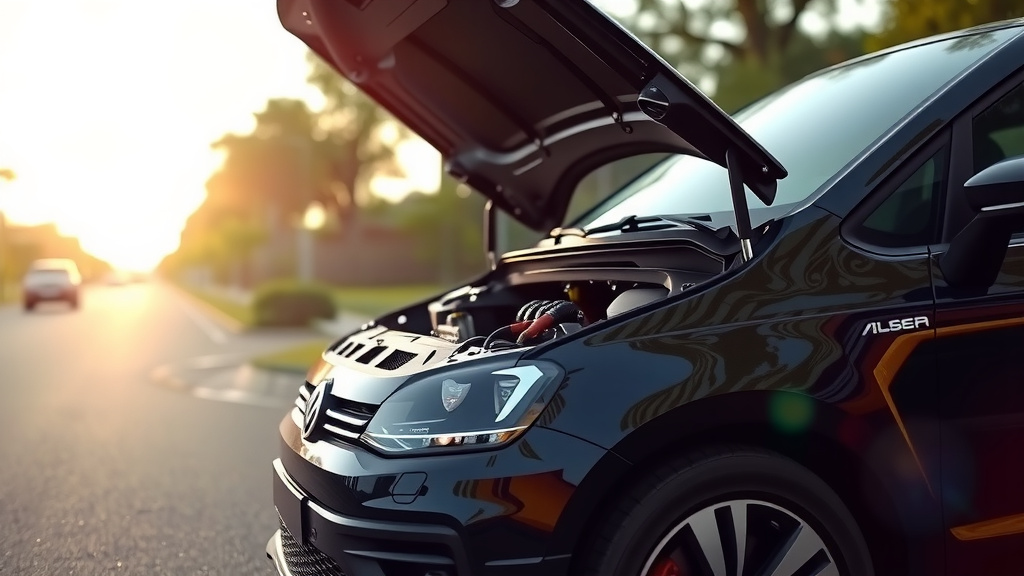
You can drive with a bad air compressor, but it’s generally not a good idea for very long. Depending on its specific function in your vehicle, a faulty air compressor can lead to serious safety issues or costly damage to other components.
Ignoring a bad air compressor, especially in systems like air suspension, could cause your vehicle to become unstable or damage vital parts over time. It’s always best to address the issue quickly to keep you safe and avoid bigger repair bills.
- A bad air compressor can cause significant safety issues, especially with air suspension.
- Driving with a faulty compressor might lead to instability, poor handling, and increased wear on other parts.
- You might notice loud noises, uneven vehicle height, or a dashboard warning light.
- Short-term, very careful driving might be possible, but it is risky and not recommended.
- Addressing the problem quickly prevents further damage and keeps your repair costs lower.
Can You Drive With A Bad Air Compressor?
The short answer is yes, you can drive, but it often comes with significant risks. Think of your air compressor as the heart of systems like your air conditioning or air suspension. When it struggles, the whole body feels it.
Ignoring these warnings could turn a small problem into a really big, expensive headache. We found that delaying repairs can often lead to more complex system failures (National Highway Traffic Safety Administration).
Understanding Your Air Compressor’s Role
Your vehicle might have more than one air compressor. For instance, your air conditioning system uses one to cool the cabin. Another type handles your air suspension for a smooth ride.
Each compressor serves a very distinct and important job. Knowing which one is failing helps you understand the immediate risks you face.
What an Air Compressor Does
An AC compressor circulates refrigerant, making your car cool inside. It’s a key part of your comfort system. Without it, you’re just blowing hot air.
Air suspension compressors, meanwhile, pump air into airbags. These airbags then support your vehicle’s weight and adjust its height. This provides a wonderfully smooth and controlled driving experience.
Signs of a Struggling Air Compressor
How do you even know if your air compressor is giving up? Your car often sends out some clear signals. Pay attention to these little hints; they could save you a lot of trouble.
Catching these signs early means you can deal with the problem before it gets out of hand. Think of it as your car whispering for help.
Common Warning Signals
For your AC, a common sign is warm air from the vents. If you crank the AC but only feel lukewarm air, your compressor might be failing. Another sign is a lack of any air at all.
With air suspension, you might notice your vehicle sagging on one side. Or perhaps it sits much lower than usual. A warning light on your dashboard is also a big clue.
Strange Noises and Leaks
Listen closely to your car. A failing AC compressor might make a loud whining or grinding noise when running. This is usually not a good sound.
For air suspension, you might hear a constant humming or hissing. This could point to a compressor working too hard, or an air leak in the system. Visible fluid leaks under the car are another obvious sign.
The Dangers of Driving with a Faulty Compressor
Driving with a bad compressor isn’t just uncomfortable; it can be downright risky. Your safety on the road is always the top concern. Think about what your vehicle is trying to tell you.
Many experts say addressing these issues quickly is a smart move. It protects both you and your vehicle from further harm (Automotive Service Association).
Safety Hazards You Face
If your air suspension compressor fails, your car’s handling changes dramatically. You might experience a rough, bouncy ride. Steering can become difficult and unpredictable.
Imagine trying to stop or swerve quickly with a car that’s uneven or unstable. This could seriously affect your ability to control the vehicle. This is especially true at higher speeds.
System Damage and Costly Repairs
A bad compressor can also harm other parts of your car. For example, a struggling AC compressor can strain your engine belt. This leads to more wear on your engine.
With air suspension, continuous driving with a failed compressor puts stress on your tires and other suspension components. This can lead to rapid tire wear or even structural damage.
Here’s a quick look at how ignoring the problem can escalate:
| Problem Type | Initial Impact | Risk of Continued Driving |
|---|---|---|
| AC Compressor Failure | No cold air, uncomfortable cabin | Engine strain, belt wear, potential overheating |
| Air Suspension Compressor Failure | Uneven ride height, stiff handling | Poor stability, tire wear, damage to shocks/struts |
What Happens When Your Air Suspension Fails?
If your air suspension compressor completely gives out, you’ll feel it immediately. The car might bottom out or ride very low. It’s a very noticeable change to your driving experience.
Here are some things you might experience:
- Your car will likely sag significantly, often on one side or both.
- The ride will become extremely harsh and bumpy, feeling every single road imperfection.
- You’ll notice poor steering response, making the car hard to control.
- Stopping distances might increase unexpectedly due to compromised handling.
- There’s a risk of damage to the undercarriage if your car sits too low.
When Is It Okay to Drive (Short Distances)?
Sometimes, you might have no other option. If you must drive with a bad air compressor, keep it to very short trips. This means going straight to a repair shop, not taking a road trip.
Drive very slowly and avoid bumps or sudden turns. This minimizes further damage. Still, it’s always best to get it towed if possible.
Temporary Solutions and Quick Fixes
There are no real “quick fixes” for a failing compressor. However, you can take some precautions for a very limited drive. These steps are for emergencies only.
Remember, these are not permanent solutions. They simply reduce immediate risks until you can get proper repair.
- Drive slowly: Reduce speed to minimize stress on the suspension.
- Avoid potholes: Steer clear of rough roads and bumps.
- Lighten the load: Remove any unnecessary heavy items from your vehicle.
- Check tire pressure: Ensure tires are properly inflated for optimal contact.
- Turn off AC: If it’s the AC compressor, turn it off to prevent further strain.
- Emergency contact: Have roadside assistance info ready, just in case.
Prevention is Your Best Friend
The best way to avoid these problems is through regular maintenance. Taking care of your car’s systems prevents them from failing unexpectedly. It also saves you money in the long run.
Treat your car well, and it will treat you well in return. A little proactive care goes a long way.
Regular Maintenance Tips
Have your air conditioning system checked periodically, especially before summer. Technicians can check refrigerant levels and compressor function. This helps catch minor issues before they worsen.
For air suspension, regular inspections are also key. Look for signs of leaks in air lines or worn components. Many manufacturers suggest checking these systems during routine service appointments (SAE International).
Conclusion
Driving with a bad air compressor, whether for your AC or air suspension, is generally not a wise choice. While short, careful drives might be possible in a pinch, you’re rolling the dice with your safety and your wallet. The potential for further damage and dangerous driving conditions is too great to ignore.
Listening to your car and acting quickly on warning signs will protect you and keep your vehicle running smoothly. Don’t put off repairs. Get your air compressor checked and fixed promptly to ensure a safe and comfortable ride.
How much does it cost to replace an air compressor in a car?
The cost to replace an air compressor varies widely depending on the type (AC vs. suspension), your vehicle’s make and model, and labor rates. We found that prices often range from $500 to $1,500 or more, including parts and installation. Specialty shops might charge differently.
Can a bad air compressor affect other car components?
Yes, absolutely. A failing air compressor can put a strain on your engine, especially the serpentine belt. For air suspension, a bad compressor can cause uneven tire wear, damage to shocks and struts, and even affect your braking performance. It’s not an isolated problem.
Is it safer to get a car with air suspension towed if the compressor fails?
If your air suspension compressor fails and your vehicle is significantly sagging or unstable, it is much safer to have it towed. Driving it in this condition can be dangerous, risk damaging more components, and might even be illegal if the ride height is too low for safe operation.
How long does an air compressor typically last?
The lifespan of an air compressor varies. AC compressors typically last about 100,000 to 150,000 miles, or 10-15 years, with proper maintenance. Air suspension compressors can also last for many years, but are often subject to more stress and can sometimes fail sooner due to leaks or overuse.
Can I still use my AC if the compressor is making noise but still blowing cold?
If your AC compressor is making unusual noises but still blowing cold air, it’s often a sign of impending failure. You can continue to use it, but it’s a good idea to have it inspected soon. Catching the problem early might save you from a complete breakdown and possibly higher repair costs.
