
Can You Use a Battery Jump Starter to Power an Air Compressor?
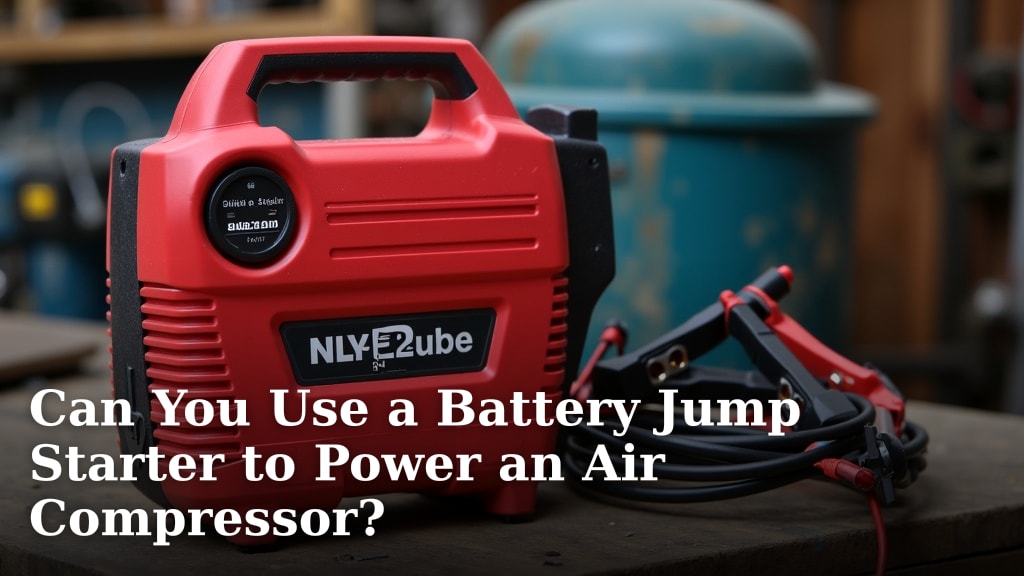
Yes, you can often use a battery jump starter to power a portable air compressor, especially if your compressor has a 12-volt DC plug like those for car tires. Many jump starters provide enough power to get these types of compressors running, making them a handy tool for emergencies or situations far from a power outlet. Just be sure to check the power requirements of your specific compressor and the output capabilities of your jump starter.
This setup is a clever solution for inflating tires on the go. We found that many modern jump starters have USB ports and AC outlets too, which might also work depending on your air compressor’s plug type. It’s all about matching the power source to the power needs of the device you want to use.
- Yes, many jump starters can power portable air compressors.
- Look for 12-volt DC compatibility between your jump starter and compressor.
- Always check the power ratings of both devices first.
- This is a great way to inflate tires away from an outlet.
Let’s get into the details about how to make this work safely and effectively for you.
Powering Your Air Compressor with a Jump Starter
So, you’re wondering if that handy jump starter unit sitting in your garage can actually power your portable air compressor. It’s a question many car owners ask, especially when they’re away from a wall outlet and need to inflate a tire, a pool float, or something else. The short answer is often yes, but there are some important things you need to know to make sure it works safely and effectively for you.
We’ve looked into this, and it’s a clever workaround that can save you a lot of hassle. Think of it as giving your air compressor a temporary boost from a different kind of power source. It’s not magic, just a bit of understanding how these devices work. Let’s break down what you need to consider.
Understanding the Power Connection: Volts, Amps, and Watts
To figure out if your jump starter and air compressor are compatible, you need to understand their power requirements. It’s like making sure two puzzle pieces fit together. The main things to look at are voltage (V), amperage (A), and sometimes wattage (W).
Voltage: The Electrical “Push”
Voltage is the electrical pressure that drives the power. Most portable air compressors designed for vehicle use run on 12-volt DC power. This is the same voltage as your car’s battery system. Your jump starter, being designed to mimic a car battery, also typically outputs 12-volt DC power.
This 12-volt compatibility is the most critical factor. If your air compressor needs 12-volt DC and your jump starter provides 12-volt DC, you’re likely in good shape. Always check the label or manual for both devices to confirm their voltage ratings.
Amperage: The Electrical “Flow”
Amperage, or current, is the amount of electrical energy flowing. Air compressors, especially those used for tires, can draw a fair amount of amperage when they kick on and run. You’ll often see ratings like 10 amps, 15 amps, or even higher.
Your jump starter needs to be able to supply enough amps to run the compressor without getting overloaded. Many jump starters list their peak amperage (for starting) and their continuous amperage (for running). You want to make sure the compressor’s draw is within the continuous amperage rating of the jump starter.
Wattage: The Total Power Output
Wattage is the product of voltage and amperage (Watts = Volts x Amps). Some devices, especially those with AC outlets, might list their power needs in watts. This gives you a single number to compare.
If your air compressor has a power adapter that plugs into a standard wall outlet (AC power), you’ll need a jump starter with a built-in AC inverter. These units convert the jump starter’s DC battery power into AC power. You’ll need to ensure the wattage output of the jump starter’s inverter is higher than the wattage requirement of your air compressor.
Types of Jump Starters and Air Compressors: What Works Best?
Not all jump starters and air compressors are created equal. The combination that works best depends on the specific features of each device.
Jump Starter Features to Look For
Modern jump starters are more than just jumper cables. Many come with:
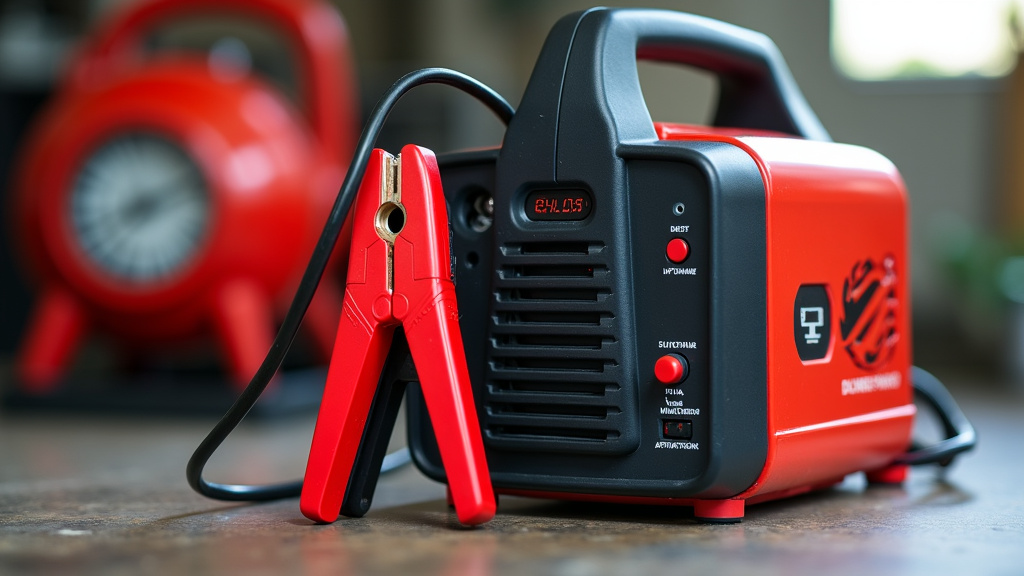
- 12V DC Output Ports: These are often cigarette lighter-style sockets. This is the most direct way to power a 12V DC air compressor.
- USB Ports: Great for charging phones, but usually not powerful enough for an air compressor.
- AC Inverter Outlets: These look like regular wall outlets and can power AC devices. You’d need this for compressors that plug into the wall.
- High Amperage Ratings: Look for jump starters with 1000 amps or more for better performance.
Air Compressor Types and Their Power Needs
Portable air compressors usually fall into two main categories:
- 12V DC Plug-In Compressors: These are the most common for car tires. They plug directly into your car’s cigarette lighter port. This is the ideal type to use with a jump starter’s 12V DC output.
- AC Powered Compressors: These plug into a standard wall outlet. To use one with a jump starter, you absolutely need a jump starter with a built-in AC inverter that can supply enough watts.
How to Safely Connect and Use Your Jump Starter with an Air Compressor
Safety is always the number one priority. Following these steps will help ensure a smooth and safe connection.
Step-by-Step Connection Guide
- Read the Manuals: Seriously, check the user manuals for both your jump starter and your air compressor. They contain vital information about power requirements and safe operation.
- Check Power Ratings: Compare the voltage and amperage requirements of your air compressor with the output capabilities of your jump starter. Make sure they match and that the jump starter can handle the load.
- Ensure the Jump Starter is Charged: A jump starter that’s nearly dead won’t have enough power to run anything. Make sure it’s fully charged before you start.
- Connect the Compressor’s Plug:
- For 12V DC Compressors: Plug the compressor’s 12V DC cord directly into the 12V DC output port on your jump starter.
- For AC Compressors: Plug the compressor’s AC power cord into the AC outlet on your jump starter (if it has one).
- Turn on the Jump Starter: Most jump starters have an on/off switch or button. Follow the manufacturer’s instructions.
- Turn on the Air Compressor: Once everything is connected and the jump starter is active, turn on your air compressor.
- Monitor Performance: Listen to the compressor. If it sounds strained or the jump starter’s lights indicate an overload, turn it off immediately.
- Disconnect Safely: When you’re finished, turn off the air compressor first, then disconnect its plug from the jump starter. Finally, turn off the jump starter.
Important Safety Precautions to Keep in Mind
Using a jump starter with an air compressor is generally safe if done correctly. However, there are a few things to watch out for:
- Overheating: Running an air compressor can generate heat. Ensure there’s good ventilation around both devices. Don’t run the compressor for extremely long periods without breaks.
- Low Jump Starter Battery: If the jump starter’s battery level is low, it might not power the compressor effectively or could shut down unexpectedly.
- Surge Protection: Some jump starters have built-in surge protection. This is good to have, as air compressors can have an initial power surge when they start up.
- Don’t Jump Start a Car and Run the Compressor Simultaneously: While some jump starters have multiple outputs, it’s best to focus on one task at a time to avoid overloading.
- Check Cables and Connectors: Ensure all cords and plugs are in good condition. Frayed wires or damaged connectors can be a fire hazard.
When This Setup Might Not Work
While it’s often possible, there are scenarios where using a jump starter with an air compressor might not be the best option or simply won’t work.
Incompatible Power Requirements
If your air compressor requires more power than your jump starter can provide, it won’t work. For example, a high-powered shop compressor would likely be too much for a typical portable jump starter.
Research suggests that most portable tire inflators draw between 8-15 amps. A jump starter rated for at least 15-20 amps of continuous output should be sufficient for these. But if your compressor needs 20 amps or more, you might need a more robust power solution (DIY Vehicle Power Association).
Jump Starter Limitations
Some smaller, budget jump starters might have lower amperage ratings or less robust inverters. They might be fine for starting a car but struggle to keep a compressor running, especially when it’s under load.
Also, if your jump starter only has USB ports, it’s not going to power any standard air compressor. USB power is designed for low-drain electronics like phones and tablets, not high-draw appliances.
Making the Most of Your Portable Power Solution
Using a jump starter to power an air compressor is a fantastic emergency tool. It’s about being prepared and knowing what gear you have can do.
Maximizing Efficiency and Longevity
To get the best performance:
- Keep your jump starter charged and ready to go.
- Don’t overwork your air compressor or the jump starter. Give them breaks if you’re doing a long job.
- Inspect your equipment regularly for any signs of wear or damage.
- Use the right tools for the job. If you frequently need to run a high-power compressor, consider a dedicated power source.
This setup can be a real lifesaver. It’s a practical way to use the tools you already own for unexpected situations, giving you a bit more independence from traditional power sources.
Quick Checklist Before You Connect
To ensure a smooth operation, run through this quick checklist:
- Is your jump starter fully charged?
- Does your compressor need 12V DC or AC power?
- Does your jump starter have the correct output (12V DC port or AC outlet)?
- Are the voltage and amperage ratings compatible?
- Are all cords and plugs in good condition?
- Have you read both manuals?
Conclusion
You’ve learned that using your battery jump starter to power a portable air compressor is a very viable option. It’s all about matching the 12-volt DC requirements of your compressor with the output capabilities of your jump starter. Remember to always check the power ratings of both devices before you connect them. This clever combination can be a real lifesaver for inflating tires or other items when you’re away from a wall outlet.
Before your next trip or unexpected need, take a moment to verify your equipment and ensure you have the right setup. Keep your jump starter charged and ready, and you’ll be prepared for many situations.
Frequently Asked Questions
Can any jump starter power any air compressor?
No, not all jump starters can power all air compressors. You must check that your compressor specifically requires 12-volt DC power and that your jump starter can provide sufficient amperage. Compressors needing AC power will only work with jump starters that have a built-in inverter.
What happens if my jump starter doesn’t have enough power?
If your jump starter can’t provide enough power, your air compressor likely won’t start or will run very weakly. You might also see an overload warning light on the jump starter. It’s best to stop immediately to prevent damaging either device.
How long can I run an air compressor from a jump starter?
The run time depends on the capacity of your jump starter and the power draw of your air compressor. For typical tire inflators, a good jump starter might run it for 15-30 minutes. We recommend checking your jump starter’s manual for its expected output duration.
Is it safe to use a jump starter with an AC air compressor?
Yes, it can be safe if your jump starter has a built-in AC inverter and its wattage output is higher than your compressor’s requirement. Always ensure the connections are secure and the jump starter is placed in a well-ventilated area.
Can I use a jump starter that only has USB ports for an air compressor?
No, you generally cannot use a jump starter that only has USB ports to power an air compressor. USB ports provide very low power, typically only enough for small electronics like phones. Air compressors require much more power than USB can deliver.
